Traveling with Kids on New York City Public Transit: A Parent's Guide
# Traveling with Kids on New York City Public Transit: A Comprehensive Parent's Guide
Navigating New York City with kids can feel daunting, but the city's extensive public transit system, operated by the MTA, offers a convenient and affordable way to explore. With a base fare of $3.00, using the OMNY payment system, parents will find the subway and buses both cost-effective and efficient. This guide provides essential tips and information for parents traveling with children, from the best routes to kid-friendly attractions. Whether you’re headed to the Metropolitan Museum of Art or enjoying the lush green spaces of Central Park, we have you covered.
Before you go, check current schedules and any planned work on the MTA’s official site or via service alerts.
---
Best Subway Lines for Family-Friendly Attractions
When traveling with kids, it’s important to plan your trip around attractions that will hold their interest. Some subway lines offer direct routes to popular family destinations, making your journey smoother and more enjoyable. Choosing the best subway lines for family-friendly attractions can cut down on transfers, walking distance, and time spent in crowded stations.
Think about three things when picking a line:
- How close the station is to your destination
- Whether you can make easy transfers
- How accessible the station is if you have a stroller
Build in extra time between attractions so kids can rest, snack, or enjoy an unplanned stop like a playground near a station.
---
7 Line: Easy Access to Times Square, Grand Central, and Midtown
The 7 Line is an excellent choice for families looking to explore some of New York City's most iconic sites in Midtown Manhattan.
Why the 7 Line Works Well for Families
- Major Stops: Times Square, Grand Central Terminal
- Kid-Friendly Attractions Nearby:
- Short walks to the Empire State Building from Midtown
- Indoor attractions, shops, and kid-friendly restaurants around both hubs
The 7 Line connects two of the city’s busiest transit hubs, which makes it easier to reach many neighborhoods without complicated routing. From Grand Central, you can walk to landmarks, or transfer to other subway lines to continue exploring. From Times Square, you have access to several other lines in one complex.
If your kids are sensitive to noise, bring child-sized headphones. Trains on the 7 Line can get loud in tunnels, especially near major hubs.
Transfers from the 7 Line to Reach More Attractions
At Times Square, you can connect to several lines that open up more family stops:
- Broad connections: N, Q, R, W, 1, 2, 3, and others within the Times Square complex
- To Central Park: Transfer at Times Square to a northbound line that stops near Central Park
- To the Empire State Building: Use Times Square or Grand Central as a starting point and follow station signs and street directions to the Empire State Building area
Follow station signage carefully; large hubs can feel overwhelming with kids. Hold hands, use a meeting point in case you get separated, and avoid changing platforms more than you need to.
---
A Line: Convenient Route for Historic and Scenic Landmarks
The A Line offers a convenient way to reach some of the city's most historical and picturesque areas, especially if you plan to visit lower Manhattan and nearby waterfronts.
A Line Access to Bridges and Downtown Views
- Major Stops: Brooklyn Bridge area, connections to downtown
- Kid-Friendly Attractions:
- Exploring nearby parks and waterfront areas
- Viewing historic architecture in lower Manhattan
The A Line is useful when you want to reach neighborhoods near the Brooklyn Bridge and other downtown highlights. Once downtown, you can walk to viewing spots or connect to other lines that serve lower Manhattan.
Start bridge walks early in the day. Sidewalks get crowded later, which can be stressful with young children or strollers.
Reaching the Statue of Liberty and One World Area
While no subway station is directly inside the Statue of Liberty site, you can use the A Line and connecting lines to reach lower Manhattan, where ferries depart for the Statue of Liberty and Ellis Island. From there, follow signs to the ferry area.
Nearby, you can also plan a visit to One World Observatory in the downtown district:
- Use downtown stations as a base to walk toward One World Observatory
- Combine a short walk, a ferry ride, and an observatory visit into a full-day downtown itinerary
Check official ferry websites and the MTA site before you go. Coordinate your subway trip with reserved ferry times to avoid long waits with kids.
---
Subway Access to Central Park and the Metropolitan Museum of Art
Central Park and the Metropolitan Museum of Art are two of the most family-friendly destinations in the city, and they are well-served by multiple subway lines.
Planning a Central Park Day by Subway
Central Park stretches across a large area, so choose a station near the part of the park you want to visit. Popular family activities include:- Playgrounds scattered throughout the park
- Open lawns for picnics and games
- Lakes, walking paths, and seasonal activities
Because the park is long and wide, it helps to pick one section per outing. Use a map to match your subway stop to the closest entrance, so you avoid long walks with tired kids.
Plan your route so you enter near a playground. That gives kids an immediate reward after the subway ride.
Visiting the Metropolitan Museum of Art with Kids
The Metropolitan Museum of Art offers family programs, kid-friendly galleries, and large open spaces where children can move around while learning. When planning your subway trip:
- Choose a station that keeps your walk to the museum manageable
- Check the museum’s website for family guides or scavenger hunts
- Plan a break in nearby Central Park before or after your visit
Inside the museum, take frequent breaks, and follow your child’s interests. Shorter visits with focused stops often work better than trying to see everything at once.
---
Grand Central Terminal and Midtown: Easy Family Hubs
Grand Central Terminal is more than a transit hub; it is also a destination that many kids enjoy.What Families Can Do Around Grand Central
- Admire the main hall’s ceiling and architecture
- Explore nearby food options for a quick meal
- Use it as a starting point to walk or transfer to other lines
Because Grand Central connects to the 7 Line and other services, it works well as a “home base” for your day. You can arrive there, take a break, and then ride out to other neighborhoods without leaving the building.
Use Grand Central’s indoor spaces as a weather backup. It’s a good place to regroup if it’s too hot, cold, or rainy outside.
Reaching the Empire State Building from Midtown
The Empire State Building is a highlight for many families. From Midtown hubs like Times Square or Grand Central, you can:
- Follow street directions toward the building’s entrance
- Plan your visit for earlier in the day or later in the evening to avoid peak crowds
- Combine your visit with a nearby meal to keep kids energized
Observation decks can be exciting but also overwhelming. Prepare children for security lines and height, and keep them close in crowded viewing areas.
---
Bus Routes for a Scenic and Relaxed Journey
Buses in NYC offer a scenic view of the city and can be more relaxed than the subway, providing a great way to see the city's architecture and landmarks without going underground.
M1 and M2 Buses for Museum Mile and Central Park Views
These routes provide a pleasant journey through some of New York's most culturally rich areas and are especially helpful if your family prefers to stay above ground.
- Route Highlights: Pass by Central Park and the Metropolitan Museum of Art
- Benefits for Families:
- Seats for tired kids and adults
- Continuous views of parks and buildings
The fare remains the same at $3.00, payable via OMNY when you board. Buses can be slower than subways during heavy traffic, so allow extra time if you have timed tickets for attractions.
Sit on the right side of the bus for the best views of Central Park when traveling along the park’s edge.
When to Choose the Bus Over the Subway
Consider using buses instead of the subway when:
- Your child is nervous about tunnels or loud trains
- You want a sightseeing ride between attractions
- You are traveling a short distance along a major avenue
Check posted route maps or a transit app to confirm the bus direction before boarding. If you miss your stop, you can usually get off at the next one and walk back.
---
Payment Methods and Fares for Families
Understanding how to pay for transit will streamline your journey and avoid delays at busy stations and bus stops.
Paying with OMNY on Subways and Buses
OMNY is the MTA’s contactless fare payment system used across subways and buses.
- Payment Options: Tap any contactless bank card, smartphone, or wearable with an enabled payment app
- Where to Tap:
- On buses, tap the OMNY reader near the front door
- Fares: The base fare is $3.00; check current fares for any updates
OMNY charges one fare per tap, so each person who is not eligible to ride free needs a separate payment method, unless they qualify for specific fare rules.
Set up your OMNY account before your trip to track trips and payments in one place.
Children’s Fares and How Kids Ride Free
The MTA allows certain children to ride free with a fare-paying adult, based on height:
- Children under 44 inches tall can ride free with a paying adult, subject to MTA rules
- Taller children generally need their own paid fare
Always refer to the official fares page for detailed conditions, including limits on the number of children per adult and any changes to policy.
---
Practical Tips for Parents Using NYC Transit
Traveling with children requires extra planning. These practical tips will help ensure a smoother journey on both subways and buses.
Packing and Timing Your Transit Day
- Use a Compact Stroller: A lightweight, narrow stroller is easier to carry on stairs and maneuver through crowds
- Travel Off-Peak: Avoid rush hours (typically about 7–9 AM and 5–7 PM) for a more relaxed ride
- Pack Snacks and Entertainment: Bring small, non-messy snacks, water, and quiet toys or books
- Plan Bathroom Breaks: Many subway stations do not have public restrooms, so use facilities at attractions, parks, or restaurants
Give older kids a simple role, like watching for your station name, to keep them engaged and aware of the route.
Safety and Comfort on Platforms and Trains
- Hold Hands on Platforms: Keep children away from the platform edge and stand behind platform markings
- Board Together: Let adults step on first to make space, then help children and strollers
- Stay Informed: Check service alerts for any disruptions or major delays before you leave
- Use Elevators When Available: Where stations have elevators, they are safer and easier for strollers than escalators
If a train arrives very crowded, consider waiting for the next one, especially with a stroller or multiple children.
---
Using Real-Time Information and Transit Tools
Staying updated helps you avoid long waits and unexpected changes that can be tough on kids.
Apps, Maps, and Station Information
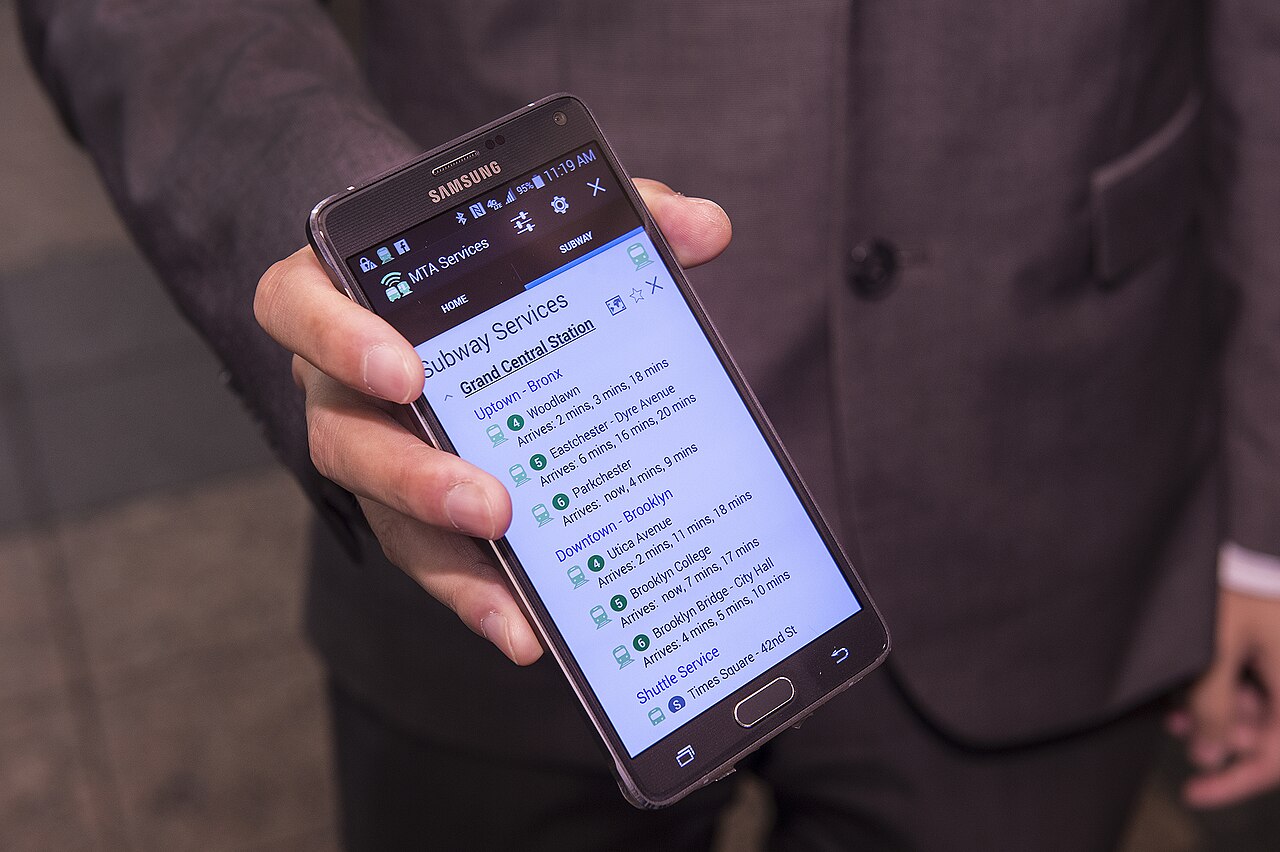
- Use a transit app or the MTA’s official tools for real-time arrival information
- Download or screenshot a subway map before you go underground
- Look for posted maps and signs in stations to confirm your direction
Show older kids the map and trace your route together. It turns the ride into a mini geography lesson.
If you are unsure about a transfer or exit, ask an MTA employee at a staffed station booth for help. Many large stations like Times Square and Grand Central Terminal have staff on duty.
---
Frequently Asked Questions About Family Transit in NYC
How can I find accessible stations for strollers?
The MTA provides a comprehensive list of accessible stations with elevators and ramps on its official website. Before your trip, check the relevant station pages or the MTA’s accessibility resources to confirm which stations on your route have elevators in service. Service changes can affect elevator availability, so review service alerts on the day you travel.
Are there discounts for children on MTA fares?
Children under 44 inches tall ride for free with a fare-paying adult, according to MTA policy. Taller children generally need their own fare. For full details, including any limits on the number of free-riding children per adult and information about other reduced-fare programs, visit the official fares and passes page before your trip.
What should I do if I lose something on the subway or bus?
If you lose an item on the subway or bus, contact the MTA’s Lost and Found service through their official website. You can submit a report with details about your item, the line you were on, and the date and time. If you need immediate help, speak with an MTA employee at a staffed station. Response times and procedures can vary, so check the MTA site for the most current instructions.
Can I bring a stroller on the subway and buses?
Yes, strollers are allowed on both subways and buses. For easier travel, use a compact, foldable stroller and be prepared to fold it if trains or buses are crowded. On platforms and vehicles, keep the stroller’s brakes on when stopped, and avoid blocking doors or aisles. When possible, travel outside peak hours to have more space and reduce stress for you and your child.
---
Conclusion: Best Subway Lines for Family-Friendly Attractions
Using the best subway lines for family-friendly attractions can turn New York City’s public transit into part of the adventure rather than just a way to get around. Lines that serve key hubs like Times Square, Grand Central Terminal, Central Park, the Metropolitan Museum of Art, and downtown landmarks make it easier to link multiple kid-friendly stops into one day.
Combine smart route planning, OMNY payment, off-peak travel, and a few simple safety habits, and your family can move confidently around the city. For more planning help, destination ideas, and up-to-date information, explore our Travel Tips Guide and always confirm current fares and alerts on the MTA’s official channels. With the right preparation, New York City’s transit system becomes a family-friendly gateway to unforgettable experiences.