New York City Transit Tips for First-Time Visitors
# Navigating the NYC Subway System
New York City is a bustling metropolis, and its subway system is an essential part of experiencing the city's vibrant energy. The Metropolitan Transportation Authority (MTA) operates a vast network of subway lines and buses, making it one of the most efficient ways to get around the city. Whether you're visiting iconic landmarks like Times Square or taking a leisurely stroll through Central Park, mastering the subway system is crucial for any visitor. This guide will provide you with practical insights and essential tips to navigate the NYC subway like a local, including how to use the OMNY payment system and explore major attractions.
---
Understanding the NYC Subway System
How Many Subway Lines and Stations Are There?
The New York City subway is one of the largest and most complex systems in the world, with 472 stations and 27 lines. It serves as the primary mode of transportation for millions of New Yorkers and visitors each day, connecting the Bronx, Brooklyn, Manhattan, and Queens. The subway operates 24/7, so you can rely on it whether you are catching a sunrise in Brooklyn or heading back from a late Broadway show.
Trains run more frequently during the daytime and rush hours, and less frequently late at night or on weekends. Service patterns can change for maintenance, especially on nights and weekends, so always check service alerts before you travel. Because of its size, the system can feel overwhelming at first, but once you learn a few basics—like how to identify lines by color and letter/number—you can move around the city quickly and efficiently.
Treat the subway like a grid. Learn a few key north–south and east–west lines, and you can navigate most of Manhattan with confidence.
How to Read Subway Maps and Signs
Understanding the map and station signs is the foundation of navigating the NYC subway system smoothly.
- Subway Maps: Familiarize yourself with the NYC subway map before your journey. The map highlights all lines, including major ones like the A/C/E that connect key destinations such as Times Square and Penn Station. Lines are color-coded by trunk (for example, the A/C/E are blue), but each train is identified by its letter or number, not the color alone.
- Local vs. Express: Pay attention to whether a train is local or express. Local trains stop at every station along the line, while express trains skip certain stops to reduce travel time. For example, the 2/3 lines offer express service along the 7th Avenue corridor in Manhattan, while the 1 train runs local.
- Direction Signs: In Manhattan, “uptown” generally means north and “downtown” means south. Signs on platforms and above staircases will say things like “Uptown & The Bronx” or “Downtown & Brooklyn.” Match these with your destination borough and direction.
Stations often have multiple entrances that serve different directions or lines. Always read the black-and-white signs at street level; they may say “Downtown only” or list specific trains.
If you’re unsure, step aside on the platform and quickly check the digital display or onboard announcements before the doors close. You can always get off at the next stop and switch directions.
---
How to Pay for Your Subway Ride
Transition to the OMNY System
The MTA has transitioned to the OMNY contactless payment system, replacing the MetroCard, which will be completely phased out by January 2026. OMNY allows you to pay for your ride using a contactless credit or debit card, or a mobile wallet on your smartphone or wearable device. You simply tap once on the OMNY reader at the turnstile and wait for the green checkmark.
- Base Fare: The base fare for a subway ride is $3.00.
- Per-Ride Charging: Each tap deducts a single ride. You do not need to pre-load value or buy a separate card if you already have a contactless payment method.
- Fare Caps: OMNY includes weekly fare capping. After 12 paid rides within a Monday–Sunday week, any additional subway or local bus rides you take with the same payment method are free for the rest of that week. This can significantly reduce your transportation costs if you're staying in the city for several days and riding often.
If you prefer not to use your personal bank card or phone, OMNY-compatible cards and options are available at many stations and retailers. Always check the MTA’s official information for current details.
Use the same card or device for every tap during your trip. Mixing cards or switching between phone and card will prevent the system from tracking your rides toward the weekly fare cap.
Where to Learn More About Fares and Discounts
For more detailed information on fares and passes, including any available discounts, reduced-fare programs, and unlimited ride options, visit the MTA’s official website. Policies can change, so rely on official sources rather than outdated blog posts or printed guides.
Key things to review before your trip:
- Current base fare and any recent fare changes.
- Eligibility for reduced fares (for example, seniors or people with qualifying disabilities).
- Rules for transfers between subway and bus.
- How OMNY fare capping compares to older unlimited pass options.
Understanding your payment options helps you budget accurately and avoid surprises at the turnstile. If you are planning an intensive sightseeing itinerary with multiple rides per day, tracking your rides and taking advantage of fare capping can offer substantial savings.
---
Exploring NYC's Major Attractions by Subway
New York City is home to some of the world's most famous attractions, many easily accessible via the subway. The routes below are general guidance; always confirm current service and the best station for your exact destination using the NYC subway map and alerts.
How to Get to Times Square and Broadway
- Main Station: The Times Square–42nd Street station is a major hub served by lines such as the 1/2/3, A/C/E, and N/Q/R/W.
- What to Expect: This station is large and busy, with underground passageways connecting to nearby stations. Follow the overhead signs carefully to reach the correct exit for Broadway theaters, Penn Station, or nearby attractions.
- Nearby Attractions: Within a short walk, you’ll find:
- Major shops and restaurants
- Easy transfers to other lines for further exploration
If you’re heading to an evening show, allow extra time to navigate crowds in and around Times Square, especially on weekends and holidays.
How to Visit Central Park and Nearby Museums
Central Park stretches across a large area, so your ideal station depends on which part you plan to visit.
- Southwest Corner (Columbus Circle): Use 59th Street–Columbus Circle for easy access to the park’s southwest entrance. This is convenient if you’re walking toward Midtown or Lincoln Center afterward.
- Museum Mile and the Metropolitan Museum of Art: To visit the Metropolitan Museum of Art area on the east side of the park, you can use the 4/5/6 lines to an Upper East Side station such as 86th Street and then walk west toward the park and museum area.
- Park Activities: Central Park offers walking and biking paths, lakes, playgrounds, and scenic viewpoints, making it a welcome contrast to busy streets.
Because the park is so large, plan which entrance is closest to your destination inside the park (zoo, Bethesda Terrace, museums, or Great Lawn) and choose your station accordingly.
Combine your Central Park visit with a nearby museum or attraction to make the most of your day and minimize backtracking on the subway.
How to See Iconic Skyscrapers by Subway
Some of New York City’s most famous skyscrapers sit a short walk from major subway stations.
Empire State Building
- Nearest Major Station: Use the B/D/F/M lines to 34th Street–Herald Square for convenient access to the Empire State Building area.
- What’s Nearby: This area also puts you within walking distance of shopping along 34th Street and other Midtown attractions.
One World Observatory
- Nearest Major Station: Use the E train to World Trade Center to reach the World Trade Center complex and One World Observatory area.
- What’s Nearby: From here, you can also walk to the 9/11 Memorial & Museum and explore the surrounding Lower Manhattan neighborhood.
Visit one skyscraper during the day and another at night to experience both skyline views and city lights without repeating the same kind of scenery.
How to Reach the Statue of Liberty and Brooklyn Bridge
Two of New York’s most recognizable landmarks are also reachable by subway plus a short walk or ferry ride.
- Statue of Liberty Access: To reach the ferry to Liberty Island, you can take the 1 train to South Ferry or the R/W to a nearby Lower Manhattan station such as Whitehall Street, then follow signs to the ferry terminal.
- Brooklyn Bridge Area: For views of the Brooklyn Bridge, use a nearby Lower Manhattan station and walk to the bridge’s pedestrian entrance. Check the NYC subway map for the best station based on where you are coming from.
Plan Statue of Liberty and Brooklyn Bridge visits on the same day, as both are in Lower Manhattan and can be combined with a walk through nearby neighborhoods.
---
Practical Tips for a Smooth Subway Experience
Navigating NYC's subway system can feel intimidating, but a few habits and tools make it much easier.
How to Avoid Crowds and Minimize Delays
- Travel During Off-Peak Hours: Weekday rush hours are generally 7:00–9:00 a.m. and 4:00–6:00 p.m., when trains and platforms are most crowded. If your schedule is flexible, travel between late morning and mid-afternoon, or later in the evening, for a more comfortable ride.
- Check for Service Changes: Before you head out, review service alerts or the MTA’s official trip planning tools. Weekend and late-night maintenance can reroute trains, skip stops, or replace subway service with shuttle buses.
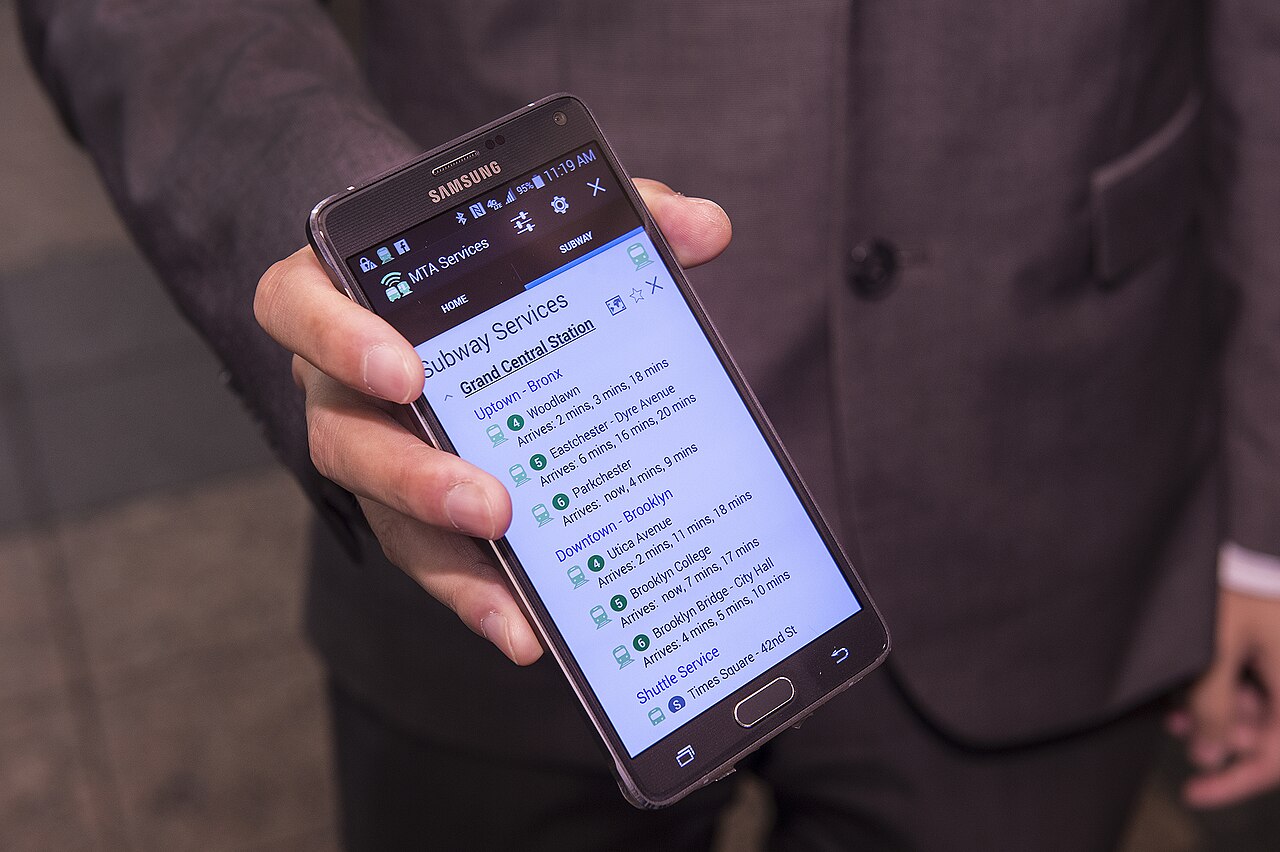
- Use Official Apps and Guides: The MTA’s digital tools and resources, such as the TrainTime app and the NYC subway map, provide real-time information and planned work notices.
If a platform is extremely crowded, consider taking an alternate route or waiting for the next train. Often, the next train arrives only a few minutes later and is far less packed.
How to Stay Safe and Be Prepared
The NYC subway is widely used by locals and visitors, and basic awareness goes a long way.
- Plan Your Route in Advance: Before you leave your hotel or accommodation, look up your route and any transfers you need to make. This reduces stress while you’re on the move and helps you choose the right entrance at multi-line stations.
- Mind Your Belongings: Keep bags zipped and in front of you, especially in crowded cars and on busy platforms. Avoid displaying valuables unnecessarily.
- Stand Back from the Platform Edge: Stay behind the yellow or tactile safety strip and wait for passengers to exit before you board.
- Know Your Exit: Large stations can have many exits that lead to different corners of an intersection. Check posted neighborhood maps near the turnstiles to choose the exit closest to your destination.
On escalators and stairs, stand on the right and let people pass on the left. This small courtesy keeps foot traffic moving and helps you blend in with locals.
---
Frequently Asked Questions About Navigating the NYC Subway System
How do I pay for the subway in NYC?
You can pay using the OMNY system with a contactless credit or debit card, or a mobile wallet on your phone or wearable device. Tap once at the OMNY reader on the turnstile and wait for confirmation. The base fare is $3.00, and after 12 paid rides in a Monday–Sunday week with the same card or device, the rest of your rides that week are free under OMNY’s weekly fare cap. For full details, visit the MTA’s fares page.
What is the best way to get to the Statue of Liberty?
To reach the ferry to Liberty Island, you can take the 1 train to South Ferry or the R/W to a nearby Lower Manhattan station and then walk to the ferry terminal. From there, purchase ferry tickets and follow the official instructions for boarding. Always check the operator’s official website and alerts for any schedule changes or weather-related impacts.
Are NYC subways accessible for people with disabilities?
Many stations, including major hubs like Grand Central Terminal, have elevators, ramps, and other accessibility features. However, not every station is fully accessible. Before you travel, check the MTA’s official accessibility resources for an up-to-date list of accessible stations and any elevator or escalator outages. Planning your route around accessible stations can make your trip much smoother.
How can I get real-time updates about subway service?
You can use the MTA’s digital tools, including the TrainTime app and the official website, to see real-time train arrivals, planned work, and service alerts. These tools help you adjust your route on the go, especially during weekends or late nights when service changes are more common.
Is the NYC subway safe at night?
The subway operates 24/7, and many people use it late at night. As with any large city, it’s wise to stay aware of your surroundings, keep valuables secure, and wait in well-lit areas of the platform. If possible, ride in cars with more passengers and near the conductor. For the latest safety guidance, refer to official MTA and city resources.
Can I use the subway to reach major NYC landmarks like the Brooklyn Bridge or One World Observatory?
Yes. You can use nearby Lower Manhattan stations to access the Brooklyn Bridge pedestrian entrance and the One World Observatory area via the E train to World Trade Center. From each station, follow street-level signs or a map app to walk to the landmark. Always confirm your route with the NYC subway map and check alerts for any service changes.
---
Conclusion: Mastering the NYC Subway System
Mastering navigating the NYC subway system is key to enjoying your visit to this dynamic metropolis. With OMNY’s contactless payment, a clear understanding of local versus express trains, and a bit of route planning, you can reach major attractions like Times Square, Central Park, the Statue of Liberty, the Brooklyn Bridge, and One World Observatory efficiently and affordably.
Before every outing, check service alerts and fares, review the NYC subway map, and give yourself a little extra time at busy hubs. Once you get comfortable reading signs and choosing the right direction, the subway becomes more than just transportation—it becomes part of the New York City experience itself.
Keep a digital map handy, double-check train directions (uptown vs. downtown), and don’t be afraid to step off and reroute if you realize you’re going the wrong way. The next train is usually just a few minutes behind. Happy travels!