Rush Hour Survival Guide: Beating the Crowds on New York City Transit
# Rush Hour Survival Guide: Beating the Crowds on New York City Transit
Navigating New York City during rush hour can feel overwhelming, but with the right strategies you can beat the crowds and move confidently. The Metropolitan Transportation Authority (MTA) oversees a vast network of subways, buses, and commuter rails, with a base fare of $3.00 per subway or local bus ride. Whether you're heading to Times Square, Grand Central Terminal, or the Empire State Building, understanding NYC rush hour patterns will help you save time, reduce stress, and enjoy the ride.
---
Understanding NYC Rush Hour Patterns
NYC rush hour is driven by work and school schedules, so trains and buses get busiest when people commute in and out of Manhattan. While exact crowd levels vary by line and neighborhood, there are consistent peak windows you can plan around.
When Is Rush Hour in New York City?
On most weekdays, morning rush hour runs roughly from 7:00 AM to 9:30 AM, and evening rush hour from 5:00 PM to 7:00 PM. During these times:
- Subway platforms and cars are often very crowded, especially in central Manhattan.
- Buses can experience slower travel due to street traffic.
- Lines that serve major job centers and transfer hubs see the heaviest use.
The MTA provides detailed information on routes and service patterns, but day-to-day crowding can still change based on weather, events, and service changes. Always allow extra time if you must travel during these peak windows.
If your schedule is flexible, shifting your trip by even 20–30 minutes earlier or later than the peak can noticeably reduce crowding.
What to Expect During Peak Times
During NYC rush hour, you should anticipate:
- Crowded platforms and stairways at major hubs like Grand Central Terminal, Times Square, and stations near office districts.
- Full trains where you may need to let one train pass before you can board comfortably.
- More frequent service, but also higher chances of delays because of the volume of riders.
Commonly busy subway lines include:
- Line 1 and Line 2 along the west side of Manhattan
- Line A and Line E, which serve major transfer points and business districts
Knowing which lines and stations are most crowded helps you decide whether to adjust your route, timing, or even which train car to choose.
Check service alerts before you leave. Even a minor disruption can quickly ripple through the system during rush hour.
---
Navigating Crowded NYC Transit Stations
Some stations function as major transfer hubs and tourist gateways, so they feel especially intense during rush hour. A bit of planning goes a long way.
Key Transit Hubs and How to Move Through Them
Understanding station layouts and exits can save several minutes and help you avoid the densest crowds.
Grand Central Terminal
Grand Central Terminal is both a landmark and a critical transit hub. It connects:- Subways: Line 4, Line 5, and Line 6
- Commuter rail: Metro-North Railroad, which serves the northern suburbs
During rush hour:
- Expect heavy foot traffic in the main concourse and near subway stairways.
- Look for less obvious exits along side corridors to reach the street faster.
- Follow overhead signs closely; they clearly mark subway lines, exits, and Metro-North tracks.
If you are visiting nearby attractions instead of commuting, build in extra time to navigate crowds, especially if you are unfamiliar with the station.
Times Square–42 St
Times Square is one of the busiest complexes in the system and a major transfer point. It connects:During rush hour:
- Corridors can be crowded and slow-moving, especially near transfer points.
- The north and south ends of platforms often have less busy exits, which can shorten your walk at street level.
- Allow extra time when transferring between lines, as some passageways are long.
If you only need one line, use the entrance closest to that line instead of entering at the busiest corner and walking through the whole complex.
---
Rush Hour Strategies for Popular NYC Destinations
Many visitors travel during rush hour to reach major attractions. You can still move efficiently if you plan ahead.
Getting to Times Square, Central Park, and Midtown
For Midtown highlights like Times Square, Central Park, and the Empire State Building:
- Aim to arrive before 8:00 AM or after 10:00 AM if you want to avoid the peak commuter surge.
- When leaving in the late afternoon, consider staying for dinner or a show and traveling after 7:00 PM.
- Use nearby stations with multiple lines for flexibility; if one line is delayed, another may still be running smoothly.
If you are walking between Midtown attractions, you can sometimes skip a crowded one-stop subway ride and walk instead, especially during peak times.
Visiting Downtown Landmarks During Rush Hour
For Lower Manhattan destinations like the Brooklyn Bridge, One World Observatory, and ferries toward the Statue of Liberty:
- Morning rush can be intense as many office workers arrive in the Financial District.
- Plan your Statue of Liberty or observatory visit for mid-morning or mid-afternoon when stations and platforms are generally less crowded.
- Check alerts if you rely on a single line to reach Lower Manhattan, and allow buffer time for security lines at attractions.
If you are heading to a timed ticketed attraction, build in at least 30 extra minutes when traveling during rush hour to account for possible delays.
---
Best Practices for Commuting During NYC Rush Hour
A few core habits can dramatically improve your rush hour experience, whether you are a daily commuter or a visitor.
How to Plan Your Route Effectively
Careful route planning helps you avoid unnecessary transfers and crowded bottlenecks.
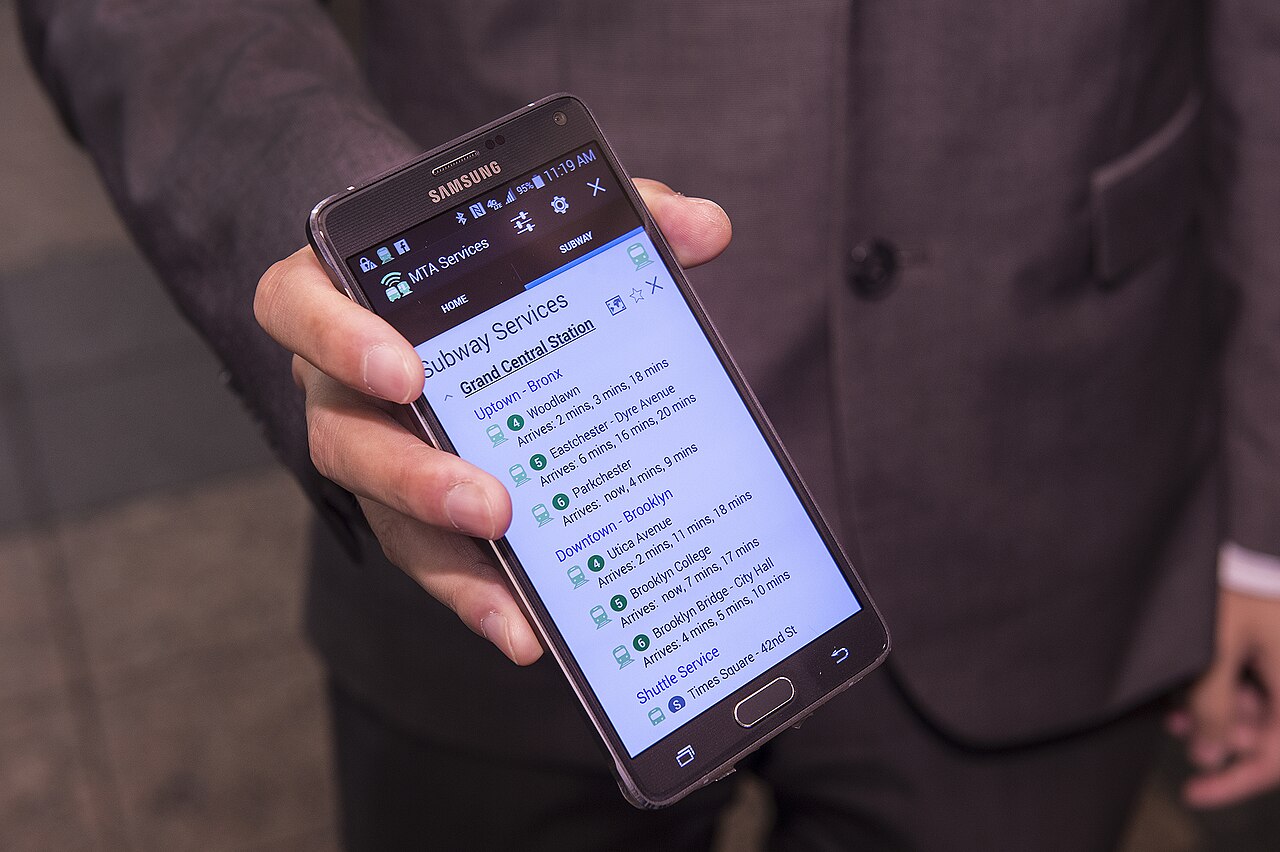
- Use digital tools: The MTA Trip Planner and widely used map apps can suggest routes and show service changes.
- Compare transfer options: Sometimes one extra stop on the same line is faster than making a crowded transfer at a major hub.
- Know backup routes: Identify at least one alternate line or station you can use if your primary route has issues.
If you are staying near a station served by multiple lines, you gain flexibility to switch routes quickly when you see a disruption on alerts.
Save your most-used routes in your preferred transit app so you can check conditions with one tap before leaving.
Using OMNY and Understanding Fares
The MTA’s OMNY system offers contactless payment across subways and buses:
- Base fare: $3.00 per subway or local bus ride.
- How to pay: Tap a contactless bank card, smartphone, or wearable on the OMNY reader at the turnstile or bus door.
- MetroCard phase-out: MetroCard is being phased out, with OMNY becoming the primary payment method as of January 2026.
For the latest details on discounts, fare caps, and any unlimited options, check the MTA’s official information or our NYC transit fares guide.
Using OMNY during rush hour speeds up entry and reduces lines at vending machines, especially at busy hubs.
---
Timing Your Trip to Beat NYC Rush Hour Crowds
Even when you cannot avoid rush hour entirely, small timing adjustments can make your ride more comfortable.
Choosing the Best Time to Travel
Consider these timing strategies:
- Travel earlier: If possible, start your morning trip before 7:00 AM. Trains are usually less crowded than at the 8:00–9:00 AM peak.
- Travel later: In the evening, leaving after 7:00 PM often means more space on trains and quicker boarding.
- Avoid tight connections: Avoid planning back-to-back commitments that assume perfect transit conditions during peak hours.
Where to Stand on the Train
Your position on the platform and in the train can affect your ride:
- The first and last cars are often less crowded than the middle cars.
- Stand where you see riders spreading out along the platform rather than clustering near stairways.
- If you know your exit at the destination station, you can choose the car that lines up closer to that exit to save time.
Watch the first train that arrives. If one area looks especially crowded, walk a bit down the platform before boarding the next train.
---
Managing Delays and Disruptions During Rush Hour
Delays are more noticeable during rush hour because trains and platforms are already full. Staying informed and flexible is essential.
Staying Informed in Real Time
To keep up with changing conditions:
- Use official MTA tools and third-party transit apps that show real-time train arrivals and service changes.
- Check service alerts before you leave and again if you notice unusual crowding.
- At stations, pay attention to overhead screens and public announcements, which provide updates on delays or reroutes.
Following official MTA channels on social media can also help you spot major disruptions quickly.
Knowing Your Alternative Options
When your usual route is disrupted, alternatives can save your trip:
- Nearby subway lines: Many Manhattan neighborhoods are served by multiple lines within walking distance. Walking a few blocks to another station can be faster than waiting.
- Bus routes: Local buses, such as crosstown lines, can help you bypass a subway issue or reach another working line.
- Walking short distances: For one or two stops, especially in central areas, walking can be as fast as waiting for a delayed train.
If you rely on a specific line daily, learn which parallel routes or nearby stations you can use as backups.
Keep a portable charger with you so your phone stays powered for navigation, digital tickets, and real-time updates.
---
Practical Etiquette and Safety Tips for Rush Hour
Rush hour is smoother for everyone when riders follow basic etiquette and safety guidelines.
How to Move Safely and Courteously
Keep these habits in mind:
- Let riders off first: Stand to the side of the doors and allow passengers to exit before you board.
- Move inside the car: After boarding, move away from the doors so others can enter.
- Keep bags close: Hold backpacks or large bags in front of you to save space and avoid bumping others.
- Mind the gap: Watch the space between the platform and the train when boarding and exiting.
Staying aware of your surroundings and your belongings is especially important in crowded conditions.
Staying Comfortable During Peak Travel
Rush hour can be physically tiring, but a few choices help:
- Wear comfortable shoes, since you may stand for the entire ride and walk through large stations.
- Carry a lightweight bag instead of a bulky backpack when possible.
- Bring a small water bottle, especially in warmer months, as stations and cars can feel hot.
- If you feel unwell, step away from crowded areas and seek help from MTA staff.
If a train feels uncomfortably crowded, it is often worth waiting for the next one—especially outside the absolute peak minutes.
---
FAQ: Understanding NYC Rush Hour and Beating the Crowds
What time does NYC rush hour start and end?
NYC rush hour typically starts around 7:00 AM and ends around 9:30 AM on weekday mornings. Evening rush hour usually runs from 5:00 PM to 7:00 PM. Crowds can be heavier at the center of those windows and lighter toward the edges.
How can I avoid crowded trains during rush hour?
To avoid the most crowded trains:
- Travel before 7:00 AM or after 7:00 PM when possible.
- Use the first or last cars, which are often less crowded than the middle.
- Consider walking short distances instead of taking one-stop rides between very busy stations.
If your schedule is fixed, adjusting your route or departure station can still help reduce crowding.
Is OMNY the only way to pay for the subway and buses?
The MTA is transitioning to OMNY as the primary payment method, with MetroCard being phased out by January 2026. With OMNY, you tap a contactless card or device to pay the $3.00 base fare on subways and local buses. For the most up-to-date information on payment options and any remaining MetroCard availability, check the official MTA site or our fares guide.
Are there alternative routes to avoid rush hour crowds?
Yes. You can often:
- Use less crowded lines where available, such as lines that run parallel to your usual route.
- Take buses instead of the subway for shorter trips or when there are subway disruptions.
- Walk to a nearby station served by multiple lines, which gives you more options if one line is delayed.
Check alerts and a reliable transit app to compare options in real time.
How do I handle delays if I have a time-sensitive appointment?
If you must arrive by a specific time during rush hour:
- Allow extra travel time in your schedule.
- Check service alerts before leaving and monitor them en route.
- Have at least one backup route in mind, such as a different line or bus connection.
If delays become severe, consider whether walking part of the way could be faster than waiting.
---
Conclusion: Mastering NYC Rush Hour Like a Local
Understanding NYC rush hour is the key to a smoother commute or a more relaxed visit. By planning your route in advance, using OMNY for quick and contactless entry, checking service alerts before you travel, and timing your trips thoughtfully, you can minimize stress even during the busiest parts of the day. Whether you are heading to Times Square, exploring Central Park, or connecting through Grand Central Terminal, these strategies will help you move confidently through the system.
Stay flexible, stay informed, and build in a bit of extra time when traveling during peak hours. With these habits, you will not only survive NYC rush hour—you will navigate it with the ease of a seasoned New Yorker. For more planning help, explore our in-depth NYC transit guide and start mapping out your next trip.
Final Thought: Preparation, awareness, and a few smart timing choices turn rush hour from a daily headache into a manageable—and even predictable—part of life in New York City.