Is the NYC Subway Safe at Night? Hours, Tips, and What Locals Know
Riding the subway after dark can feel intimidating, especially if it’s your first time in New York. You’re probably wondering, “is NYC subway safe at night?” The honest answer: millions of New Yorkers use it late every evening, and with some street smarts and route planning, it’s generally safe for most riders. But it’s not risk‑free, and some lines, stations, and hours are better than others.
This guide breaks down late‑night hours, which routes feel safer, how locals ride after midnight, what to avoid, and exact steps to take if anything feels off—plus backup options if the subway doesn’t feel right for you tonight.
---
Is NYC Subway Safe at Night for Tourists and New Riders?
If you’re new to the system, is nyc subway safe at night depends on three things: time, location, and how you ride. Most locals ride late without problems, but you should be more cautious between midnight and 5:00 a.m.
How late the subway runs and what changes at night
- The subway runs 24/7, but:
- Some lines run local only, and some branches shut down for work.
- You may have to wait longer on platforms, which is when most people start to feel uneasy.
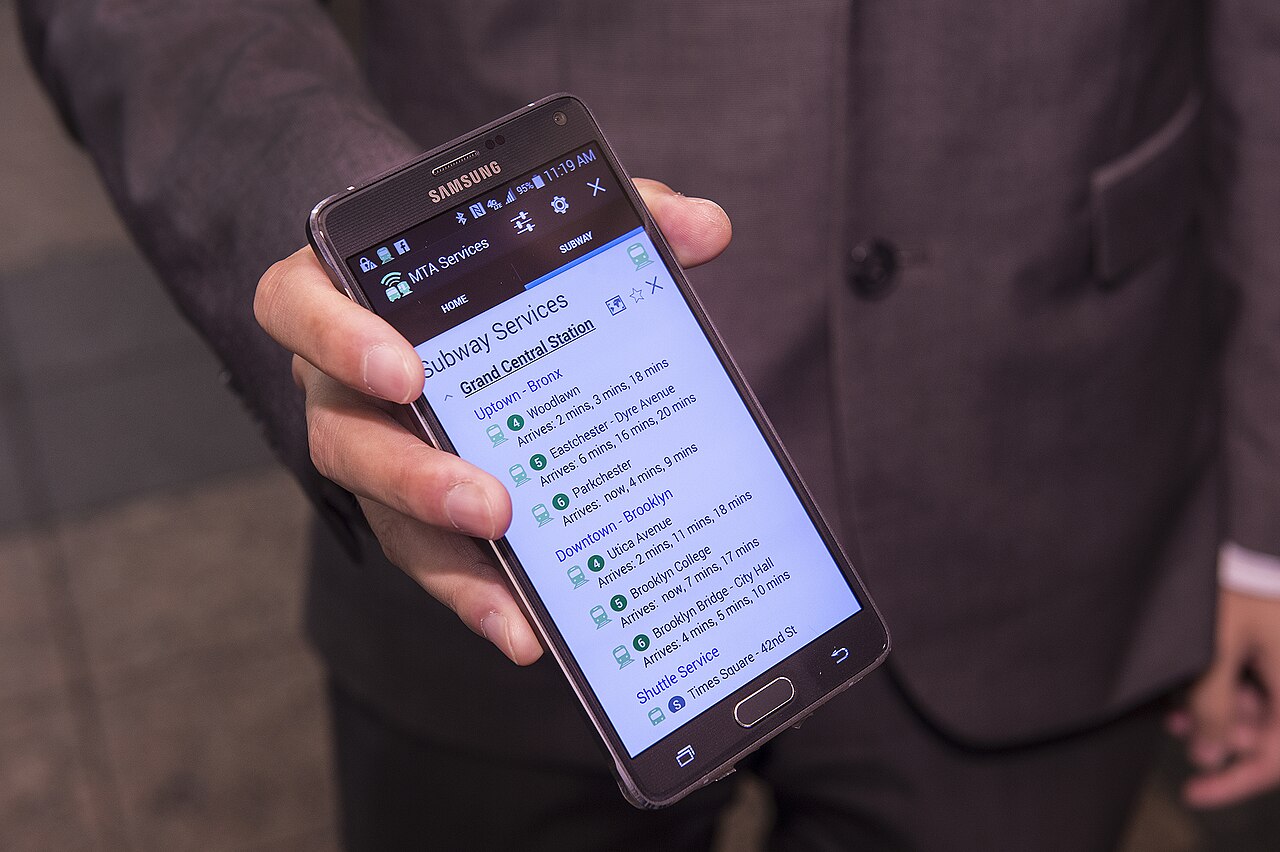
Check service alerts and the MTA’s real‑time info before you head out, especially for late‑night work on lines like Line 4 or Line A.
Areas and stations that feel more comfortable at night
In general, stations that feel safer late at night have:
- More foot traffic (bars, restaurants, late‑night shops nearby)
- Good lighting and clear sightlines
- Staffed booths or station agents in view
- Multiple exits to busier streets
Examples many visitors use at night:
- 66 St-Lincoln Center on the Line 1 – arts district, well‑lit, lots of people after shows.
- Bedford Av on the Line L – Williamsburg nightlife, crowded until late.
- Flushing-Main St on the Line 7 – busy transit hub, even late.
More isolated or residential stations like New Lots Av or Bay 50 St can feel very quiet after midnight. Locals still use them, but you’ll want to be extra alert and wait closer to other riders.
Who should think twice about late‑night subway rides?
Consider alternatives (taxi, rideshare, or bus) if:
- You’re carrying lots of luggage or shopping bags
- You’re very tired or intoxicated
- You’re traveling alone to a very quiet residential station after 1–2 a.m.
- You feel anxious enough that you won’t be able to pay attention to your surroundings
The subway is usable and generally safe at night, but you shouldn’t push your comfort level. New Yorkers mix subway, bus, and rideshare all the time, depending on the hour and neighborhood.
---
Safest Ways to Ride the NYC Subway at Night
The key isn’t just asking “is NYC subway safe at night,” but how to ride it safely. A few habits make a big difference.
Choosing where to stand and sit
- On the platform
- Stand near other riders, not alone at the far ends.
- Look for CCTV cameras and brighter lighting.
- On outdoor stations like 33 St-Rawson St, avoid standing at isolated ends late at night.
- On the train
- Sit or stand closer to the conductor (usually the middle of the train) or near the door to the next car so you can move if needed.
- Avoid falling fully asleep or wearing both headphones at high volume.
What to do with your bags, phone, and wallet
- Keep your bag in front of you, closed, with a hand on the strap.
- Avoid holding your phone out near open doors—that’s when grab‑and‑run thefts happen.
- Use a front pocket or inside zip pocket for your wallet or cards.
- If you’re using your phone for navigation, step back from the platform edge and keep a hand on it.
If someone is making you uncomfortable, move calmly to a different car at the next stop, preferably near the conductor, or step off and wait for the next train in a more populated area of the platform.
When to avoid a train or car
Skip a car and wait for the next one if:
- It’s completely empty when all others are full.
- You see people arguing, aggressive behavior, or visible weapons.
- There’s someone clearly in crisis (screaming at riders, throwing things, etc.).
Locals do this constantly—just step back, let that train go, and wait for the next.
---
Best and Worst Times to Take the Subway at Night
Late‑night safety on the subway changes a lot depending on what time you travel.
Evening (7:00 p.m. – 11:00 p.m.)
- Trains are still fairly frequent (5–10 minutes on most lines).
- The system is busy with:
- People going to dinner, shows, or bars
- Stations like 66 St-Lincoln Center, Bedford Av, and Flushing-Main St are active and feel lively rather than deserted.
For most visitors, this window is the sweet spot: cheaper and often faster than taxis, with plenty of other riders around.
Late night (11:00 p.m. – 2:00 a.m.)
- Trains come less often (10–20 minutes).
- More riders are coming from bars and clubs; you may see:
- Occasional arguments
- Drunk passengers sleeping
Still, many New Yorkers are commuting from late shifts, and platforms in busy neighborhoods are far from empty. If you’re heading to places near Bedford-Nostrand Avs, 15 St-Prospect Park, or 63 Dr-Rego Park, you’ll see a mix of locals and night‑shift workers.
Overnight (2:00 a.m. – 5:00 a.m.)
This is when risk and discomfort go up:
- Trains can be 20–30 minutes apart or more.
- Platforms at smaller stations like 80 St or Bay 50 St may be nearly empty.
- You may encounter more:
- Mental health crises
- Isolated incidents in nearly empty cars
If you must ride at this hour:
- Board busier cars, not the emptiest one.
- Stand or sit near the conductor.
- Consider getting off at a major hub and transferring to a bus or rideshare for the last leg.
Early morning (5:00 a.m. – 7:00 a.m.)
- System starts to wake up again with early commuters.
- Service frequency improves.
- Feels more like daytime commuting, though some overnight behavior lingers.
If you can time your trip closer to 5:00–6:00 a.m. instead of 3:00 a.m., it will usually feel noticeably more comfortable.
---
Using OMNY, Fares, and Transfers Safely at Night
Knowing exactly what to do at the turnstile reduces stress and keeps you from fumbling with payment in a quiet station.
How OMNY works at night
MetroCard is retired as of January 2026. You now pay with OMNY, the MTA’s contactless system:
- Tap a contactless credit/debit card, phone, or smartwatch at the OMNY reader.
- Base fare is $3.00 per ride (2026).
- Free transfers within 2 hours between:
- Subway and local bus
- Local bus and local bus
You can review all options on the MTA’s fares page, including any unlimited caps or discounts.
At night:
- Have your card or device ready before you reach the turnstile so you’re not digging through bags.
- If a reader isn’t working, move to another turnstile rather than standing alone trying to fix it.
Planning safe routes and transfers
Use the MTA trip planner to:
- See live arrival times for your train.
- Check if your line has overnight work (for example, Line 4 running local only or skipping certain stations).
- Compare routes that use busier transfer stations.
Safer‑feeling transfer strategies:
- Prefer busier hubs even if it adds a few minutes:
- Use Utica Av or New Utrecht Av rather than tiny, isolated stations.
- If you’re changing directions, try to transfer once rather than multiple times late at night.
When to switch from subway to bus or rideshare
Consider hopping off at a bigger station and switching modes if:
- You’d arrive at your home station after 2:00 a.m. and it’s very quiet.
- You see from service alerts that your line is running a slow overnight shuttle.
- You’re carrying luggage and need to walk several dark blocks from a remote station like New Lots Av.
A common local move: ride the subway to a busy stop (for example, Bedford Av), then take a short rideshare from there instead of from a remote address.
---
What Locals Actually Do to Stay Safe on the Subway at Night
Locals don’t just ask “is NYC subway safe at night”—they build habits that make it feel routine and manageable.
How New Yorkers choose routes after dark
- They favor familiar lines and stations, especially late.
- They avoid multiple transfers at quiet stations; one transfer at a busy hub is better than two at small stops.
- They time trips so they’re not stuck on a platform for 20+ minutes—checking arrival times before leaving the bar, event, or friend’s place.
For example, if a Brooklyn rider near Union St on the Line R sees that the next train is 18 minutes away at 1:30 a.m., they might walk to another nearby line or call a rideshare instead of waiting alone.
How they behave on the train
Most locals:
- Keep headphones low or use just one earbud.
- Glance up before each stop to stay oriented.
- Avoid getting involved in arguments or confrontations, even if someone is being rude.
- Move calmly to another car if someone is acting threatening or unstable.
If something feels off, they don’t overthink it—they simply change cars at the next stop or get off and wait for the next train.
What they do if there’s a problem
If you feel unsafe or see someone in danger:
- On the platform:
- Look for MTA workers in vests or uniforms.
- On the train:
- Tell the conductor through the window.
- Find an MTA employee on the platform.
- In an emergency, call 911 and give:
- Line (e.g., Line 1)
- Direction (uptown/downtown)
- Nearest station (e.g., “between 138 St-Grand Concourse and 121 St”).
If someone demands your phone or wallet, give it to them and get to a safe place as soon as you can. Property is replaceable; you are not.
---
Backup Plans if You Don’t Want the Subway Tonight
Sometimes the honest answer to “is NYC subway safe at night for me right now?” is: not worth the stress. You still have options.
Use buses instead of the subway
Late at night, buses can feel safer for some riders because:
- You’re above ground and can see the street.
- There’s only one door to watch (front boarding).
- You’re close to the driver and other riders.
Examples:
- From South Ferry, you can use local buses up Manhattan instead of late‑night trains.
- From Flushing-Main St, several bus routes fan out into Queens residential areas.
Use the trip planner to see bus options; the same $3.00 OMNY fare and free 2‑hour transfer rules apply.
Strategic rideshare and taxi use
You don’t have to choose subway or rideshare—you can combine them:
- Take the subway to a busy, well‑lit hub.
- From there, call a rideshare for the last 1–2 miles.
- This keeps costs down while avoiding the quietest part of your trip.
Yellow cabs are often easy to find late at night in Manhattan near Midtown, the Village, and the Upper West Side (around 66 St-Lincoln Center).
Walking smart when you exit the station
When you come up from stations like Gates Av or Utica Av late at night:
- Choose the exit closest to your destination, even if it means walking to the far end of the platform before going up.
- Avoid walking with your phone in your hand the entire way.
- Stick to main avenues and better‑lit streets instead of side streets when possible.
If you feel uneasy as you exit, step into a bodega, deli, or open business for a minute to regroup, check your route, or call a ride.
---
Practical Late‑Night NYC Subway Safety Tips
- Plan your route before you leave, including a backup (bus or rideshare) if trains are delayed or a station feels too empty.
- Check service alerts for overnight work so you’re not surprised by skipped stops or shuttle buses at 1:00 a.m.
- Wait in the middle of the platform near the conductor’s car and other riders, not at isolated ends, especially at smaller stations like 25 St or 80 St.
- Use OMNY confidently: have your card or phone ready, tap once, and walk through—less fumbling means less time distracted at the turnstile.
- Trust your instincts: if a car, station, or situation feels wrong, change cars or trains, or switch to a bus or ride home instead of pushing through.
---
FAQ: Is the NYC Subway Safe at Night?
Is it safe to take the NYC subway after midnight?
It’s generally safe for most riders, and thousands of New Yorkers use it after midnight every night. That said, risk is higher between midnight and 5:00 a.m. because trains are less frequent, platforms can be emptier, and you may see more disruptive behavior. If you ride after midnight, wait near other people, choose busier cars, and consider combining the subway with a short rideshare for the last part of your trip.
Which NYC subway lines are safest at night?
No line is officially “safest,” but busier lines and hubs tend to feel more comfortable late. Lines like Line 1, Line 7, and Line L serve areas with nightlife and late‑shift workers, so trains and stations like 66 St-Lincoln Center, Bedford Av, and Flushing-Main St often have more riders around. More remote branches and small stations can feel lonelier; use extra caution there after midnight.
Is it safe for solo female travelers to use the NYC subway at night?
Many solo women in NYC ride the subway at night regularly, but they often set limits: avoiding the very late hours (2:00–5:00 a.m.) when possible, choosing busier stations and cars, sitting near the conductor, and planning the walk from the station to home along better‑lit streets. If a station or train feels empty or uncomfortable, switching to a bus or rideshare for part or all of the trip is a normal and sensible choice.
What should I do if I feel unsafe on the subway?
If you feel unsafe:
- Move to another car near the conductor at the next stop.
- If needed, exit the train and wait for the next one in a busier area of the platform.
- Look for an MTA employee (in a booth or on the platform) and explain what’s happening.
- In an emergency, call 911 and give your line, direction, and nearest station.
Your goal is to get to a busier, better‑lit space with staff or other riders as quickly and calmly as possible.
---
Riding the subway at night in New York is something locals do every day, and with smart choices, you can too. Know your route, check service alerts, use OMNY smoothly, and stay aware of your surroundings—especially between midnight and 5:00 a.m. If a situation, station, or hour doesn’t feel right, switch to a bus, taxi, or rideshare. With a plan and a backup, you can get home safely and confidently, no matter how late your NYC night runs.