How to Get to New York City's Top 10 Tourist Attractions by Transit
# Navigating NYC: Top 10 Attractions by Transit
Visiting New York City and navigating its wealth of iconic attractions can be both exhilarating and overwhelming. Fortunately, the Metropolitan Transportation Authority (MTA) provides a comprehensive and efficient transit system to get you to all the must-see sights. Whether you're heading to Times Square, the Empire State Building, or Central Park, knowing how to use public transit effectively will enhance your NYC experience. This guide will help you navigate NYC's top tourist attractions using the subway and buses, ensuring a smooth and budget-friendly adventure.
---
Getting to Times Square by Subway
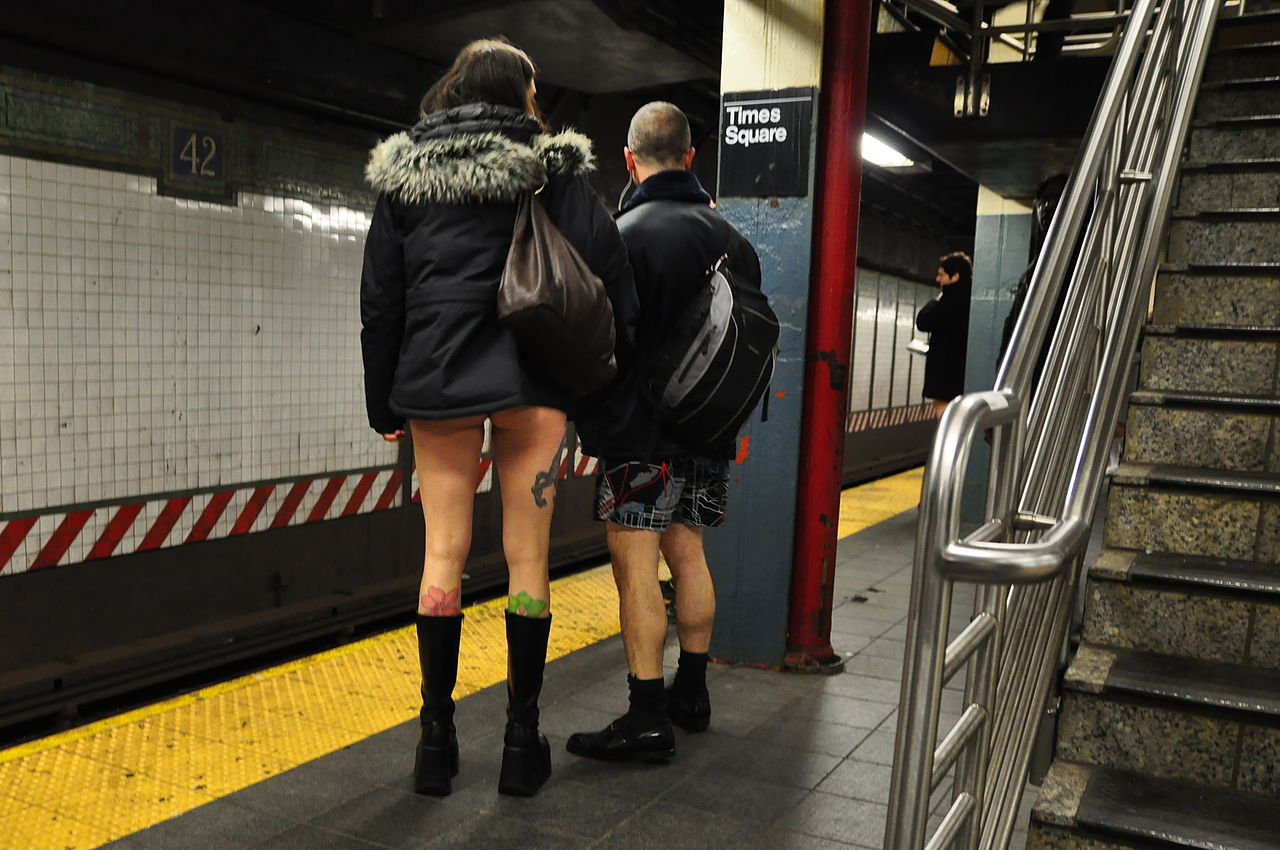
Times Square, the vibrant heart of NYC, is a must-visit for any tourist. Known for its bright lights, Broadway theaters, and bustling atmosphere, it is one of the easiest places to reach by subway.- Subway Lines: The 1, 2, 3, 7, N, Q, R, W, and S lines all stop at Times Square–42nd Street.
From almost anywhere in Manhattan, you are usually only one transfer away from Times Square. Most lines connect to a station served by at least one of the routes listed above, making it a natural hub when you plan your day.
Use Times Square as your “home base” when planning multiple attractions in one day. Many major sights are one or two stops away.
Travel Tips for Times Square
- Peak Hours: Avoid rush hours (about 7–9 AM and 5–7 PM on weekdays) for a less crowded experience.
- Payment: Use the OMNY contactless payment system at the turnstiles. The base fare is $3.00 per ride.
- Accessibility: Times Square–42 St has elevators and is wheelchair accessible. Look for the wheelchair symbol on station signage.
- Connections: You can walk underground from Times Square–42 St to 42 St–Port Authority Bus Terminal for bus connections and additional subway lines.
Visit Times Square late at night or early in the morning for fewer crowds and a unique view of the digital billboards without shoulder-to-shoulder traffic.
---
Visiting Central Park: Your Transit Options
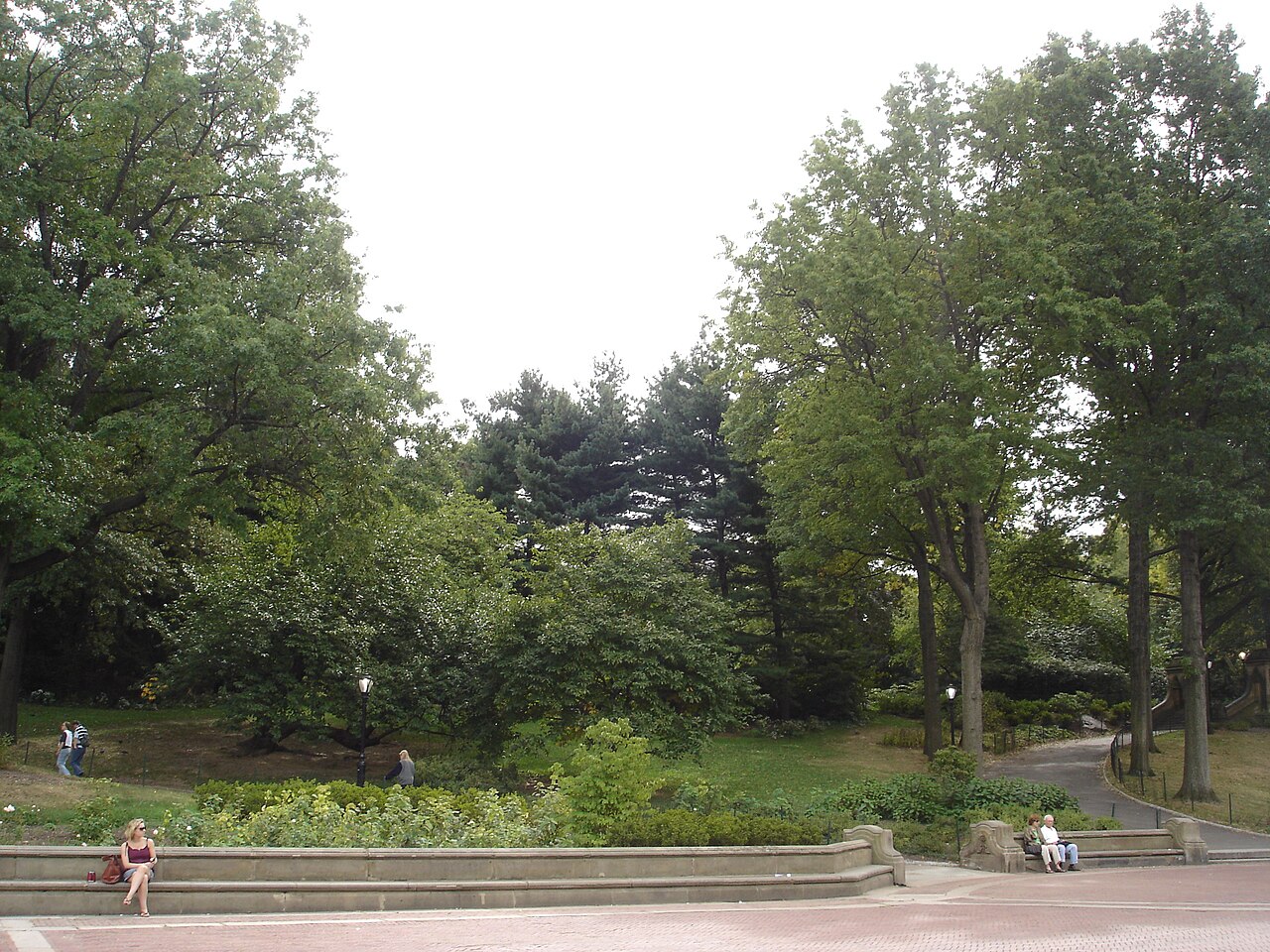
Central Park, an oasis in the middle of the concrete jungle, stretches from 59th Street to 110th Street. Multiple subway lines ring the park, so you can choose your station based on which part of the park you want to explore.
Subway Lines to Central Park
For the southern entrances near popular sights like the Central Park Zoo:
- Take the A, B, C, D trains to 59th Street–Columbus Circle on the park’s southwest corner.
- The N, Q, R, W lines stop at 5th Avenue/59th Street, close to the southeast corner and the Plaza Hotel.
From these stations, you can walk a short distance to enter the park. Columbus Circle is ideal if you also want to explore the shops and restaurants nearby.
Travel Tips for Central Park
- Plan by entrance: Decide which area you want to see—zoo, Bethesda Terrace, Great Lawn—and pick the closest station.
- Biking: Consider renting a bike near the park for a leisurely loop around the main drives.
- Timing: Morning visits offer quieter paths and better light for photos.
- Service updates: Always check service alerts before you travel, especially on weekends when maintenance is common.
Download a Central Park map app or save an offline map. The park’s winding paths can be confusing, and cell service can be spotty in some areas.
---
Reaching the Statue of Liberty and Ellis Island
You cannot take the subway directly to the Statue of Liberty, but the subway gets you very close to the ferry terminals that serve Liberty Island and Ellis Island.
Subway Lines to the Ferry Terminal
Most visitors depart from Battery Park in Lower Manhattan:
- Ride the 1 to South Ferry, a short walk from the Battery Park ferry area.
- The R, W lines stop at Whitehall Street, which also places you near the ferry departure point.
From either station, follow the signs toward Battery Park and the Statue of Liberty ferries. Allow extra walking time, especially during busy tourist seasons.
Ferry Tips
- Tickets: Purchase ferry tickets in advance from the official provider’s website to avoid long lines at the park.
- Security: Expect airport-style security screening before boarding. Arrive early to account for this.
- Off-peak: Weekdays and earlier departures tend to be less crowded.
- Weather: Ferries operate in most weather conditions, but visibility and comfort are better on clear days.
The first ferry of the day is often the least crowded, giving you more space on deck and shorter lines at the Statue itself.
---
Exploring the Brooklyn Bridge
A walk across the Brooklyn Bridge offers sweeping views of the Manhattan skyline, the East River, and Brooklyn’s waterfront. You can start from either the Manhattan or Brooklyn side depending on your itinerary.
Subway Lines to the Brooklyn Bridge
For the Manhattan side:
- Take the 4, 5, 6 to Brooklyn Bridge–City Hall, a short walk to the bridge entrance.
For the Brooklyn side:
- The A, C, F lines stop at Jay St–MetroTech. From there, walk toward the waterfront and follow signs to the bridge.
Starting in Brooklyn and walking toward Manhattan is popular because you get the skyline directly in front of you as you cross.
Walking Tips
- Timing: Early mornings or late evenings provide softer light, cooler temperatures, and fewer crowds.
- Safety: Stay in the pedestrian lane and be aware of cyclists. Do not block the path when taking photos.
- Footwear: Wear comfortable shoes; the walk can take 20–40 minutes depending on your pace and photo stops.
- Weather: The bridge is fully exposed to the elements. Check the forecast and bring water, sunscreen, or an umbrella as needed.
Start from the Brooklyn side for postcard-worthy views of Lower Manhattan and to finish near other downtown attractions like One World Observatory.
---
Getting to the Empire State Building
The Empire State Building is one of NYC’s most recognizable landmarks and sits in Midtown Manhattan near 34th Street.
Subway Lines to the Empire State Building
Several subway stations are within walking distance:
- Use the B, D, F, M to 34th Street–Herald Square. From there, walk east along 34th Street.
- The 1, 2, 3 lines stop at 34th Street–Penn Station, a few blocks west of the building.
Both stations connect easily to other lines, making the Empire State Building a convenient stop between other Midtown attractions.
Visit Tips
- Tickets: Buying tickets online in advance helps you skip the main ticket line.
- Timing: Evening visits offer stunning night views, while daytime visits give clearer long-distance visibility.
- Fares: Review current subway fares and OMNY rules before you travel so you know what to expect at the turnstiles.
- Combos: Some sightseeing passes include the Empire State Building along with other attractions, which can save money if you plan multiple visits.
If your schedule is flexible, check the weather forecast and choose a clear day for the best views from the observation decks.
---
One World Observatory: A Sky-High Experience
One World Observatory sits atop One World Trade Center in Lower Manhattan and offers panoramic views of the entire region.Subway Lines to One World Observatory
You have several subway options within a short walk:
- Ride the A, C, J, Z, 2, 3, 4, 5 to Fulton Street.
- Take the E to World Trade Center.
From these stations, follow signs for the World Trade Center complex. The area is well marked for visitors heading to the observatory.
Visit Tips
- Tickets: Reserve timed-entry tickets online, especially if you want to visit at sunset.
- Security: Expect thorough security screening similar to an airport checkpoint.
- Weather: Clear, cool days often provide the sharpest views. Cloudy or foggy days can limit visibility.
- Nearby sights: The Oculus and the 9/11 Memorial are steps away, making it easy to combine several experiences in one visit.
Plan extra time to explore the Oculus transit hub and shopping center after your visit. Its interior is striking and makes for great photos.
---
Discovering the Metropolitan Museum of Art
The Metropolitan Museum of Art (“the Met”) is one of the world’s largest and most important art museums, located along Fifth Avenue on the Upper East Side.
Subway Lines to the Met
There is no station directly at the museum, but several are within a short walk:
- Take the 4, 5, 6 to 86th Street on Lexington Avenue, then walk west toward Fifth Avenue and Central Park.
- The Q line stops at 86th Street–2nd Avenue. From there, walk west across the neighborhood to reach the museum.
Both routes involve a pleasant neighborhood walk; allow extra time if you are unfamiliar with the area.
Visit Tips
- Admission: Check the Met’s official website for current admission policies, including any suggested donations or special hours.
- Guides: Audio guides and free map brochures help you navigate the museum’s vast collections.
- Timing: Arrive earlier in the day to enjoy popular galleries before they get crowded.
- Planning: Focus on a few sections—such as Egyptian art, European paintings, or the rooftop (seasonal)—rather than trying to see everything at once.
Reserve a timed-entry ticket online for the Met to streamline your arrival and reduce time spent in entry lines.
---
Navigating to Grand Central Terminal
Grand Central Terminal is both a major transit hub and an architectural landmark, with its celestial ceiling and iconic main concourse.Subway Lines to Grand Central
You can access Grand Central via several subway lines:
- Use the 4, 5, 6, 7, S at Grand Central–42nd Street.
This station connects local and express services, as well as the 42nd Street Shuttle (S) to Times Square–42nd Street, making transfers between Midtown attractions straightforward.
Visit Tips
- Tours: Guided tours (self-guided or organized) can help you appreciate the building’s history and hidden details.
- Dining: The lower-level dining concourse offers many food options, from quick bites to sit-down meals.
- Photography: Tripods may have restrictions, but handheld photography is welcome in most public areas.
- Shopping: Explore the small shops and markets inside if you have extra time between trains.
Visit the Whispering Gallery near the Oyster Bar. Stand at opposite corners and speak softly—you’ll hear each other clearly across the arch.
---
Practical Tips for NYC Transit
Navigating the NYC subway becomes much easier once you understand a few basics about fares, transfers, and planning.
Paying Your Fare with OMNY
- Base fare: The standard subway and local bus fare is $3.00 per ride.
- OMNY: Tap a contactless bank card, smartphone, or wearable on the OMNY reader at the turnstile.
- No card needed: You do not need a separate transit card if you have a compatible payment method.
- Check details: For the latest fare rules, discounts, or caps, visit the MTA’s official site or see our fares page.
Use the same payment device for every tap to keep your rides grouped correctly for any fare capping or transfer rules.
Planning Routes and Checking Service
- Transfers: You can transfer between subway lines within stations and between subways and buses under current transfer policies. Check the MTA site or fares for details.
- Off-peak travel: Travel outside rush hours when possible for a more comfortable ride.
- Service alerts: Always review service alerts before heading out, especially on nights and weekends when planned work is common.
- Navigation apps: Use reputable transit apps or the MTA’s official tools for real-time arrival information and alternate route suggestions.
If a line you planned to use has disruptions, look for nearby stations served by different lines. In many parts of Manhattan, another station is only a few blocks away.
---
FAQ: Getting Around NYC’s Top Attractions by Subway
How can I pay for my subway fare in NYC?
You can use the OMNY contactless payment system, which accepts contactless credit and debit cards, smartphones, and other digital wallets. Tap once per rider at the OMNY reader on the turnstile. The base fare is $3.00 per ride. For full details on reduced fares or caps, check the MTA’s official information or our fares guide.
What are peak hours on NYC transit?
Peak hours are typically weekday mornings (around 7–9 AM) and weekday evenings (around 5–7 PM). Trains and buses are usually more crowded during these times, especially on routes serving Midtown and the Financial District. If your schedule allows, plan major sightseeing trips outside these windows for a more relaxed ride.
Is the NYC subway accessible for wheelchairs?
Many stations, including major hubs like Times Square–42nd Street and Grand Central–42nd Street, have elevators and are wheelchair accessible. However, not every station is accessible. Before you travel, check the MTA’s official accessibility resources and current service alerts to confirm elevator status and accessible routes.
Can I transfer between subway lines for free?
You can transfer between subway lines within the same station complex without paying an additional fare, as long as you stay within the paid area. Transfers between subways and buses, and specific time limits or conditions, follow current MTA fare rules. For the most accurate and up-to-date information, review the MTA’s policies or visit our fares page.
---
Conclusion: Using the Subway to Reach Times Square and Beyond
Using the NYC subway is one of the fastest and most budget-friendly ways to reach Times Square and the city’s top attractions. With a $3.00 base fare, OMNY contactless payments, and frequent service across Manhattan, Brooklyn, Queens, and the Bronx, you can move between sights like Central Park, the Empire State Building, Brooklyn Bridge, One World Observatory, the Metropolitan Museum of Art, and Grand Central Terminal with ease. Plan your routes in advance, check service alerts, and tap in with OMNY to make the most of your time in New York City.