Free Things to Do in New York City Accessible by Transit
# Free Things to Do in NYC by Transit
Exploring New York City doesn't have to break the bank. With the MTA's extensive transit system, discovering free attractions is easier than ever. From iconic landmarks to hidden gems, the city's vibrant offerings are just a subway or bus ride away. In this guide, you'll find a range of activities that won't cost you a dime, perfect for both tourists and locals. Whether you're admiring art, strolling through historic neighborhoods, or enjoying stunning views, these activities are accessible via the MTA's subway lines and buses.
Always check service alerts before you ride. Planned work and delays can change the fastest route to your destination.
---
Visit Central Park by Subway and Bus
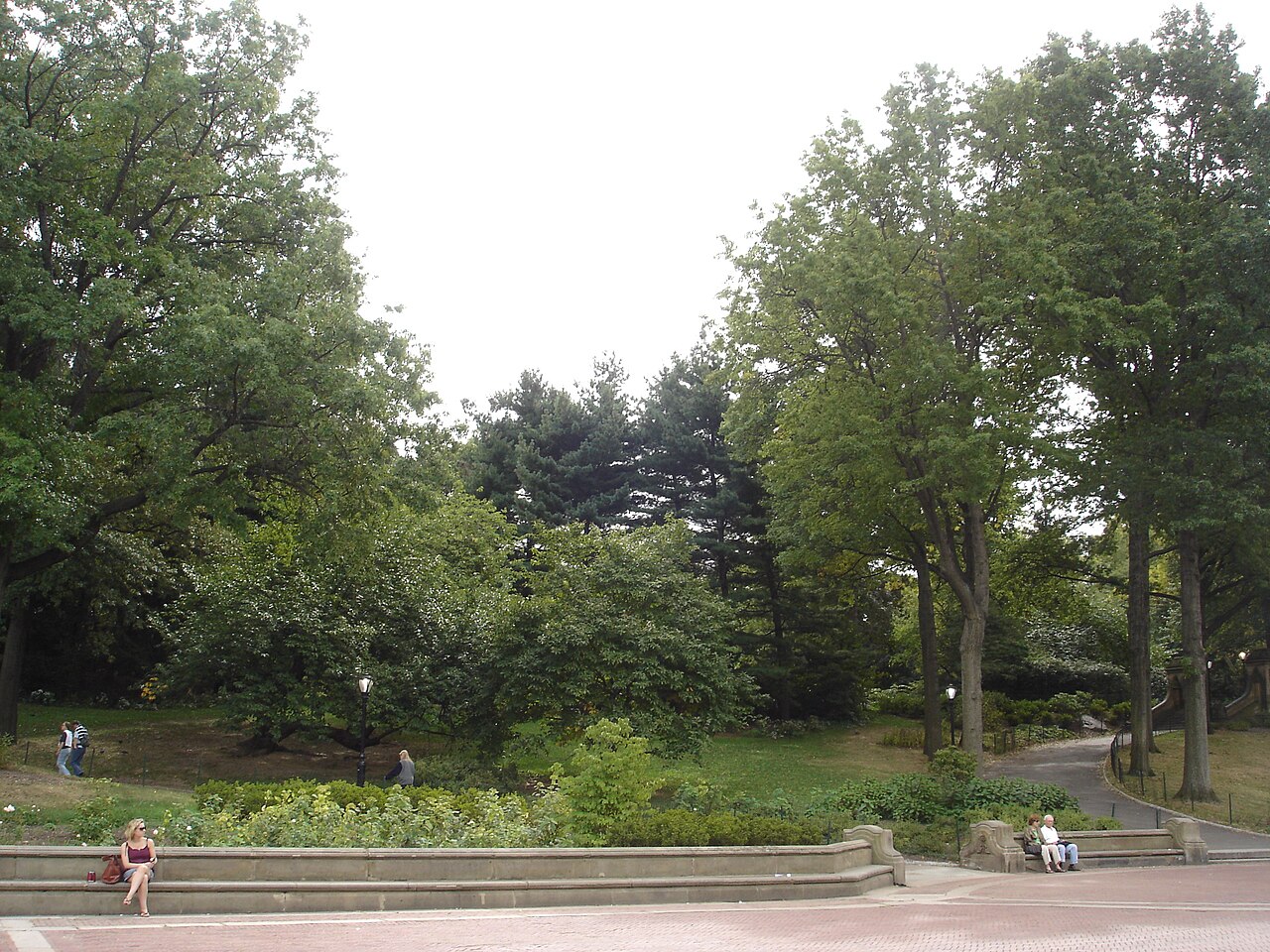
Central Park, the green heart of Manhattan, offers countless free activities. Spanning 843 acres, it's a haven for nature lovers and urban explorers alike. Whether you're visiting for a full day or just a quick afternoon stroll, Central Park has something for everyone and is easy to reach by transit.
You can access the park from multiple sides using nearby hubs like Times Square or Grand Central Terminal as starting points. From there, you can transfer to crosstown or uptown trains and buses that bring you within a short walk of the park’s many entrances.
How to Get to Central Park with the MTA
Central Park stretches from 59th Street to 110th Street, so you have many options to get close to your preferred area.
Common approaches include:
- South end (near 59th Street): Use stations around 59th Street–Columbus Circle and nearby midtown stops for the area often called “Central Park South.”
- West side: Travel along the west side of Manhattan using stations near the park’s western edge, including those around the Museum of Natural History.
- East side: Ride uptown toward the Metropolitan Museum of Art area to reach the park’s eastern entrances.
- North end: Head toward the upper reaches of Manhattan to explore the quieter, more wooded sections of the park.
Decide which part of the park you want to see first, then plan your route around that entrance. The park is large; starting in the right place saves you time and walking.
Explore Iconic Spots in Central Park
Central Park is home to several must-see attractions, each with its own unique charm:
- Bethesda Terrace and Fountain: Accessible via the 59th Street-Columbus Circle area and a pleasant walk north into the park, this architectural centerpiece offers views of the Lake and is a classic photo spot.
- The Mall and Literary Walk: A favorite among visitors, this tree-lined promenade is perfect for a leisurely stroll. You’ll often see musicians, portrait artists, and performers along the way.
- Belvedere Castle: Situated near the 81st Street Museum of Natural History area, this miniature castle offers panoramic views of the Great Lawn and Turtle Pond, making it a great spot for photography and skyline views.
You can easily combine these highlights into a single walking route. Start near the south end of the park, head north through the Mall to Bethesda Terrace, then continue toward Belvedere Castle for an elevated view.
Download or pick up a park map before you go. It helps you link nearby sights so you’re not doubling back across the park.
Enjoy Outdoor Activities in Central Park
Central Park is not just about scenic beauty; it's also a hub for various outdoor activities that are free or low-cost:
- Free walking tours: Nonprofit groups and volunteer organizations sometimes offer free or donation-based tours. They often focus on the park’s history, design, and famous filming locations. Check the official Central Park Conservancy website for current offerings and schedules.
- Bird watching: With over 200 recorded bird species, Central Park is a hotspot for bird watchers. Popular areas include the Ramble, the Lake, and the North Woods, especially during spring and fall migration.
- Picnicking and people-watching: Bring your own snacks and relax on the Sheep Meadow or the Great Lawn. These open spaces are perfect for stretching out after a long subway ride.
- Seasonal activities: Depending on the time of year, you may find free performances, outdoor film screenings, or public events hosted in or near the park. Always verify details on official city or park websites.
Visit during off-peak hours—early morning or late afternoon on weekdays—for a more peaceful experience and easier photo opportunities.
---
Discover Art at the Met and Nearby Free Spaces
The Metropolitan Museum of Art sits along Central Park’s eastern edge and is one of the world’s most visited museums. While the museum’s main galleries require admission, the institution and its surroundings also connect you to free cultural experiences reachable by subway and bus.
The Metropolitan Museum of Art offers a “pay-what-you-wish” admission policy for New York State residents and students from New York, New Jersey, and Connecticut with valid ID. Visitors from outside these areas pay standard admission. Always confirm current policies on the Met’s official website before you go.
Getting to the Met by Transit
The Met is located on Fifth Avenue along the stretch known as “Museum Mile.” You can reach it easily by combining subway and a short walk or bus ride:
- Ride uptown toward the Upper East Side, then walk west toward Fifth Avenue and Central Park.
- Use nearby stations around the Metropolitan Museum of Art area as your transit anchor.
- From major hubs like Grand Central Terminal or Times Square, transfer to uptown trains and then walk or use crosstown buses.
If you’re visiting both Central Park and the Met in one day, plan a loop that starts in the park and exits at the Met’s steps, or vice versa, to avoid backtracking.
The Met Cloisters and Free Gardens
The Met Cloisters, a branch of the museum, specializes in medieval art and architecture. It’s located in Fort Tryon Park in northern Manhattan and offers a quieter, more contemplative experience than midtown museums.
- The surrounding Fort Tryon Park gardens are free to enter and provide sweeping views of the Hudson River.
- You can reach the area by taking the A Line to 190th Street and then following signs and paths through the park.
- Even if you don’t enter the museum itself, the walk through the park and the riverside vistas are completely free.
Wear comfortable shoes for the hills and pathways in Fort Tryon Park, and bring water if you plan to explore for a while.
Free and Outdoor Art Around the Met
The Met’s surroundings and public spaces offer art you can enjoy without paying admission:
- The museum steps: The grand staircase facing Fifth Avenue is a classic New York meeting spot and a great place to sit, rest, and people-watch after your subway ride.
- Nearby public art and parks: Museum Mile and the edge of Central Park often feature temporary public art projects and sculptures. Many are visible from the sidewalk or park paths at no cost.
While some areas like the Met’s Roof Garden are tied to museum admission policies, you can still enjoy outdoor art and architecture in the immediate neighborhood for free.
Check service alerts for any changes to transit schedules when planning your visit so you can time museum hours and park visits efficiently.
---
Walk Across the Brooklyn Bridge for Free Views
One of NYC's most iconic walks, the Brooklyn Bridge connects Manhattan and Brooklyn with stunning skyline views. Whether you're starting your stroll from the Brooklyn side or Manhattan, the views are equally impressive and completely free.
Planning Your Brooklyn Bridge Walk
The pedestrian and bike path runs above the traffic lanes, giving you clear views of the East River, lower Manhattan, and Brooklyn’s waterfront. You can:
- Start on the Manhattan side and walk toward Brooklyn, finishing in waterfront parks.
- Begin in Brooklyn and walk toward Manhattan’s skyline for dramatic photo backdrops.
- Combine your walk with visits to nearby attractions like the Brooklyn Bridge area or lower Manhattan landmarks.
Check the MTA’s subway information to find the best station near your starting point, then follow local signage toward the bridge’s pedestrian entrance.
Explore the Surroundings on Both Sides
After crossing the bridge, explore the surrounding areas:
- Brooklyn Bridge Park: This waterfront park features lawns, piers, and promenades with some of the best views of the Manhattan skyline. It’s free to enter and great for photos, picnics, or just relaxing.
- Dumbo art and streetscapes: The Dumbo neighborhood, just a short walk from the bridge’s Brooklyn end, has cobblestone streets, galleries, and a famous view corridor where you can see the Manhattan Bridge framed by brick warehouses.
Visit during sunrise or sunset for softer light, fewer crowds, and cooler temperatures in warmer months.
---
Explore Grand Central Terminal for Free Architecture
A marvel of architecture and history, Grand Central Terminal offers more than just transit connections. It’s a must-visit for anyone interested in design, history, or classic New York interiors—and you can explore many of its highlights for free.
Architectural Highlights Inside Grand Central
Some of the most notable features include:
- Main Concourse: The soaring celestial ceiling, arched windows, and central information booth with its iconic clock create one of the most recognizable indoor spaces in the city. Photography is allowed for personal use, so bring your camera or phone.
- Whispering Gallery: Located near the lower-level dining area, this curved arcade has unique acoustics. Two people standing at opposite corners can speak softly and hear each other clearly.
You can reach Grand Central from many parts of the city, making it a convenient stop before or after other free attractions like Bryant Park or the New York Public Library’s main branch.
Look for small details like carved acorns and oak leaves throughout the terminal—these nod to the Vanderbilt family, who built Grand Central.
Free Grand Central Tours and Self-Guided Visits
While tour offerings can change, you may find:
- Walking tours: Organizations sometimes host free or donation-based tours that explain the terminal’s history, construction, and hidden features. Check official Grand Central or local business improvement district sites for current schedules.
- Self-guided exploration: Even without a formal tour, you can explore the concourses, balconies, and corridors at your own pace. Take time to look up, not just at the departure boards.
Use the OMNY system for a seamless transit experience to and from Grand Central. Tap and go with your contactless card or device instead of waiting at vending machines.
---
Stroll Through Battery Park for Harbor Views
Located at the southern tip of Manhattan, Battery Park offers sweeping views of the harbor, including the Statue of Liberty and Ellis Island. It’s a peaceful escape from the dense streets of the Financial District and a perfect add-on to a day of free walking and sightseeing.
Points of Interest in Battery Park
Battery Park blends history, memorials, and green space:
- Castle Clinton: Once a fort and later an immigration station, this National Monument provides a window into New York’s past. You can walk around the exterior and the surrounding promenade for free.
- Gardens and memorials: Landscaped areas, including gardens dedicated to remembrance, offer quiet spots to sit and reflect while watching ferries and boats move across the harbor.
On clear days, bring binoculars or use your camera’s zoom for better views of the Statue of Liberty from the waterfront.
Getting to Battery Park by Transit
Battery Park is easy to reach from many parts of the city:
- Use Bowling Green as a convenient nearby station, then follow signs toward the park and waterfront.
- From major hubs like One World Observatory area stations, it’s a short walk south through the Financial District.
Battery Park also connects you to nearby free sights, including historic streets, public art, and views of New York Harbor.
Access Battery Park via Bowling Green for a fast walk to the water, especially if you’re combining the park with a visit to lower Manhattan attractions.
---
Practical Tips for Exploring NYC for Free by Transit
Traveling on a budget in NYC is entirely possible with a bit of planning and smart use of the MTA system.
Save on Transit with OMNY and Planning
- Use the OMNY system: The base subway fare is $3.00. Pay by tapping a contactless card, phone, or wearable at the turnstile. MetroCard is being phased out, so OMNY is now the standard.
- Check fares: Visit the official MTA fares page to confirm current prices, discounts, and any caps or special programs that may apply to your trip.
- Monitor service alerts: Engineering work and unexpected delays are common. Check before you leave so you can adjust your route without losing time or money.
- Plan efficient routes: Group attractions by neighborhood. For example, pair Central Park with the Metropolitan Museum of Art, or combine Battery Park with the Statue of Liberty area.
Comfort and Timing Tips for Free NYC Attractions
- Visit early or late: To avoid crowds, aim for early mornings on weekdays or later afternoons. This works especially well for Central Park, the Brooklyn Bridge, and Grand Central.
- Pack snacks and water: Save money by bringing your own food. Many parks and public spaces allow picnicking; just remember to clean up after yourself.
- Wear comfortable shoes: NYC is very walkable, but distances can be longer than they appear on a map. Expect to walk several miles if you’re linking multiple free attractions in one day.
- Layer your clothing: Weather can change quickly, especially near the water or in large parks. Layers help you stay comfortable without needing to buy extra gear.
Use major hubs like Times Square and Grand Central Terminal as your “home base.” From there, it’s easier to navigate to different neighborhoods and free sights.
---
FAQ: Free Things to Do in NYC by Transit
What are some free museums or pay-what-you-wish options in NYC?
Many museums offer free admission hours or pay-what-you-wish policies. The Metropolitan Museum of Art has pay-what-you-wish admission for New York State residents and select students with valid ID. Other institutions, such as the Museum of Modern Art and the American Museum of Natural History, offer specific free or suggested-donation times. Always check each museum’s official website for up-to-date details.
How can I find out about free events in NYC?
Websites like NYC Parks and local event listings regularly update free concerts, movie nights, tours, and cultural events. Many parks, including Central Park and Battery Park, host seasonal programming. For the most accurate information, check official city and venue websites before you go.
Is the subway the best way to explore NYC on a budget?
The subway is usually the most efficient and affordable way to get around NYC, especially for longer distances. At a base fare of $3.00 per ride, it connects you to nearly all major attractions and neighborhoods, including Central Park, the Brooklyn Bridge area, Battery Park, and the Metropolitan Museum of Art. Walking and using the subway together gives you the best mix of speed and savings.
Can I still use cash or MetroCard for the subway?
The MTA has transitioned to the OMNY system for contactless payments, and MetroCard is being phased out. You tap a contactless card, smartphone, or wearable at the turnstile instead of swiping a MetroCard or paying cash. For the latest information on payment options and any remaining MetroCard availability, check the official MTA fares page.
---
Conclusion: Use Transit to Visit Central Park and More for Free
New York City offers endless opportunities to explore without spending a penny on attractions themselves, especially when you use its efficient transit system to move between neighborhoods. You can visit Central Park, walk the Brooklyn Bridge, explore Grand Central Terminal, and relax in Battery Park—all for the cost of a $3.00 subway ride between areas.
By planning your routes with OMNY, checking service alerts, and grouping sights by location, you’ll make the most of your time and budget. Grab your contactless payment method, lace up your walking shoes, and start discovering the best free things to do in NYC by transit today.