Game Day Transit Guide: Getting to Sports Venues in New York City
# Game Day Transit Guide: Getting to Sports Venues in New York City
New York City is a sports lover's paradise, home to iconic teams and venues that draw fans from all over the world. Navigating the city's busy streets on game day can feel intense, but with the right transit plan you can get to the action quickly and with less stress. Whether you're headed to see the Knicks at Madison Square Garden, the Yankees in the Bronx, the Mets in Queens, or the Nets in Brooklyn, this guide walks you through the best routes, fare options, and insider tips. Use this as your go-to playbook for getting to Madison Square Garden and other major NYC sports venues.
---
Best Routes to Madison Square Garden in New York City
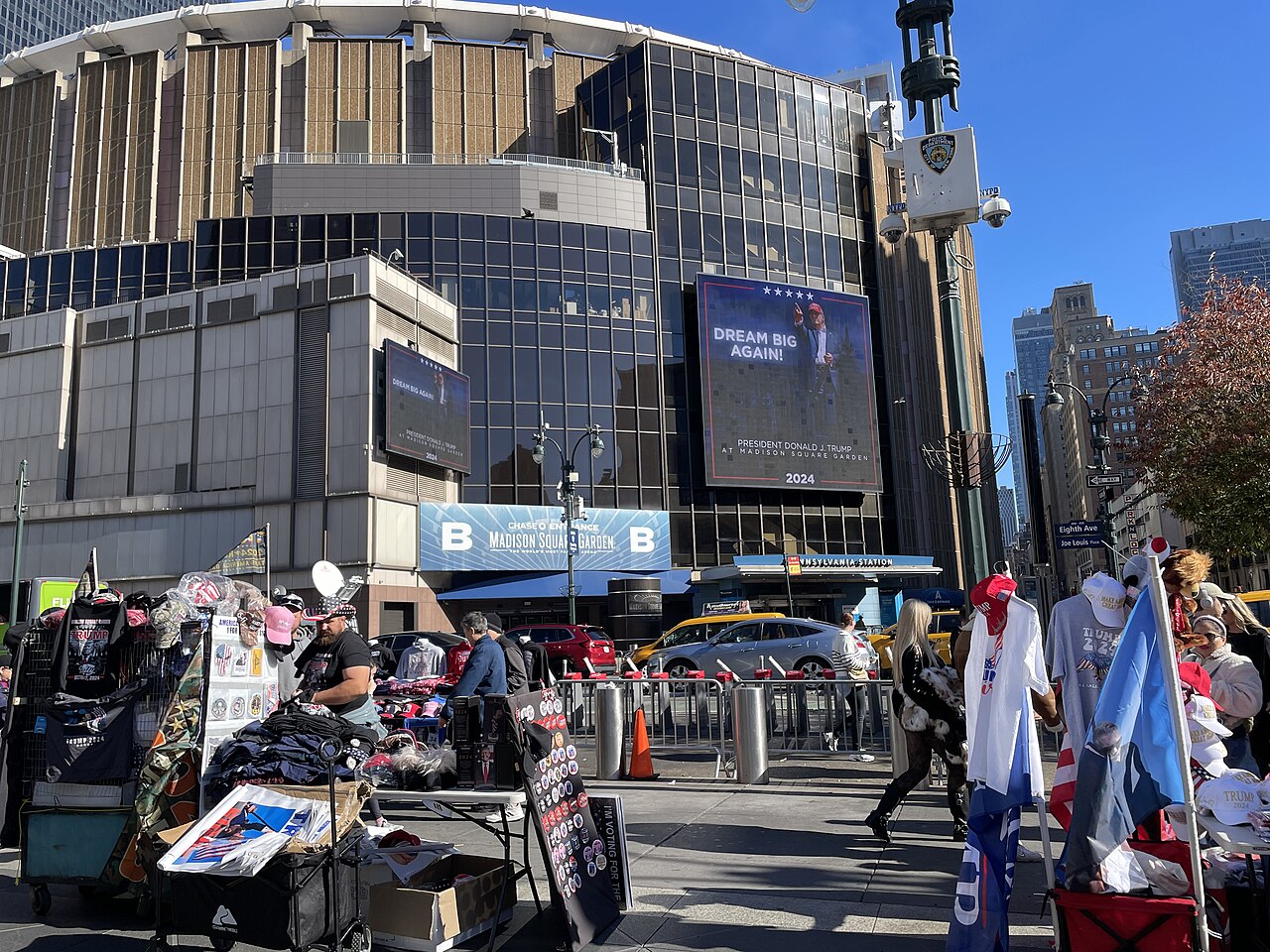
Madison Square Garden, often called “The Garden,” is one of the most famous sports and concert arenas in the world. It sits directly above Penn Station in Midtown Manhattan, close to many major attractions like the Empire State Building area and a short ride from Times Square.
The arena hosts:
- New York Knicks (NBA)
- New York Rangers (NHL)
- College basketball, boxing, concerts, and special events
Because it is built on top of a major rail hub, using public transit is usually the fastest and most reliable way to get there.
Subway Options to Madison Square Garden
The subway is the most efficient option for most New Yorkers and visitors.
- Primary station: 34th Street–Penn Station
- Subway lines serving Penn Station: 1, 2, 3
From the 1, 2, or 3:
- Exit at 34th Street–Penn Station
- Follow signs for Madison Square Garden or 7th Avenue / 8th Avenue exits
- Once you reach street level, you will see the Garden entrances around the block between 7th and 8th Avenues and 31st to 33rd Streets
Aim to arrive at least 45–60 minutes before game time. The station, escalators, and security lines all get crowded right before tipoff or puck drop.
Useful transfer points
If you are not already on the 1, 2, or 3, you can usually make an easy transfer at major hubs:
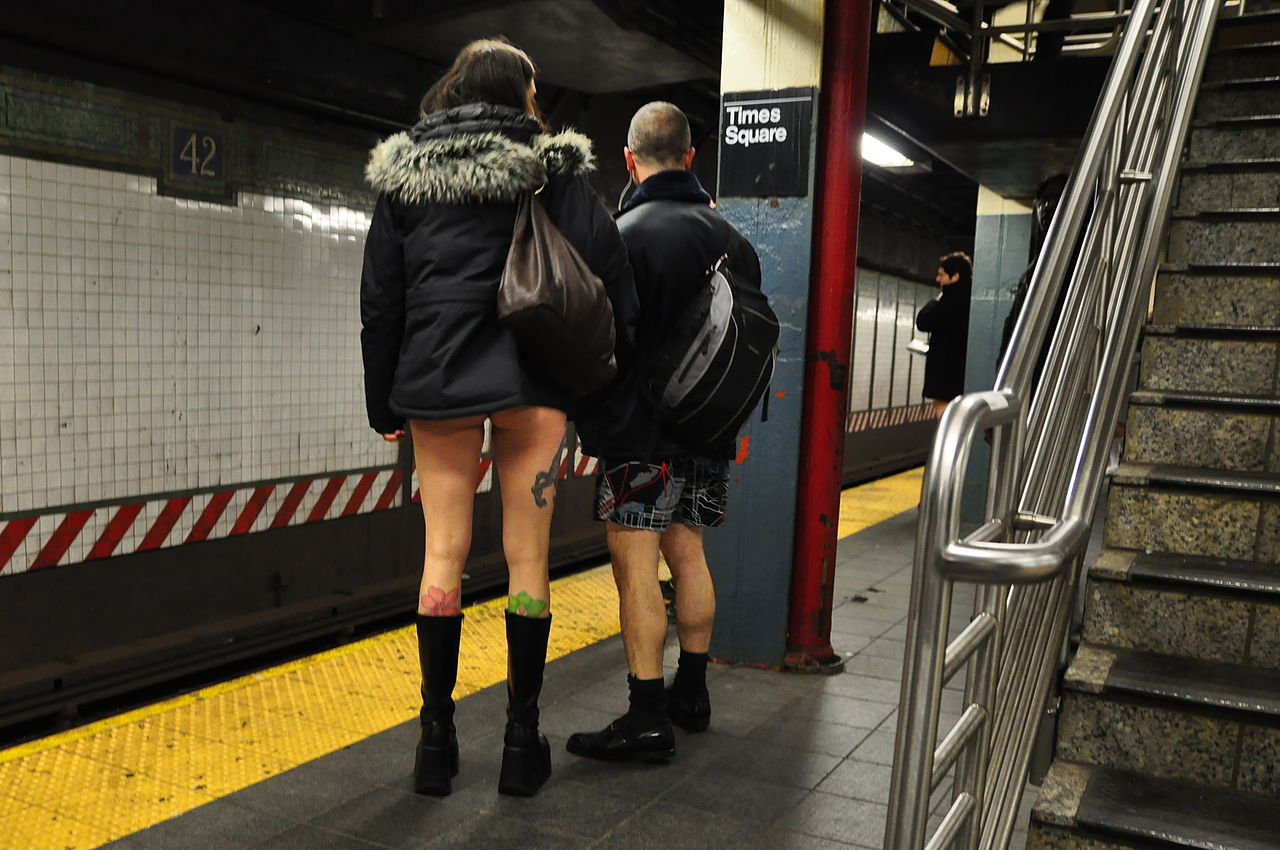
- Times Square: Connect from many lines, then transfer to the 1, 2, or 3.
- Grand Central Terminal: Take the Shuttle (S) or 7 line to Times Square, then transfer to the 1, 2, or 3 for Penn Station.
- 34th Street–Herald Square (via B, D, F, M, N, Q, R, W): From here, you can walk a few blocks west to Madison Square Garden.
If you are already near Central Park or the Metropolitan Museum of Art, head to a nearby station that connects to the 1, 2, or 3 via Times Square or Columbus Circle for a simple one-transfer trip.
Train and Bus Connections to Madison Square Garden
Madison Square Garden is built directly above one of the busiest rail hubs in the country. This makes it especially convenient if you are coming from outside Manhattan or from another state.
Regional rail: LIRR and NJ Transit
- Long Island Rail Road (LIRR):
- New Jersey Transit (NJT):
Once you arrive by LIRR or NJ Transit:
- Follow signs for Madison Square Garden inside the station.
- Use escalators or elevators to reach the concourse level and arena entrances.
MTA buses near Madison Square Garden
Multiple MTA bus routes travel along 7th Avenue, 8th Avenue, and 34th Street. Buses can be useful if you are already in Midtown and prefer surface travel. However, game day traffic and Midtown congestion can slow buses significantly.
Because of that, the subway is usually:
- More predictable
- Less affected by street closures or event traffic
- Faster during peak pre- and post-game periods
If you choose the bus, build in extra time and always check service alerts for any reroutes or delays.
Accessibility at Madison Square Garden and Penn Station
Madison Square Garden and the adjacent Penn Station include elevators, ramps, and accessible routes. Many subway platforms at Penn Station have elevator access, and regional rail areas also provide accessible paths.
If you need accessible routes:
- Allow extra time for elevator use, especially after games when lines can form.
- Check the MTA’s official site or service alerts for any elevator or escalator outages that might affect your route.
If you are traveling with someone who has mobility needs, consider arriving earlier than usual and leaving a bit after the final buzzer to avoid the tightest crowds around elevators and exits.
---
Convenient Travel to Yankee Stadium on Game Day
Yankee Stadium, in the Bronx, is home to the New York Yankees (MLB) and a key stop for baseball fans. The stadium is well connected by subway and is designed to handle large game day crowds.
Best subway routes to Yankee Stadium
- Primary station: 161st Street–Yankee Stadium
- Subway lines serving the station:
From Manhattan:
- Take the 4 train uptown to 161st Street–Yankee Stadium.
- Or take the B or D uptown to the same station.
From Midtown:
- Transfer at 42nd Street–Bryant Park for the B/D.
- Or use 59th Street–Columbus Circle to switch to the B/D and head north.
When you exit at 161st Street, the stadium is a short walk from the station, with clear signage and heavy pedestrian flow on game days.
Managing game day crowds at Yankee Stadium
The streets and sidewalks around Yankee Stadium can get very busy before and after games. The subway is usually the most reliable choice because:
- Traffic near the stadium often slows cars and buses.
- The station is designed to handle large numbers of fans.
- Trains typically run more frequently around game times.
Check service alerts for the 4, B, and D lines before you leave. Planned maintenance or weekend changes can affect which lines stop at 161st Street.
Accessibility at Yankee Stadium
Yankee Stadium offers:
- Elevators
- Accessible seating areas
- Ramps and accessible restrooms
The 161st Street–Yankee Stadium station also has accessible features. If you use mobility devices or travel with strollers, allow extra time to move with crowds and use elevators.
---
Exploring Citi Field: Getting to Mets Games in Queens
Citi Field, home of the New York Mets (MLB), sits in Queens next to Flushing Meadows–Corona Park, not far from attractions like the USTA Billie Jean King National Tennis Center.
Taking the subway to Citi Field
- Primary station: Mets–Willets Point
- Subway line serving the station: 7 line
From Midtown Manhattan:
- Take the 7 train eastbound from hubs like Times Square or Grand Central.
- Ride to Mets–Willets Point, which is a short walk from the ballpark.
The 7 line can be busy on game days and during rush hours, so expect standing-room-only trains at peak times and allow extra time for the ride.
If you are visiting other Queens destinations or One World Observatory or Brooklyn Bridge earlier in the day, plan your route with a transfer to the 7 at a major hub such as Times Square.
Additional transit options for Citi Field
Citi Field is also served by:
- Long Island Rail Road (LIRR):
- MTA buses:
Because of variable traffic conditions, many fans prefer:
- Subway for reliability
- LIRR for a more comfortable ride from Long Island
Accessibility at Citi Field
Citi Field offers:
- Accessible seating in multiple sections
- Elevators and escalators
- Accessible restrooms and amenities
The Mets–Willets Point station includes accessible features that make it easier for fans with mobility needs to reach the stadium area.
---
Reaching Barclays Center in Brooklyn
Barclays Center is the home of the Brooklyn Nets (NBA) and hosts concerts, college basketball, and other major events. The arena sits at a major Brooklyn transit hub, making it one of the easiest venues to reach by public transport.
Subway routes to Barclays Center
- Primary station: Atlantic Avenue–Barclays Center
- Subway lines serving the station:
From Manhattan:
- Take any of the lines above toward Brooklyn.
- Exit at Atlantic Avenue–Barclays Center and follow signs to the arena.
You can transfer to these lines at major hubs such as:
- Times Square for the N, Q, R and connections to 2, 3.
- 34th Street–Herald Square for the B, D, N, Q, R and a short walk to other lines.
The station has multiple exits, and the arena is visible directly outside some of them.
After the event, platforms can get crowded. If you are flexible on time, consider waiting a few minutes before heading into the station to avoid the tightest rush.
Additional transit options to Barclays Center
- LIRR to Atlantic Terminal:
- MTA buses:
Accessibility at Barclays Center
Barclays Center is designed with accessibility in mind:
- Elevators and accessible entrances
- Accessible seating areas
- Clear wayfinding for fans with mobility or sensory needs
The Atlantic Avenue–Barclays Center station and Atlantic Terminal also include accessible features. As always, check service alerts for any temporary elevator or escalator outages.
---
Paying Your Fare: OMNY, Base Fares, and Passes
Understanding how to pay your fare makes game day travel much smoother.
Using OMNY on game day
OMNY is the MTA’s contactless fare payment system and is the standard way to pay for subways and buses.
- Base fare: $3.00 per subway or local bus ride
- How to use OMNY:
- Or tap a digital wallet on your phone or smartwatch
- Tap once per rider at the OMNY reader on the turnstile or bus
The system automatically deducts the fare. You do not need a separate physical card if you have a compatible payment method.
Always use the same card or device for all your taps during a trip so that any fare capping or discounts (if available) apply correctly.
MetroCard phase-out
MetroCard is being phased out and is no longer the primary payment method after January 2026. If you still have an old MetroCard, check the MTA’s official resources for details on any remaining usage or balance transfer options.
For current options, visit the MTA’s fares page to review:
- Available OMNY payment methods
- Any unlimited ride products or passes
- Reduced-fare programs for eligible riders
---
Practical Tips for Game Day Transit in NYC
Game day travel in New York City is manageable if you plan ahead and stay flexible.
Plan ahead and check service alerts
Before leaving for any venue:
- Review service alerts for subway, bus, and rail.
- Look for:
- Late-night service changes
- Any partial station closures
This is especially important if you are transferring between lines or using stations you are not familiar with.
Travel timing and crowd strategies
To make your trip smoother:
- Travel off-peak when possible:
- Arrive early:
- Stay patient after games:
If you are meeting friends, pick a clear meeting point inside the station or just outside the venue rather than “by the entrance,” which can be crowded and confusing.
Weather and comfort
New York’s weather changes quickly, and parts of your trip may involve walking or waiting outdoors:
- Check the forecast before you leave.
- Dress in layers during colder months.
- Bring a small umbrella or rain jacket if rain is possible.
- Wear comfortable shoes; you will likely walk several city blocks, even with good transit connections.
---
Frequently Asked Questions About Getting to Madison Square Garden and NYC Venues
How do I pay for transit in NYC?
Use OMNY for easy, contactless fare payments. Tap your contactless credit or debit card, or a mobile wallet on your phone or smartwatch, at the OMNY reader on the turnstile or bus. The base fare is $3.00 per ride. For more details on fare options and any unlimited products, visit the MTA’s fares page.
What is the best way to get to Madison Square Garden?
The most direct way to get to Madison Square Garden is by subway on the 1, 2, or 3 lines to 34th Street–Penn Station, which sits directly beneath the arena. From there, follow signs for Madison Square Garden and use escalators, stairs, or elevators to reach the entrance level.
Can I use the MetroCard after January 2026?
MetroCard is being phased out by January 2026. After that, OMNY is the primary way to pay for subways and buses. If you still have a MetroCard, check the MTA’s official website and fares information for the latest guidance on remaining usage and balance transfers.
Are there discounts available for group travel?
The MTA does not typically offer special group discounts for regular subway or bus rides. However, if you plan to travel frequently during your visit, consider any unlimited ride products or fare caps described on the fares page. These can help lower your average cost per ride if you are making many trips over a short period.
Is it safe to take the subway to games at night?
Many fans use the subway for evening and night games. Trains serving major venues like Madison Square Garden, Yankee Stadium, Citi Field, and Barclays Center usually have plenty of riders around game times. As with any big city, stay aware of your surroundings, keep valuables secure, and follow posted guidance from the MTA and local authorities.
How do I check if my route is running normally?
Before you leave, visit the MTA’s service alerts page. You can see:
- Line-specific changes
- Planned construction work
- Any unexpected disruptions
Checking alerts helps you adjust your route early if needed, especially on weekends or late nights.
---
Conclusion: Getting to Madison Square Garden and NYC Sports Venues
Reaching Madison Square Garden and other major sports venues in New York City is straightforward when you use the city’s extensive transit network. With direct subway service to 34th Street–Penn Station, plus connections from Times Square, Grand Central Terminal, and regional rail, the Garden is one of the easiest arenas to reach without a car. The same is true for Yankee Stadium, Citi Field, and Barclays Center, all of which sit on key subway lines.
For a smooth game day:
- Use OMNY and budget for the $3.00 base fare.
- Check service alerts before you go.
- Arrive early to beat the biggest crowds.
- Plan your route using major hubs and accessible stations.
With a little preparation, you can spend less time worrying about directions and more time enjoying the game, the atmosphere, and everything that New York City sports have to offer.