What's New on New York City Transit: Latest Service Changes and Upgrades

# New Subway Line Extensions and Station Upgrades
Navigating the fast-paced, ever-evolving landscape of New York City transit can be a challenge. With the Metropolitan Transportation Authority (MTA) continuously enhancing its services, keeping up with the latest changes is crucial for both residents and visitors. This guide explores new subway line extensions and station upgrades, plus fare and technology changes, so you can plan smarter trips across the city. From station openings to OMNY payment updates, use this overview alongside official MTA information to stay current.
New Subway Line Extensions and Station Upgrades in NYC
Recent expansions and upgrades have improved connectivity and efficiency across New York City's subway system. These projects aim to enhance accessibility, reduce crowding, and shorten trips between key neighborhoods and landmarks.
Second Avenue Subway Extension and Q Line Improvements
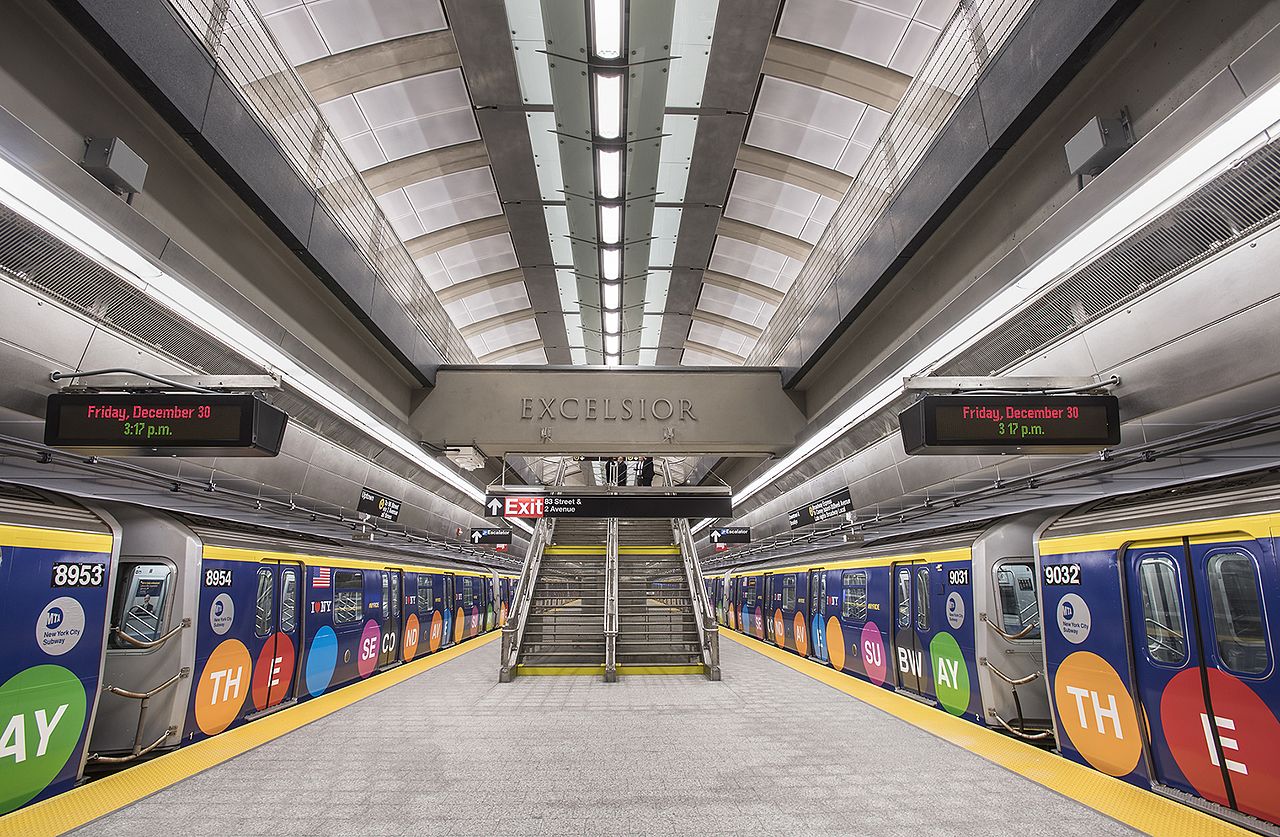
The much-discussed extension of the Second Avenue Subway has brought new stations to the east side of Manhattan, extending the Q Line beyond its previous terminus and giving riders more options between Uptown and Midtown.
- New stations: The extension includes stations at 72nd Street, 86th Street, and 96th Street.
- Better Midtown access: Riders on the Upper East Side can connect more easily to major hubs like Times Square and Grand Central Terminal.
- Accessibility: New stations are designed with elevators, escalators, and clearer wayfinding to improve access for all riders.
These stations help relieve pressure on nearby lines and provide an alternative to crowded crosstown buses. Many riders now combine the Q with other lines to reach destinations around Central Park, the Empire State Building, and downtown.
When planning a trip along the east side, compare routes that use the Q via Second Avenue with those using older lines. Travel times can differ based on time of day and transfer points, so always confirm with the MTA’s trip planner or official app.
Upgrades at Iconic and High-Traffic Stations
Significant improvements at key stations aim to enhance passenger experience, increase capacity, and support smoother transfers to nearby attractions.
- Brooklyn Bridge: Platform upgrades and improved lighting enhance safety, visibility, and comfort, especially during busy commuting hours and tourist peaks.
- Empire State Building: Renovated concourses and additional exits help disperse crowds more efficiently and make it easier to find street-level access near the landmark.
These upgrades focus on clearer signage, more intuitive circulation, and better lighting in corridors and platforms. That makes it easier to orient yourself when transferring between lines or heading to nearby attractions like the One World Observatory or Statue of Liberty ferry connections.
Before visiting a major landmark, check service alerts for any planned work at nearby stations. Construction can change entrances, exits, or transfer paths on short notice.
How New Extensions Affect Popular NYC Destinations
New and upgraded stations can change the “best” route to famous sites, especially when combined with real-time service information.
Reaching Midtown and Tourist Hubs More Efficiently
With improved east-side service and upgraded hubs, riders have more flexibility in choosing routes to busy destinations:
- Times Square and Theater District: Use the Q via Second Avenue to reach Midtown, then transfer at Times Square for other lines across Manhattan and to the outer boroughs.
- Grand Central Terminal: Riders from the Upper East Side can use new stations to connect efficiently to Grand Central Terminal and continue on commuter rail or other subway lines.
- Central Park and Museums: Improved access around Central Park and the Metropolitan Museum of Art gives museum-goers and park visitors more accessible station choices.
For downtown attractions like the Brooklyn Bridge and One World Observatory, upgraded stations help manage heavy tourist traffic and make transfers clearer.
When traveling between multiple attractions in one day, group destinations by neighborhood and use the MTA’s trip planner to minimize backtracking and unnecessary transfers.
Fare Changes and Payment Methods on NYC Transit
In an effort to modernize and streamline fare collection, the MTA has updated payment options and introduced more flexible pricing tools. Understanding these changes helps you avoid overpaying and speeds up your station entry.
OMNY Takes the Lead as MetroCard Phases Out
The OMNY contactless payment system is now the primary method for fare payment, with the MetroCard set to be fully phased out by January 2026.
- How to pay: Tap a contactless bank card, OMNY card, or mobile wallet at OMNY readers on subways and local buses.
- System-wide use: OMNY works across all MTA subways, buses, and the Staten Island Railway.
- Base fare: The standard subway and local bus fare is $3.00. Riders who travel frequently can benefit from passes and fare capping.
Because OMNY charges you per tap, there is no need to refill a card or estimate how many rides you will need in advance. You simply tap and go, and eligible fare caps apply automatically.
Use the same card or device for every tap during the week so the system can apply fare capping correctly to your account.
How Fare Capping Works for Frequent Riders
Fare capping helps riders avoid paying more than the cost of an equivalent unlimited pass, without deciding upfront which pass to buy.
- Automatic savings: Once your OMNY taps reach the cost of a 7‑day fare cap within a rolling seven-day period, additional trips in that period are free.
- No commitment: You do not need to pre-purchase a weekly pass; the system tracks your taps and applies the cap automatically.
- Best for regular riders: Commuters who ride multiple times per day and visitors staying a full week often benefit most.
Always confirm exact fare cap amounts and rules on the official MTA fares page, as pricing and eligibility can change.
Create an OMNY account and register your card or device. This lets you review trip history, track weekly spending toward fare caps, and manage lost or stolen cards more easily.
Service Frequency and Reliability Improvements
The MTA continues to adjust schedules and deploy new technology to improve reliability and reduce wait times. While exact frequencies vary by time of day and line, several core improvements stand out.
Increased Service on Key Subway Lines
In response to ridership patterns, the MTA has increased service on several heavily used routes, especially during peak commuting periods.
- Line 1 and Line 6: More trains operate during morning and evening rush hours to reduce crowding and shorten waits.
- Weekend enhancements: On popular lines that serve major attractions and shopping districts, additional weekend trains help accommodate tourists and local weekend riders.
Actual train intervals depend on time of day, planned work, and operational needs. Always check current schedules and alerts before traveling, particularly late at night or on weekends.
If your usual line is experiencing delays, use the MTA app’s “Nearby” feature to see alternate routes using other lines or buses.
Technological Upgrades and Real-Time Information
Modern signaling and digital tools help keep trains moving more consistently and give riders better information.
- CBTC signaling: Communications-Based Train Control (CBTC) on the L Line supports more frequent and reliable service by allowing trains to run closer together while maintaining safety.
- Real-time tracking: The MTA’s official app and station countdown clocks show train arrival estimates and service changes in real time, helping you decide whether to wait or reroute.
These tools reduce uncertainty and make transfers less stressful. Riders can adjust on the fly when unplanned disruptions occur.
Enable notifications in the MTA app for your most-used lines and stations so you receive push alerts about delays or planned work before you leave home.
Accessibility Enhancements Across the Subway System
Accessibility remains a core focus as the MTA works to make more stations usable for riders with mobility, vision, or hearing impairments.
New Elevators, Escalators, and Wayfinding
Recent installations and upgrades at high-traffic and tourist-heavy stations improve step-free access and clarity.
- Central Park: New elevators provide step-free paths between street level and platforms, making it easier for wheelchair users, travelers with strollers, and riders with luggage.
- Metropolitan Museum of Art: Additional escalators and improved signage support smoother flows between platforms, exits, and museum-adjacent streets.
These upgrades complement tactile warning strips, clearer audio announcements, and visual information displays, which help riders with different accessibility needs navigate more confidently.
Use the MTA’s online station accessibility maps and trip planner to filter for stations with elevators or ramps before you travel.
Assistance Programs and Support for Riders with Disabilities
Beyond physical upgrades, the MTA offers services tailored to riders who cannot always use the standard subway or bus network.
- Access-A-Ride: A paratransit program that provides shared-ride, door-to-door service for eligible riders whose disabilities prevent them from using regular subways or buses.
- Staff and announcements: At major hubs, station staff can assist with directions, elevator access, and boarding. Systemwide audio and visual announcements help riders follow stops and service changes.
Eligibility rules, booking procedures, and service areas for Access‑A‑Ride are detailed on the MTA’s official website. Riders should review those guidelines and apply well before they need the service.
If you rely on elevators, always check alerts for elevator outages before you depart, and identify at least one alternate accessible station on your route.
Environmental Initiatives and Sustainability Efforts
The MTA plays a central role in reducing New York City’s transportation emissions by moving millions of riders daily on shared transit. Recent initiatives aim to further lower the system’s environmental footprint.
Electric Buses and Greener Station Operations
Transitioning to cleaner vehicles and more efficient facilities is a long-term sustainability goal.
- Electric bus fleet: The MTA is working toward a fully electric bus fleet by 2040, which will reduce tailpipe emissions and improve air quality along busy routes.
- Energy-efficient stations: Many stations now feature LED lighting, upgraded ventilation, and waste reduction programs to cut energy use and improve station environments.
These efforts complement the inherent environmental benefits of subways and buses, which already move far more people per vehicle than private cars.
When you have a choice between driving and transit, remember that even a short subway or bus ride can significantly reduce your personal carbon footprint.
Community Engagement and Sustainable Travel Choices
The MTA collaborates with communities, advocates, and environmental organizations to promote sustainable travel.
- Public workshops and forums: Community meetings allow riders to give feedback on proposed projects, station designs, and service changes that affect local neighborhoods.
- Partnerships: The MTA works with environmental and planning groups to encourage transit-oriented development, safer walking routes to stations, and multimodal connections like bike parking.
These efforts help ensure that new extensions and upgrades support both mobility and climate goals.
Combine walking or biking with transit for shorter trips. Many stations are within a 10–15 minute walk of major destinations, which can save time compared with transferring.
Practical Tips for Navigating New Subway Extensions and Upgrades
Adapting to a changing transit system is easier when you use the tools and features the MTA provides.
Planning Efficient Routes with New Stations and OMNY
Use a combination of digital tools and on-the-ground information to make the most of new options.
- Stay informed: Follow official MTA channels, subscribe to email updates, and check alerts before major trips.
- Leverage transfers: Use free transfers between subway lines and local buses to reach destinations like the Statue of Liberty ferry or Brooklyn Bridge viewpoints with fewer out-of-pocket costs.
- Travel off-peak: When possible, ride outside weekday rush hours for more space and less stress, especially with luggage or large groups.
Save your most-used stations and lines in the MTA app so you can quickly check service changes that affect your regular routes.
Using Apps and Tools for Real-Time Navigation
Digital tools make it easier to adapt when service changes or delays occur.
- Official MTA app: Check real-time arrivals, outage information, and planned work for subways, buses, and rail.
- Third-party apps: Use reputable transit planning apps alongside official data to compare routes and see walking times between stations and attractions.
- Accessibility filters: When planning trips with mobility needs, filter for accessible stations and check elevator status in advance.
Screenshot your route before going underground, especially if you rely on mobile data. This gives you a backup reference if cell service is weak.
FAQ: New Subway Line Extensions, OMNY, and Station Upgrades
How do new subway extensions change travel across New York City?
New subway line extensions and station upgrades create more direct routes, especially along the east side of Manhattan. Riders on the Upper East Side can reach Midtown and major hubs like Times Square and Grand Central Terminal more efficiently, while upgraded stations near landmarks such as the Empire State Building and Brooklyn Bridge improve crowd flow and accessibility. Always confirm current routes and transfer options using the MTA’s trip planner.
What are the new payment options on the MTA, and is cash still accepted?
The MTA’s primary payment system is OMNY, which allows you to tap a contactless card, OMNY card, or mobile wallet at subway turnstiles and on buses. The standard base fare is $3.00 per ride. The MetroCard will be phased out by January 2026. For the most up-to-date information on cash options, reduced fares, and where OMNY is accepted, check the official MTA fares page.
How have service frequency and reliability changed on the subway?
The MTA has increased service on key lines, including the Line 1 and Line 6, especially during peak commuting hours. Modern signaling, such as CBTC on the L Line, supports more reliable and frequent service. However, exact frequencies vary by time of day and are subject to change due to maintenance or disruptions. Check the MTA app or alerts for current schedules and any planned work.
What accessibility and environmental improvements should riders know about?
Accessibility upgrades include new elevators, escalators, and improved signage at major stations like Central Park and Metropolitan Museum of Art, plus services such as Access‑A‑Ride for eligible riders. Environmentally, the MTA is moving toward a fully electric bus fleet by 2040 and implementing energy-efficient station improvements. These changes aim to make the system more inclusive and sustainable for all riders.
Conclusion: Making the Most of New Subway Line Extensions and Station Upgrades
Understanding new subway line extensions and station upgrades helps you navigate New York City more confidently, whether you are commuting daily or visiting for a few days. With OMNY contactless payments, fare capping, accessibility improvements, and ongoing environmental initiatives, the MTA is reshaping how riders move around the city. For the latest details on routes, fares, and station work, always rely on official MTA resources like fares and alerts. Stay informed, plan ahead, and you will be well-positioned to take full advantage of New York City’s evolving transit network.
Before every major trip—especially on weekends or holidays—check the MTA’s official website or app for the most current schedules, planned work, and station accessibility updates.