New York City Transit Expansion Plans: New Lines and Stations Coming Soon
# Second Avenue Subway Expansion: Phases and Plans
As the bustling city of New York continues to grow, so does the demand for an efficient and expansive transit system. The Metropolitan Transportation Authority (MTA) is actively working on several transit expansion projects aimed at easing congestion and improving connectivity across the city. This ambitious plan promises to bring new lines and stations to the Big Apple, making it easier for commuters and tourists alike to navigate the urban jungle. In this guide, we’ll focus on the Second Avenue Subway expansion: phases and plans, while also looking at related projects that reshape how New Yorkers move around the city.
Second Avenue Subway Expansion: Phases and Plans Overview
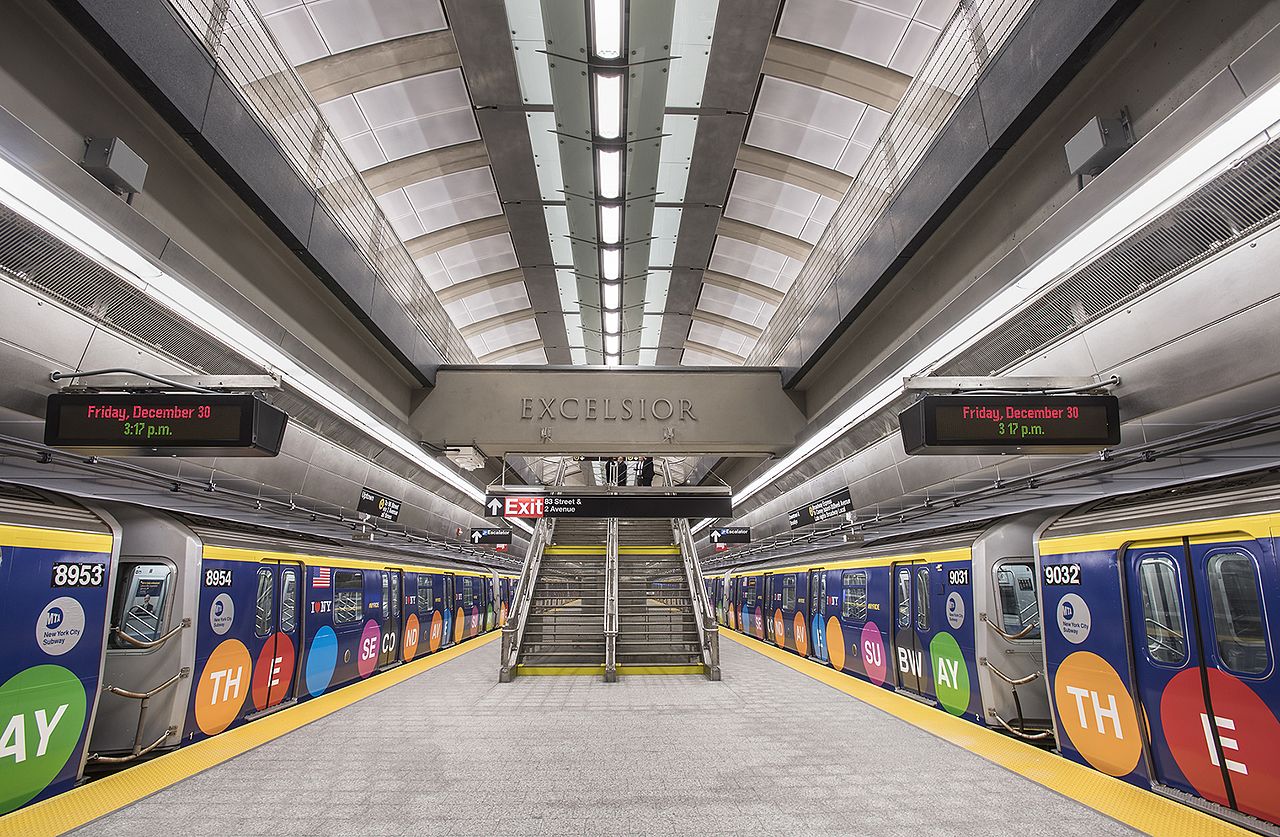
The Second Avenue Subway is a critical element in alleviating congestion on the crowded Lexington Avenue Line (Line 4, 5, 6). Phase 1 opened in 2017 and introduced Q train service from 63rd Street to 96th Street on the Upper East Side. This helped relieve crowding on existing lines and improved access to major Manhattan destinations such as Times Square, Central Park, and Grand Central Terminal via transfers.
Now, Phases 2 and 3 are on the horizon. These phases will extend the line north into East Harlem and, in later stages, further south through Midtown and Lower Manhattan. Together, they are designed to:
- Reduce crowding on existing east side subway lines
- Improve access for underserved neighborhoods, especially East Harlem
- Create new transfer opportunities to commuter rail and other subway lines
For the latest project milestones and funding updates, check the MTA’s official Second Avenue Subway information and current service alerts before planning long-term commuting changes.
---
Phase 2 of the Second Avenue Subway: Extending to Harlem
Phase 2 of the Second Avenue Subway will extend the line from 96th Street to 125th Street, introducing new stations at 106th Street, 116th Street, and 125th Street. This extension will bring subway service deeper into East Harlem, a neighborhood that currently relies heavily on the Lexington Avenue Line and buses.
What Phase 2 Will Include
- New Stations: 106th Street, 116th Street, 125th Street
- Key Connection: Direct link to the Metro-North Railroad at 125th Street
- Primary Goal: Reduce crowding and improve access for East Harlem residents
The 125th Street station is planned as a major transfer hub. Riders will be able to connect between the Second Avenue Subway, existing subway service, and Metro-North trains serving the northern suburbs and parts of Connecticut. This makes it easier for commuters to reach key destinations like One World Observatory, Brooklyn Bridge, and the Metropolitan Museum of Art with fewer transfers.
How Phase 2 Helps East Harlem Riders
The completion of Phase 2 will improve access to East Harlem, a historically underserved area. By adding stations closer to where people live, it reduces the need to walk or take buses over to Lexington Avenue.
- Riders near 106th and 116th Streets will have shorter walks to the subway.
- Additional capacity on the east side will ease pressure on existing lines.
- A new 125th Street transfer point will give East Harlem residents more options to reach Midtown and beyond.
Instead of crowding onto the Lexington Avenue Line, many riders will be able to use the Second Avenue Subway for trips to Midtown and connections to other lines. This can shorten overall travel times, especially during rush hours, even though exact minutes saved will vary by origin and destination.
Once Phase 2 opens, compare your old route with new Second Avenue options using the MTA’s trip planner. You may find a faster or less crowded path to Midtown or downtown.
---
Phase 3: Future Southward Expansion of the Second Avenue Subway
Phase 3 is planned to continue the Second Avenue line southward through Midtown and toward Lower Manhattan. While specific station locations and timelines are still evolving, the goal is to connect more neighborhoods along Manhattan’s east side and create new transfer opportunities to existing subway lines and key destinations.
Anticipated Features of Phase 3
- Southward Extension: Continuing below 63rd Street into Midtown and beyond
- Additional Stations: New stops along Second Avenue (details subject to planning and funding)
- Better Downtown Access: Easier trips to Lower Manhattan and the Financial District
Phase 3 is expected to make it more convenient to reach downtown hubs and attractions, including the World Trade Center area and connections to routes serving the Statue of Liberty and Brooklyn Bridge. As planning advances, the MTA will release more precise station locations, construction schedules, and service patterns.
What Riders Should Expect from Phase 3
Because Phase 3 is still in the planning and design stages, many details can change as funding, engineering, and community input shape the final project. However, you can expect:
- More capacity on the east side, reducing pressure on crowded lines
- Additional transfer points to existing subway routes
- Better distribution of passenger loads across Manhattan’s network
For long-term planning, treat Phase 3 as a future enhancement rather than a near-term change. Always confirm timing and details on the MTA’s official site and alerts page.
---
Penn Station Access: Connecting the Bronx to Midtown West
While the Second Avenue Subway focuses on Manhattan’s east side, the Penn Station Access project will improve access to Midtown West for riders from the Bronx and beyond. This project will allow certain commuter rail trains to serve Penn Station, giving riders more options and reducing the need to travel through other hubs first.
New Stations in the Bronx
The project proposes establishing new stations at strategic locations to enhance connectivity and reduce travel times for Bronx commuters:
- Proposed Stations: Hunts Point, Parkchester/Van Nest, Morris Park, Co‑Op City
- Line Integration: Certain New Haven Line trains will run to and from Penn Station
- Key Benefit: More direct access to Midtown West job centers
These stations are designed to bring commuter rail service closer to residential neighborhoods that currently rely mostly on buses and subways. For many riders, this will mean fewer transfers and more direct trips to work or school.
How Penn Station Access Changes Commutes
By providing a new path into Manhattan, Penn Station Access can reduce crowding on existing subway lines and buses that currently funnel riders to Midtown. Instead of traveling to Grand Central Terminal and then crossing town, some riders will be able to go straight to Penn Station.
- Fewer transfers for riders heading to the west side of Midtown
- New options for reaching major employment centers and transit links
- Potential travel time savings, depending on origin and destination
If you live near one of the proposed stations and commute regularly to Midtown, review your fare options on the MTA’s fares page. Monthly and weekly passes can significantly lower your per-trip cost.
---
LIRR Capacity Improvements: Third Track and More Reliable Service
The Long Island Rail Road (LIRR) third track project is a major expansion designed to increase capacity and improve reliability between Long Island and New York City. By adding an additional track along a key corridor, the LIRR can run more trains and recover more quickly from disruptions.
LIRR Third Track Project Highlights
- Track Addition: A third track along a key stretch between Floral Park and Hicksville
- Impact on Service: Enables more trains during busy periods
- Benefits: Reduces delays caused by limited track capacity and improves reverse-peak travel
With more track capacity, the LIRR can schedule additional peak-direction trains and also improve service for people traveling from New York City to Long Island in the morning (reverse-peak). This is especially helpful for workers and students who commute to Long Island job centers.
What Riders Can Expect on the LIRR
Passengers traveling from Long Island to New York City will see more frequent service options and fewer bottlenecks. The additional track gives dispatchers more flexibility to route trains around incidents and keep service moving.
Always confirm current LIRR timetables and any service changes on the MTA’s alerts page before commuting, especially during peak hours or planned construction work.
---
Metro-North Penn Station Access: New Connections for the Region
Alongside Penn Station Access for Bronx riders, the Metro-North Penn Station Access project will, for the first time, allow certain Metro-North trains to serve Penn Station. This will broaden choices for riders from the Bronx and nearby suburbs.
New Routes and Stations for Metro-North Riders
- Planned Service Pattern: Portions of the New Haven Line to operate into Penn Station
- New Stations: Hunts Point, Parkchester/Van Nest, Morris Park, Co‑Op City
- Regional Benefit: More direct access to Manhattan’s west side from the Bronx and parts of Westchester and Connecticut
By adding these new stations and routing some trains to Penn Station, Metro-North will give riders alternatives to traveling only through Grand Central Terminal. This can ease crowding and create more flexibility for commuters.
How Metro-North Penn Station Access Fits with Other Projects
Metro-North Penn Station Access works in tandem with the broader Penn Station Access initiative. Together, they:
- Support economic development in Bronx neighborhoods near the new stations
- Provide more travel options to job centers across Manhattan
- Help balance passenger loads between Grand Central and Penn Station
When this service begins, you’ll be able to pay using the OMNY system on connecting transit. Check the MTA’s fares page for how OMNY integrates with commuter rail tickets and transfers.
---
Accessibility Improvements: Building an Inclusive Transit Network
As part of its expansion and modernization plans, the MTA is also focused on making the transit system more accessible. This includes adding elevators, ramps, and other features that comply with the Americans with Disabilities Act (ADA) at both new and existing stations.
Key Accessibility Upgrades Across the System
- Elevators and Ramps: Designed into all new stations, including those on the Second Avenue Subway
- Existing Stations: Accessibility upgrades at major hubs such as Brooklyn Bridge and near Central Park
- Fare Technology: The OMNY contactless payment system improves accessibility for riders who may have difficulty handling physical tickets or cards
These improvements aim to make it easier for riders with mobility impairments, parents with strollers, seniors, and travelers with luggage to move through the system. New stations built under expansion projects are being designed with accessibility in mind from the start, rather than retrofitted later.
Before you travel, review the MTA’s accessible station maps and real-time elevator and escalator status, and combine that with service alerts to avoid unexpected barriers.
---
Paying for Your Ride: OMNY and Base Fares
As the network grows, the MTA is also simplifying how you pay for transit. The base subway and local bus fare is $3.00, and OMNY is becoming the standard way to pay.
OMNY and the Future of MetroCard
- Base Fare: $3.00 for subways and local buses
- Payment System: OMNY contactless taps with a phone, wearable, or bank card
- MetroCard Status: MetroCard is being phased out, with full replacement planned by January 2026
OMNY works across subways, buses, and is being expanded to integrate more seamlessly with commuter rail services. This helps riders transfer between local transit and services like the LIRR or Metro-North more easily, especially as new stations and lines open.
Visit the MTA’s fares page to see current OMNY options, including fare capping and passes that can save money if you ride frequently.
---
Practical Tips for Navigating NYC’s Transit Expansion
Navigating the expanding transit system in New York City can feel complex, but a few habits can make it much smoother.
Staying Ahead of Service Changes
- Stay Informed: Regularly check service alerts for construction updates, new station openings, and temporary reroutes.
- Plan Transfers: When the Second Avenue Subway expands, compare routes that use new stations with your existing path.
- Off-Peak Travel: If your schedule allows, travel during off-peak hours to avoid the heaviest crowds.
Managing Costs and Payment
- OMNY Ready: Transition to the OMNY payment system as MetroCard is phased out by 2026.
- Pass Options: For frequent travelers, consider weekly or monthly products listed on the fares page to reduce your per-trip cost.
- Commuter Rail + Subway: If you use LIRR or Metro-North plus the subway, review combination ticket options and transfer rules on official MTA resources.
Handling Construction and Detours
- Explore Alternatives: During construction phases for the Second Avenue Subway or Penn Station Access, explore alternative subway lines, buses, or walking routes.
- Allow Extra Time: Major construction projects can affect nearby lines or streets; build in a buffer, especially for airport trips or important appointments.
Bookmark the MTA’s trip planner and alerts page on your phone. Check them before leaving home, especially if you rely on lines affected by expansion projects.
---
FAQ: Second Avenue Subway Expansion and Related Projects
What are the main objectives of the NYC transit expansion plans?
The primary objectives are to alleviate congestion, improve connectivity across boroughs, and enhance system reliability and accessibility. Projects like the Second Avenue Subway expansion, Penn Station Access, and LIRR capacity improvements are designed to add new lines and stations, create more transfer points, and make the network easier to use for all riders.
When will the Second Avenue Subway Phase 2 be completed?
Phase 2 of the Second Avenue Subway has received significant planning and funding support, but large infrastructure timelines can change due to construction conditions and budget decisions. For the most accurate and current completion estimates, always refer to the MTA’s official project updates rather than relying on older projections.
How will the Penn Station Access project benefit Bronx residents?
Penn Station Access will give many Bronx residents more direct service to Midtown West, reducing the need to travel through other hubs first. New stations like Hunts Point, Parkchester/Van Nest, Morris Park, and Co‑Op City will bring commuter rail closer to where people live, potentially cutting transfers and making trips to job centers in Manhattan more convenient.
What is the OMNY payment system, and when will it fully replace MetroCard?
OMNY is the MTA’s contactless fare payment system. Riders can tap a contactless bank card, smartphone, or wearable at the turnstile or on a bus to pay the base fare of $3.00. According to current plans, OMNY is set to fully replace the MetroCard by January 2026, so riders should begin switching to OMNY-compatible payment methods now.
How will the Second Avenue Subway expansion affect existing subway lines?
By adding new capacity on Manhattan’s east side, the Second Avenue Subway is intended to reduce crowding on the Lexington Avenue Line and other nearby routes. As new stations open, some riders will shift from older, crowded lines to the new service, which can improve reliability and comfort across the network.
---
Conclusion: What the Second Avenue Subway Expansion Means for NYC Riders
The Second Avenue Subway expansion: phases and plans represent a major step toward a more balanced and resilient transit network in New York City. Phase 2 will bring long-awaited subway service deeper into East Harlem and connect to the Metro-North Railroad at 125th Street. Future phases aim to extend service further south, improving access to Midtown and Lower Manhattan.
Combined with projects like Penn Station Access, LIRR capacity improvements, and ongoing accessibility upgrades, these expansions will reshape how New Yorkers and visitors reach landmarks such as Times Square, Central Park, Brooklyn Bridge, and One World Observatory. To make the most of these changes, keep an eye on service alerts, review current fares, and get comfortable using OMNY as MetroCard is phased out. As each phase comes online, the city’s transit network will become more connected, more accessible, and better suited to the way New Yorkers travel today.