The Complete Guide to New York City's Busiest Transit Hub
# Navigating Grand Central Terminal: The Complete Guide to NYC’s Busiest Transit Hub
New York City’s transit network is a marvel of modern infrastructure, and at its heart lies the bustling Grand Central Terminal. As one of the busiest transit hubs in the city, it serves as a crucial junction for millions of commuters and visitors. With an intricate web of subway lines, commuter trains, and bus connections, navigating Grand Central Terminal can feel overwhelming without clear guidance. This station guide walks you through everything you need to know, from fares and OMNY payment to transfers, accessibility, and nearby attractions.
---
Navigating Grand Central Terminal Step by Step
Navigating Grand Central Terminal is essential for anyone traveling through New York City. The terminal is not just a transportation hub; it’s a destination in itself, with food, shopping, and historic architecture all under one roof.
Understanding the Layout of Grand Central
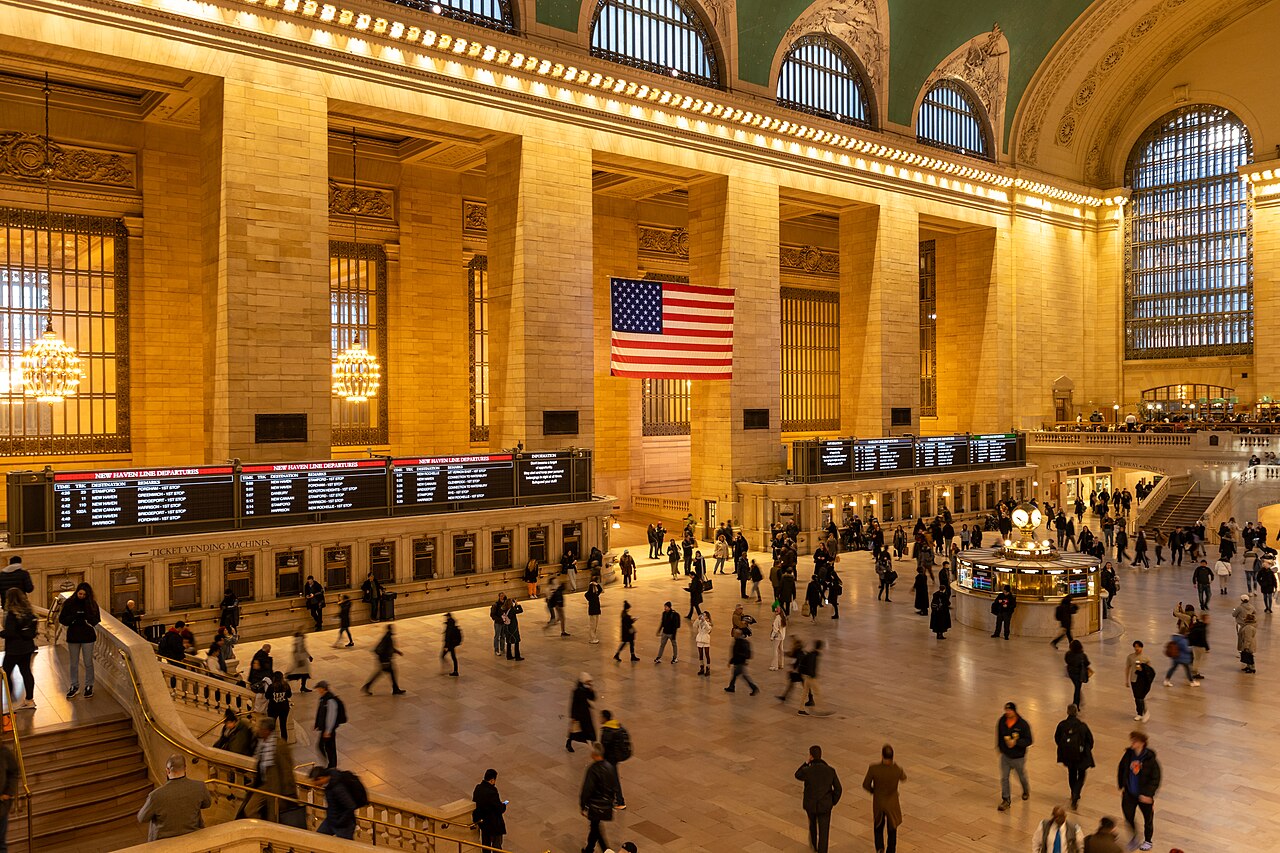
Grand Central Terminal is both functional and historic, with several key areas you’ll want to recognize quickly.
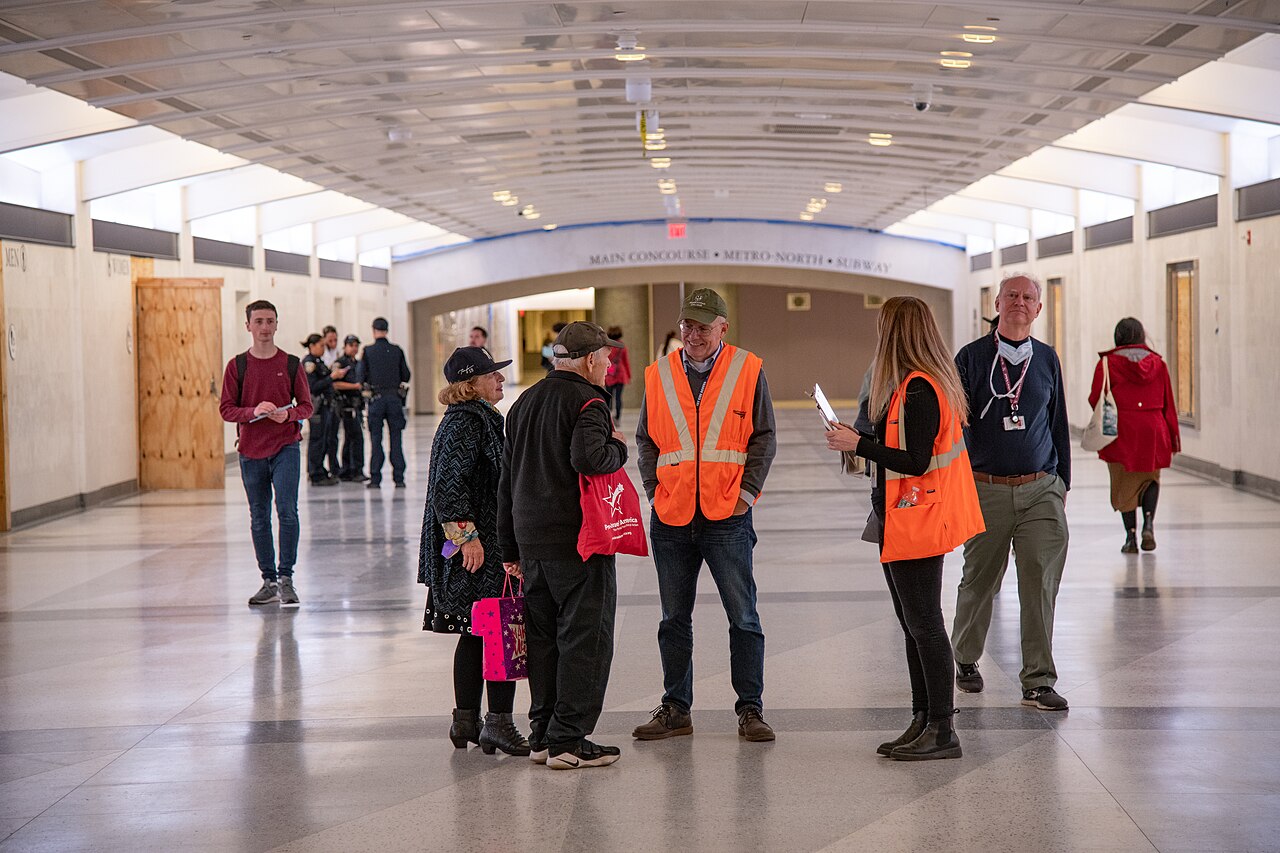
- Main Concourse
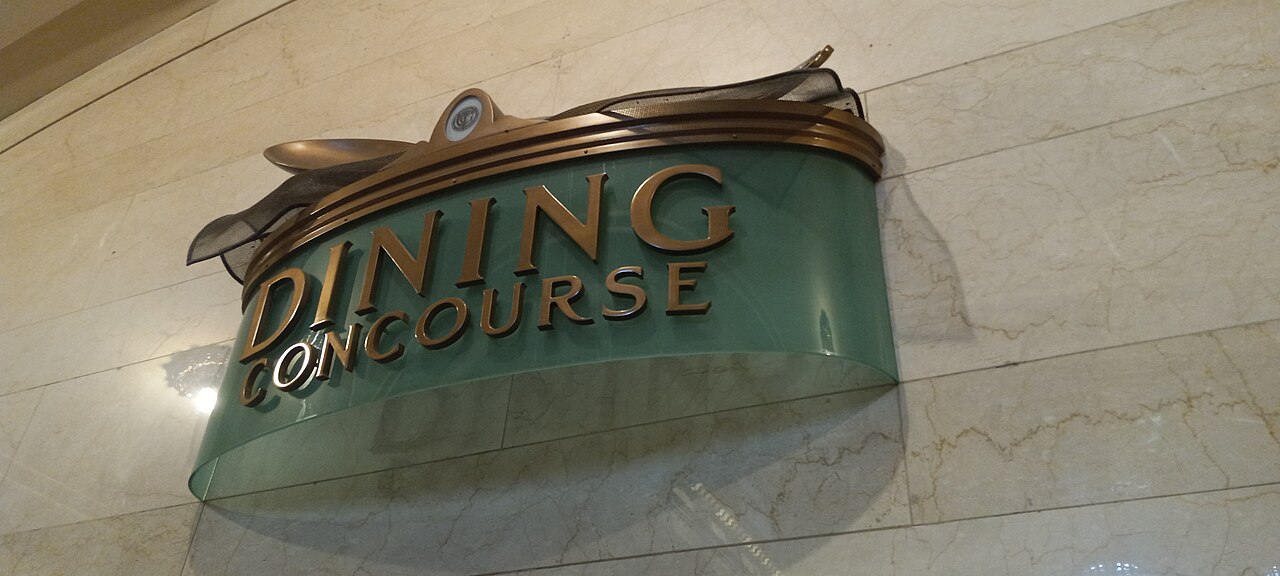
- Dining Concourse
- Vanderbilt Hall
Use the terminal’s official wayfinding tools or station maps posted throughout the building to locate stairways, elevators, and exits before you start walking. It can save you several minutes of backtracking.
Finding Signs, Exits, and Amenities
Grand Central has clear signage, but it helps to know what to look for.
- Follow white-on-black MTA signs for subway directions and exits.
- Look for “Subway 4 5 6 7 S” signs to reach the platforms.
- Restrooms, ticket windows, and customer assistance are marked on overhead boards and wall plaques.
- Elevators and accessible routes are indicated with the wheelchair symbol.
If you feel turned around, head back to the Main Concourse clock. From there, you’ll find the widest range of clearly marked exits and connections.
---
Key Subway Connections from Grand Central
Grand Central Terminal is a pivotal point in the MTA subway system, connecting you quickly to many parts of Manhattan and beyond. Always check service alerts for any planned work or disruptions that may affect your route.
East Side Access with the 4, 5, and 6 Subway Lines
The 4, 5, and 6 lines run along Manhattan’s East Side and are among the busiest in the system.
- 4 and 5 lines
- 6 line
From Grand Central, you can reach:
- The area around Central Park by taking a northbound 4, 5, or 6 and transferring to a crosstown bus or another subway line, depending on which side of the park you’re visiting.
- The Metropolitan Museum of Art area by combining the 4, 5, or 6 with a short bus or walk across town on the Upper East Side.
If you’re unsure whether to take an express or local train, start with the local (6). You can always transfer to an express at a major hub if needed.
Cross-Town Travel on the 7 Line
The 7 line provides a key cross-town link between the East Side and the West Side of Midtown, and continues into Queens.
- From Grand Central, the 7 connects you directly to Times Square.
- Beyond Times Square, the 7 runs through western Queens, serving several busy neighborhoods and transfer points.
This line is especially useful if you want to:
- Travel between Grand Central and the West Side without walking across Midtown.
- Connect to additional subway lines at Times Square for trips to destinations like the Statue of Liberty area (via downtown lines) or the One World Observatory area.
The S Shuttle Between Grand Central and Times Square
The S Shuttle offers one of the fastest ways to move between the East and West Sides of Midtown.
- Travel time between Grand Central and Times Square is about 3 minutes once you’re on the train.
- Trains run frequently, especially during busy hours.
This shuttle is ideal when you:
- Need to transfer to multiple lines at Times Square.
- Prefer a short subway ride instead of walking the long blocks across 42nd Street.
---
Commuter Trains from Grand Central Terminal
For trips beyond New York City, Grand Central is a major gateway to the northern suburbs and nearby states.
Metro-North Railroad Overview
The Metro-North Railroad connects New York City to regions north of the city. It is vital for daily commuters and visitors planning day trips.
- Metro-North serves areas in the Hudson Valley, Harlem Line corridor, and New Haven Line corridor.
- Trains depart from platforms that are separate from the subway area, with clear signage pointing to “Metro-North Trains”.
- You can buy tickets at station ticket windows, vending machines, or via the official MTA app.
Always confirm:
- Current schedules and departure tracks on station departure boards.
- Any service changes or disruptions through official MTA channels or alerts.
Arrive early for commuter trains, especially during peak hours. Platforms can become crowded, and tracks sometimes change close to departure time.
---
Exploring Attractions Near Grand Central Terminal
Grand Central’s central Midtown location makes it a perfect launching point for sightseeing. Many iconic landmarks are within walking distance or a short subway ride away.
Landmarks Within Walking Distance of Grand Central
You can reach several major Midtown sights on foot from Grand Central Terminal:
- Empire State Building
- Chrysler Building
- Bryant Park
Plan a walking loop: start at Grand Central, visit the Chrysler Building area, continue to Bryant Park, then head toward the Empire State Building before returning via nearby subway connections.
Accessing Cultural and Historic Sites
Several major cultural institutions are a short ride or walk away:
- New York Public Library (Main Branch)
- Museum of Modern Art (MoMA)
- Other Downtown Landmarks
If you plan to visit several paid attractions in one day, consider a city attraction pass that bundles admission. This can save money and time at ticket lines.
---
Understanding Fares and Payment Options at Grand Central
Navigating NYC’s transit fares is straightforward once you understand the basics.
Using OMNY and Standard Fares
The MTA has streamlined payment methods to make your travel experience smoother.
- OMNY Contactless Payment
- Base Fare
- Where OMNY Works
Use the same contactless card or device for every tap to unlock automatic fare capping or other available benefits, if offered, over time.
Passes, Discounts, and Reduced Fares
If you ride frequently or plan an extended stay, consider fare options beyond single rides.
- Unlimited Ride Options
- Reduced Fare Programs
If you expect to ride at least several times each day over a week or more, compare your estimated total single-ride cost to the price of an unlimited option to see which is more economical.
---
Transfers and Connections from Grand Central
Efficient transfers can save time and make your journey smoother, especially during busy periods.
Subway and Bus Transfers Using OMNY
With OMNY, you can transfer between subways and buses within a set time window without paying a second full fare.
- Free Transfers
- Key Transfer Hubs
- Times Square for a wide range of subway lines.
- Areas near Central Park using cross-town buses or connecting lines to reach both the East and West Sides.
Plan your route so you transfer at major hubs with multiple lines. This gives you more options if one service is delayed.
Peak vs Off-Peak Travel Considerations
Understanding peak and off-peak patterns can improve your experience, especially on commuter trains.
- Peak Hours
- Off-Peak Travel
If your schedule is flexible, plan Metro-North trips during off-peak times to increase your chances of finding a seat and potentially paying a lower fare.
---
Practical Tips for Navigating Grand Central Terminal
With a few strategies, navigating Grand Central becomes much easier and more enjoyable.
Using Apps, Maps, and Information Services
- MTA App and Website
- Station Maps and Signage
- Information Booth
Take a photo of the station map near the Main Concourse so you can refer to it on your phone while you walk.
Avoiding Crowds and Making the Most of Your Visit
- Visit During Off-Peak Times
- Guided and Self-Guided Tours
- Dining and Amenities
Keep an eye on the famous four-faced clock in the Main Concourse. It’s a reliable reference point for both time and orientation inside the terminal.
---
FAQ: Navigating Grand Central Terminal
How long does it take to transfer from Grand Central to Times Square?
The fastest way between Grand Central and Times Square is via the S Shuttle or the 7 line. Once you are on the train, the ride is about 3 minutes. Be sure to allow extra time to walk between platforms and exits, especially during busy hours.
Is Grand Central Terminal accessible for riders with disabilities?
Grand Central offers accessible routes that include elevators and ramps. However, specific elevator locations and availability can change due to maintenance. Before you travel, check the MTA’s official accessibility information and current service alerts to confirm which entrances and platforms are fully accessible during your trip.
Can I use the OMNY system for Metro-North trains from Grand Central?
OMNY is used for subways and local buses. For commuter rail services like Metro-North, you must purchase a separate ticket through official MTA channels, such as ticket windows, vending machines, or the MTA app. Always verify current payment options for Metro-North on the MTA website.
Are there luggage storage or locker facilities at Grand Central Terminal?
Luggage storage services may be available in or near the terminal through third-party providers. Availability and policies can change, so stop by the information booth in the Main Concourse or consult official visitor information to confirm current options before you arrive with large bags.
---