Hidden Gems: 5 Beautiful Transit Stations You Must See in New York City
# Grand Central Terminal: A Beaux-Arts Masterpiece
Introduction
New York City is renowned for its vibrant culture, iconic skyline, and bustling streets. Yet an often overlooked part of the city’s charm lies in its transit architecture. Some stations are not just places to catch a train; they are destinations in their own right.
This guide highlights five beautiful NYC transit stations, with a special focus on Grand Central Terminal: a Beaux-Arts masterpiece in the heart of Midtown. Whether you are a transit enthusiast, architecture lover, or curious visitor, these stations can turn an ordinary subway ride into a memorable part of your trip.
Before you explore, check current fares and passes and service alerts so you can focus on the architecture, not the logistics.
---
Why Grand Central Terminal Is a Beaux-Arts Masterpiece
Grand Central Terminal is not just a transportation hub; it is a historic landmark and architectural showpiece. Located in Midtown Manhattan at 42nd Street and Park Avenue, it serves as a major connection point for the Metro-North Railroad and links directly to key subway lines.
The building showcases the Beaux-Arts style, with grand staircases, soaring arches, and ornate decorative details that reflect early 20th‑century design. Even if you never board a train, the terminal itself is worth a dedicated visit.
Architectural Highlights of Grand Central
Main Concourse and Celestial Ceiling
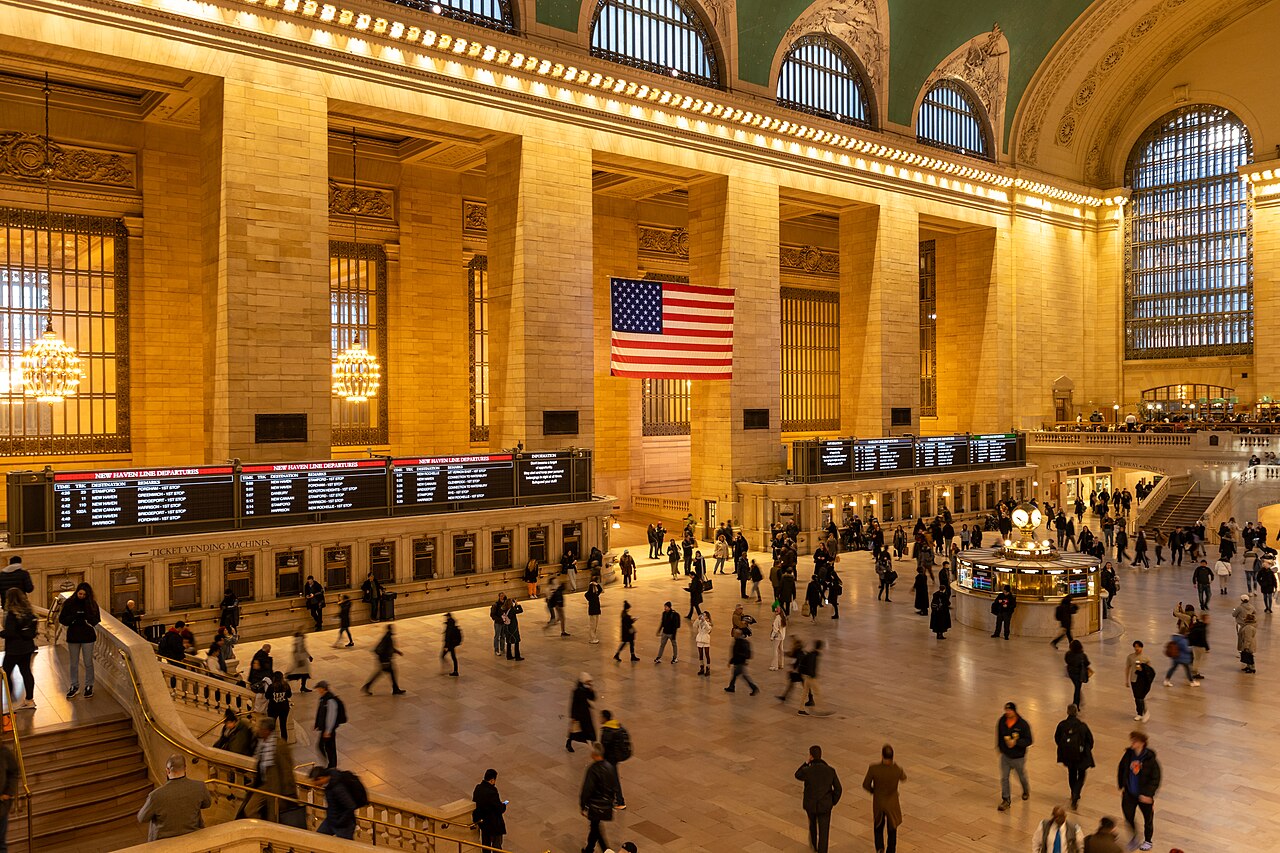
The Main Concourse is Grand Central’s most famous space. As you walk in, your eye is drawn immediately upward to the celestial ceiling mural, which depicts a starry sky inspired by medieval constellations.
- The painted sky features thousands of stars.
- Fiber‑optic lighting highlights many of the constellations.
- The vaulted ceiling spans the entire concourse, creating a dramatic sense of scale.
Many visitors notice that the constellations appear reversed. This is a long‑discussed quirk of the design and adds to the mural’s mystique.
Stand on the east side balcony for a wide, elevated view of the Main Concourse and its ceiling.
The Iconic Information Booth Clock
At the center of the Main Concourse sits the information booth, topped by one of New York’s most recognizable meeting points: the four‑sided clock.
Each face of the clock is made of opal glass, and the clock has become a classic “meet me at the clock” rendezvous spot for New Yorkers. It symbolizes the terminal’s role as a gathering point as much as a transit hub.
Vanderbilt Hall and Grand Staircases
Next to the Main Concourse is Vanderbilt Hall, a grand space originally used as a main waiting room. Today, it often hosts seasonal markets, exhibits, and special events.
Key Beaux-Arts features include:
- High, arched windows that flood the hall with natural light
- Marble floors and walls that echo the grandeur of the Main Concourse
- Ornate chandeliers that highlight early 20th‑century craftsmanship
On the west and east sides of the Main Concourse, you will find sweeping staircases inspired by the Palais Garnier opera house in Paris. These stairs are perfect vantage points for photos and for watching the flow of commuters below.
---
How to Use Grand Central Terminal Like a Local
Subway Connections at Grand Central
Grand Central Terminal connects directly to several key subway services, making it one of the most useful stations for visitors.
From inside the terminal, you can access:
- 4, 5, 6 lines: Lexington Avenue Line serving the East Side of Manhattan and the Bronx
- 7 line: Crosstown service between Midtown Manhattan and Queens
- S (Shuttle): Short shuttle between Grand Central and Times Square
Follow signs for “Subway” from the Main Concourse. You will pass through underground corridors that lead to the subway mezzanines and platforms. Pay your base fare of $3.00 by tapping your contactless card, phone, or wearable with OMNY at the turnstiles.
If you are transferring from Metro‑North to the subway, you do not need to exit to street level. Use the internal passageways to stay indoors, especially useful in bad weather.
Nearby Attractions You Can Walk To
Grand Central’s central Midtown location makes it an excellent starting point for sightseeing. Within walking distance you can reach:
- Bryant Park and the New York Public Library: Head west along 42nd Street.
- Times Square: Take the S shuttle or walk west along 42nd Street.
- Chrysler Building: Just east of the terminal, visible from many exits.
- Empire State Building – easily reached by heading south or connecting via subway to 34 St–Herald Square.
You can also connect by subway or shuttle from Grand Central to other major destinations like Central Park, the Brooklyn Bridge, and One World Observatory.
---
Fulton Center: A Modern Transit Hub With Striking Design
What Makes Fulton Center Worth a Visit?
Opened in 2014, Fulton Center is a modern transit complex in Lower Manhattan. It links several subway lines, including the 2, 3, 4, 5, A, C, J, and Z lines, and provides an indoor connection to the World Trade Center area.
The design contrasts sharply with Grand Central’s Beaux-Arts style. Here, glass, steel, and open space create a bright, contemporary feel.
Design and Features Inside Fulton Center
The Oculus and Sky Reflector-Net
The centerpiece of Fulton Center is its oculus, a large circular skylight at the top of the main atrium. It channels natural light down through the building, brightening the concourse levels below.
Suspended beneath the oculus is “Sky Reflector‑Net,” an art installation that helps redirect and diffuse daylight. Together, the skylight and artwork create a constantly shifting play of light as the sun moves across the sky.
Passenger Amenities and Layout
Fulton Center was designed with clarity and circulation in mind:
- Wide corridors and clear signage help you transfer between lines.
- Retail spaces and food options ring the main atrium.
- Escalators and elevators connect multiple levels.
If you are visiting the 9/11 Memorial & Museum or One World Observatory, use Fulton Center as a starting point and follow the indoor passages toward the World Trade Center complex.
---
Fulton Center Accessibility and Connections
Fulton Center is built to modern accessibility standards, with elevators, ramps, and escalators to help riders move between platforms and street level.
You can:
- Transfer between many subway lines without exiting fare control.
- Walk underground toward nearby stations in the World Trade Center area.
- Access Lower Manhattan destinations while staying mostly indoors in bad weather.
Before you go, check service alerts for any planned work that might affect transfers or elevator availability.
---
City Hall Station: A Ghostly Beauty Below the Tracks
History and Design of the Old City Hall Station
The original City Hall Station opened in 1904 as the southern terminal of New York’s first subway line. Though it is now closed to regular service, it remains one of the most elegant stations ever built in the city.
Architectural features include:
- Guastavino tile arches that form graceful curves along the platform
- Skylights that once allowed natural light to filter down from street level
- Brass chandeliers and decorative plaques that reflect early subway grandeur
The station’s curved platform could not easily accommodate longer modern trains, which contributed to its closure to regular passenger service.
How to Catch a Glimpse of City Hall Station
While you cannot board or exit at City Hall Station during normal service, you can still see it from the train.
- Ride a 6 train downtown to its last stop.
- Instead of exiting, stay on the train as it uses the loop track to turn around.
- As the train passes through the old station, look out the windows for a brief view of the arches and tiles.
For deeper access, the New York Transit Museum occasionally offers guided tours that bring small groups onto the platform itself. These tours are limited and must be reserved directly through the museum.
Museum tours are popular and sell out quickly. Check the New York Transit Museum’s official website well in advance for dates and ticket information.
---
34th Street–Hudson Yards: Gateway to a New Neighborhood
Why 34th Street–Hudson Yards Stands Out
The 34th Street–Hudson Yards station is the western terminal of the 7 line and serves the rapidly developing Hudson Yards district on Manhattan’s West Side. It is one of the newest major subway stations in the system and showcases a contemporary design with spacious platforms and wide mezzanines.
Modern Amenities and Public Art
The station offers:
- Large, open platforms designed to handle heavy event and commuter traffic
- Deep‑level escalators and elevators connecting the street to the platforms
- Public art installations, including vibrant mosaics by artist Xenobia Bailey
The art and architecture here reflect the new neighborhood above, which features high‑rise towers, shopping, dining, and cultural attractions.
Visiting Hudson Yards Attractions
From the station, you are steps away from:
- The Vessel and The Shed – major cultural and architectural highlights
- The High Line, accessible via nearby entrances
- Shops and restaurants in the surrounding Hudson Yards complex
Ride the 7 line directly from Times Square to 34th Street–Hudson Yards for a quick, simple trip to the West Side.
---
West 4th Street–Washington Square: A Cultural Crossroads
Why West 4th Street Is a Key Transfer Point
Located in Greenwich Village, the West 4th Street–Washington Square station is a major transfer hub for the A, B, C, D, E, F, and M lines. Its central location makes it ideal for exploring downtown neighborhoods and the nearby university area.
You can use this station to:
- Transfer between many uptown and downtown routes
- Reach neighborhoods like SoHo, the West Village, and the East Village
- Access cultural and nightlife destinations around Washington Square
Street Life and Nearby Attractions
Above ground, the station opens onto one of the city’s most vibrant areas:
- Washington Square Park is a short walk away and often filled with musicians and performers.
- New York University (NYU) buildings surround the park, giving the area a youthful, energetic feel.
- Cafés, bookstores, and music venues line nearby streets.
Inside the station, you will often encounter buskers and performers, especially during late afternoons and evenings.
Use the southern exits to reach Washington Square Park quickly and avoid backtracking through the neighborhood.
---
Practical Tips for Exploring NYC’s Most Beautiful Transit Stations
Navigating New York City’s vast transit system becomes easier with a few simple strategies. These tips apply whether you are visiting Grand Central Terminal, Fulton Center, or any other station in this guide.
Paying Your Fare With OMNY
The standard base fare is $3.00 for subways and local buses. The MTA’s OMNY system lets you tap and go with:
- Contactless credit or debit cards
- Digital wallets on phones and wearables
- OMNY cards (where available)
You do not need to pre‑load value when using a bank card or device. Just tap the same payment method each time to keep your trips linked for fare capping, if offered. For current details on fare products and discounts, see the official fares and passes page.
Check Service Alerts Before You Go
Planned maintenance and unexpected disruptions can affect your route, especially on weekends or late nights. Before you set out to explore:
- Visit the MTA’s service alerts page.
- Look for advisories on the lines you plan to ride.
- Allow extra time if there are reroutes or reduced service.
Travel Off‑Peak for a Better Experience
If your schedule is flexible, avoid the heaviest crowds:
- Weekday peak hours are typically 7–9 AM and 4–6 PM.
- Midday, late evening, and weekends (outside major events) are usually less crowded.
Off‑peak travel gives you more space to admire station details, take photos, and move around without rush‑hour pressure.
For Grand Central, early morning or later in the evening offers the calmest atmosphere in the Main Concourse.
Combine Stations With Nearby Sights
To make the most of your time:
- Pair Grand Central Terminal with Midtown landmarks like the Chrysler Building and Bryant Park.
- Combine Fulton Center with the 9/11 Memorial & Museum and the World Trade Center area.
- Visit 34th Street–Hudson Yards along with the High Line and West Side waterfront.
- Explore West 4th Street–Washington Square together with Greenwich Village and SoHo.
Each station can be the anchor for a half‑day walking itinerary, turning your transit trip into a neighborhood exploration.
---
FAQ About Grand Central Terminal and NYC’s Most Beautiful Stations
How can I see the old City Hall Station?
You can view the old City Hall Station from a 6 train as it loops at the end of the line. When the train reaches its southern terminal, stay on board instead of exiting. As it turns around, you will pass through the closed station and can see its arches and tiles through the windows. For a closer look, check the New York Transit Museum’s website for occasional guided tours.
Is Grand Central Terminal accessible for people with disabilities?
Yes. Grand Central Terminal offers elevators, ramps, and accessible routes between many areas of the building and the platforms. For the most current information on elevator status or any temporary changes, review the MTA’s service alerts before you travel.
What are the peak travel times in NYC transit?
Peak travel times are generally weekday mornings from about 7–9 AM and weekday evenings from about 4–6 PM. During these hours, trains and platforms can be very crowded, especially at major hubs like Grand Central, Fulton Center, and Times Square. Traveling outside these windows usually provides a more relaxed experience.
Can I use the same payment method for all NYC transit lines?
Yes. OMNY contactless payment works across MTA subways, local buses, and many regional services. You can tap the same card or device at subway turnstiles, on buses, and at other OMNY readers where available. For details on which services accept OMNY and current fare options, see fares and passes.
---
Conclusion: Make Grand Central Terminal the Centerpiece of Your Transit Tour
Grand Central Terminal truly earns its reputation as a Beaux-Arts masterpiece, but it is only one part of New York City’s rich transit landscape. From the light‑filled atrium of Fulton Center to the ghostly elegance of City Hall Station, the modern design of 34th Street–Hudson Yards, and the cultural crossroads at West 4th Street–Washington Square, each station offers a different window into the city.
Use OMNY to tap into the system, watch alerts to stay on track, and build your own station‑hopping itinerary. With a bit of planning, your journeys between sights like Times Square, the Brooklyn Bridge, or the Metropolitan Museum of Art can become highlights themselves. For more ideas on planning transit‑first adventures, explore our complete NYC transit guide.