How to Save Money on New York City Transit: 10 Fare Hacks Locals Use
# How to Save Money on New York City Transit: 10 Fare Hacks Locals Use
Navigating New York City's vast transit system can get expensive fast. With the MTA's base fare at $3.00 per ride, even a few daily trips add up. Locals keep costs down by combining unlimited ride passes, smart transfers, and OMNY features to squeeze the most value out of every tap. This guide breaks down 10 practical fare hacks you can actually use, with a special focus on how to utilize unlimited ride passes for maximum savings.
Whether you’re commuting from Grand Central Terminal every day or visiting Times Square, Central Park, or the Brooklyn Bridge, these strategies will help you ride more and spend less.
---
Utilize Unlimited Ride Passes for Maximum Savings
Unlimited ride passes are one of the most powerful ways to save on NYC transit if you ride often. Instead of paying $3.00 every time you board, you pay a flat price and ride as much as you want during the pass period.
The MTA offers popular options on its fares page, including:
- 7-Day Unlimited Ride: $33.00
- 30-Day Unlimited Ride: $127.00
These passes are especially useful if you:
- Commute to work or school most days.
- Plan to explore many neighborhoods in a short time.
- Expect to use both subway and local buses regularly.
How to Calculate If an Unlimited Pass Is Worth It
Think in terms of break-even rides:
- At $3.00 per ride, a 7-Day Unlimited at $33.00 pays off after 11 rides in a week.
- A 30-Day Unlimited at $127.00 pays off after about 42–43 rides in a month.
That means:
- If you ride round-trip 5 days a week (10 rides) plus one extra ride, the 7-Day Unlimited is already cheaper.
- If you commute twice a day, 5 days a week for a month (about 40 rides), you’re almost at the break-even point for the 30-Day Unlimited. Any extra trips for errands, gym, or social plans push you into savings.
Before you buy, list your typical week: work days, errands, weekend plans. If you’re even close to 11 rides per week, a 7-Day Unlimited is usually the smarter option.
When to Buy an Unlimited Pass
Unlimited passes shine in certain scenarios:
- Frequent Trips:
- Tourist Visits:
- Event-Heavy Weeks:
Start your pass on a busy day, not a quiet one. Activate it on the day you’ll ride the most to squeeze maximum value from the first 24 hours.
---
How to Use Unlimited Ride Passes Like a Local
Once you’ve decided an unlimited pass makes sense, use it strategically to get even more value.
Stack Errands and Side Trips
With an unlimited pass, every extra ride is effectively free after break-even. That changes how you plan:
- Run errands on separate trips instead of cramming everything into one.
- Take a quick ride to see the Brooklyn Bridge at sunset after work.
- Hop from Times Square to Central Park to Grand Central Terminal in one afternoon without worrying about cost.
You’ll often find you see more of the city simply because the marginal cost of one more ride is zero.
Use Unlimited for Flexibility and Backup Plans
Subway delays and reroutes happen. With unlimited rides:
- You can bail out of a delayed train, go back a stop, or reroute without paying extra.
- If you miss your stop, you can turn around on the next train at no added fare.
- You can switch from subway to bus if service is disrupted and not stress about another payment.
Check service alerts before and during your trip. With an unlimited pass, you can quickly pivot routes to avoid delays without worrying about extra charges.
---
Master the Art of Transfers to Cut Costs
Even if you don’t use an unlimited pass, transfers are key to saving money. The MTA allows free transfers between certain services within a set time window when you pay a single fare.
While exact transfer rules can change, you can typically:
- Transfer between subway lines at the same station complex.
- Transfer between many bus routes.
- Transfer between subway and bus in one direction of travel.
Check the MTA’s fares page and official tools for current transfer rules and eligibility.
Smart Ways to Use Transfers
Use transfers to connect major destinations without extra fares:
- Ride the subway to Times Square, then transfer to another line to reach Central Park or Grand Central Terminal.
- Take a bus from a residential neighborhood, then transfer to the subway for faster travel into Manhattan.
- Use bus-to-bus transfers to reach places where the subway doesn’t run directly.
Always stay within your one continuous trip. Exiting the system to run an unrelated errand and then re-entering may trigger a new fare.
Plan Routes to Maximize Transfers
To make transfers work for your wallet:
- Use the MTA’s trip planner to map routes that minimize separate fares.
- Look for official transfer points between lines and buses, especially near big hubs like Grand Central Terminal.
- Avoid unnecessary exits and re-entries when you can transfer within the system.
If you’re unsure whether a transfer is free at a particular station, check station signage or the MTA’s official tools before exiting.
---
Look for Off-Peak Travel Opportunities
Riding during non-rush hours won’t always change your fare, but it can improve your experience and sometimes your options.
Why Off-Peak Can Still Save You
Even without a specific off-peak discount:
- You’re more likely to get a seat, especially on longer trips.
- Trains and buses can be less crowded, making it easier to travel with luggage, strollers, or bags.
- You may find it easier to make transfers without packed platforms or buses passing you by.
Typical rush hours are weekday mornings and late afternoons. If your schedule is flexible, traveling outside those windows can make a big difference in comfort.
Check service alerts before late-night or weekend trips. Planned work can affect travel time and may change your route, even if the fare stays the same.
---
Embrace OMNY for a Seamless Transit Experience
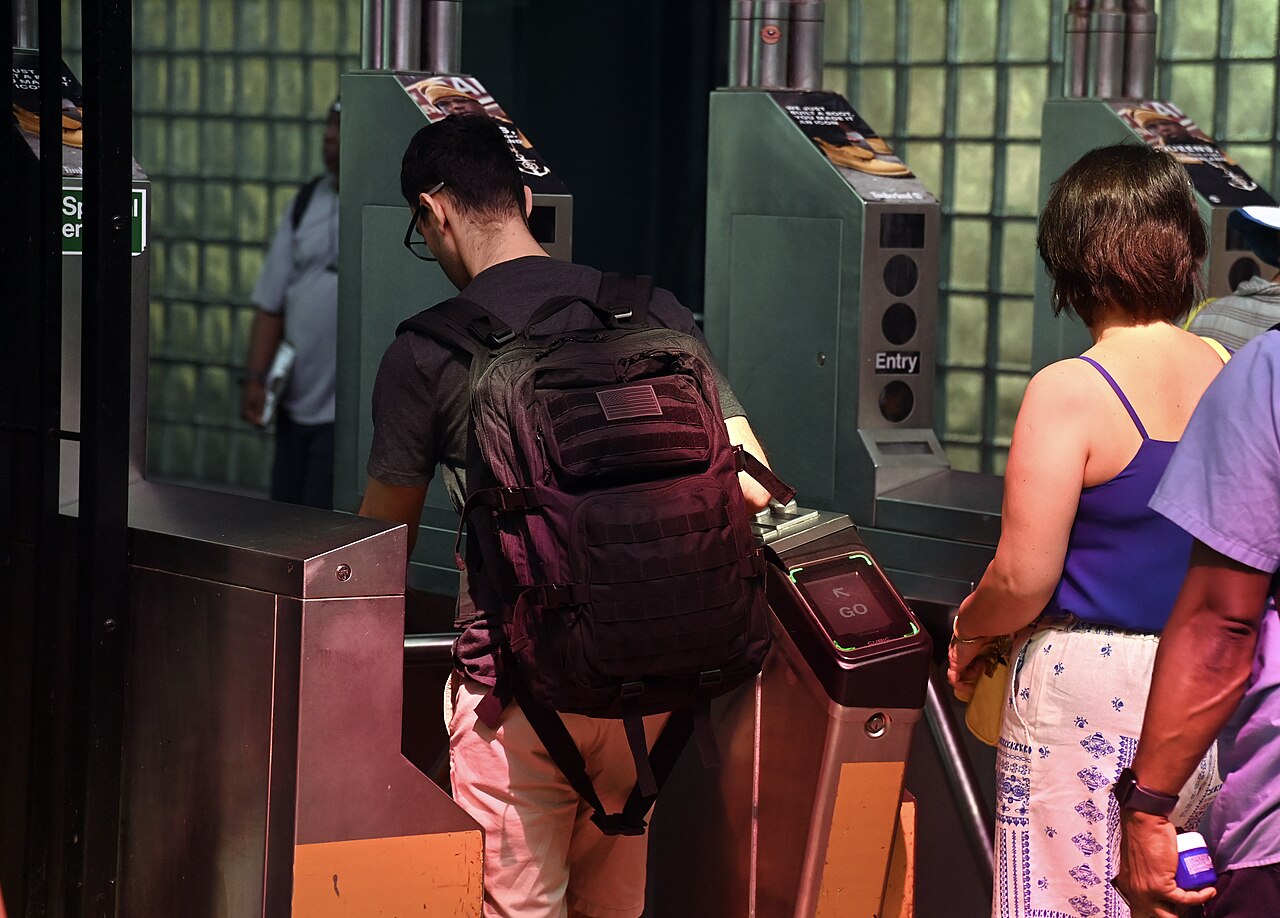
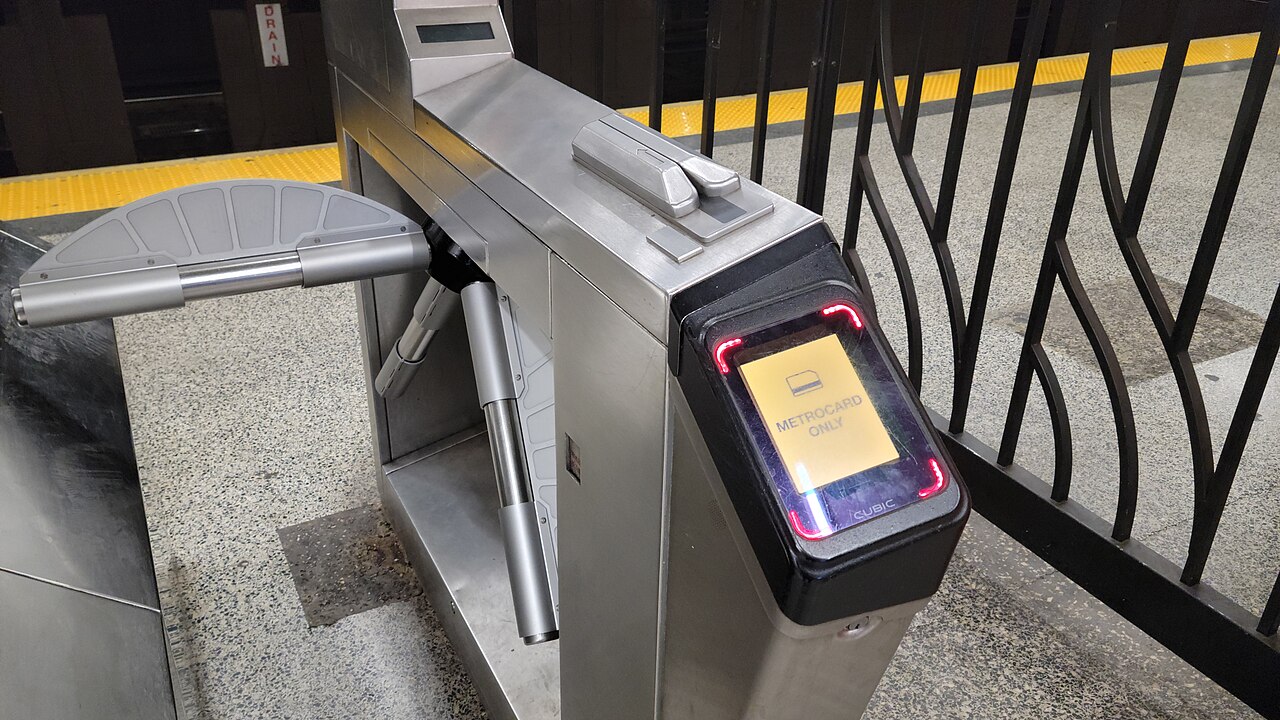
OMNY is the MTA’s contactless fare payment system and is replacing the MetroCard, which is being phased out by January 2026. OMNY lets you tap in with:
- A contactless credit or debit card.
- A smartphone or wearable with a digital wallet.
- An OMNY card, where available.
You pay the standard $3.00 base fare when you tap, and you can use OMNY on subways and buses across the city.
Why OMNY Matters for Saving Money
OMNY is designed to support features that can help you save:
- No need to pre-load exact amounts, which reduces leftover balances.
- Potential for fare capping and promotions, as announced by the MTA.
- Easy access to your trip history and payments through the OMNY website.
If you rely on unlimited passes, check the MTA’s fares and OMNY pages to see current options for weekly or monthly benefits and how they apply when you tap with OMNY.
OMNY Usage Tips
To get the most from OMNY:
- Use the same card or device for every tap so your trips are counted correctly for any caps or benefits.
- Create an OMNY account online to track spending and trips.
- If you prefer not to link a bank card, look into OMNY cards, which can be loaded with value at select locations.
If you lose a physical bank card, remove it from your digital wallet or OMNY account and switch to another card or device to avoid disruption.
---
Explore Group Travel and Shared Strategies
Formal group discounts on regular subway and bus rides are limited, but you can still save when traveling with others by planning together.
How Groups Can Travel Smarter
- Coordinate routes so everyone uses the same stations and transfers, making it easier to navigate and avoid fare mistakes.
- If some riders qualify for reduced fares (such as eligible seniors or students), make sure they use their own payment methods correctly.
- For school groups, tours, or large events, check the MTA’s official site for any special group arrangements or guidance.
When traveling with visitors, one person can help everyone plan their routes using the MTA’s trip planner, but each rider should tap in with their own OMNY method where required.
---
Practical Tips for Saving on NYC Transit
Beyond unlimited passes and OMNY, everyday habits can help you save money and time.
Plan Before You Tap
- Use the MTA’s official trip tools or apps to compare routes before you leave home.
- Check service alerts for planned work that might force you into longer or more expensive detours.
- Group your trips when possible so you avoid unnecessary backtracking.
Use Stations Strategically
- Major hubs like Times Square and Grand Central Terminal often offer multiple lines and transfer options, giving you flexibility if one route is delayed.
- When visiting attractions like the Metropolitan Museum of Art, Central Park, or the Brooklyn Bridge, look up nearby stations in advance so you don’t overshoot and have to double back.
Bookmark key pages like fares and alerts so you can quickly check prices and service changes before big days of travel.
---
FAQs on NYC Transit Fare Hacks
How can I choose the best unlimited pass for my needs?
Start by estimating your rides:
- Count how many times you ride in a typical week or month.
- If you expect more than 11 rides in 7 days, a 7-Day Unlimited is usually cheaper than paying $3.00 per ride.
- If you expect more than about 42 rides in 30 days, a 30-Day Unlimited can save you money.
Then compare your estimate to prices on the MTA’s fares page and choose the pass that matches your travel pattern.
Can I transfer from one subway line to another without paying extra?
Yes, you can usually transfer between subway lines within the same station or station complex without paying another fare, as long as you stay inside the system. At major hubs like Times Square or Grand Central Terminal, you can move between several lines after a single tap. Always follow station signs and check the MTA’s official tools for up-to-date transfer information.
Are there discounts for students or seniors?
Yes. The MTA offers reduced-fare programs for eligible riders, including certain students and seniors. These programs can lower the cost of each ride or provide special pass options. Eligibility rules and application steps are detailed on the MTA’s fares page and related resources. Always confirm current requirements and benefits directly from official sources.
What are the benefits of using OMNY instead of MetroCard?
OMNY provides:
- Contactless tap-and-go entry with cards, phones, or wearables.
- No need to manage a separate MetroCard balance.
- Support for modern features like online trip history and potential fare capping or promotions.
- Future-proofing, since MetroCard is being phased out by January 2026.
If you ride regularly, OMNY’s flexibility and digital tools can make it easier to manage your transit spending and adapt to new fare options as they roll out.
---
Conclusion: Utilize Unlimited Ride Passes to Navigate NYC Transit Economically
Saving money on New York City transit comes down to smart planning and the right fare choice. When you utilize unlimited ride passes at the right time, every extra ride after the break-even point becomes a discount. Combine that with smart transfers, OMNY, and up-to-date information from fares and alerts, and you can move between Times Square, Central Park, Grand Central Terminal, and beyond without overspending.
Review your travel habits regularly, especially if your commute, neighborhood, or schedule changes. Adjusting between pay-per-ride, weekly, or monthly options can unlock new savings as your life shifts.
Revisit your fare strategy every few months. A small change—like adding a 7-Day Unlimited during a busy week—can significantly cut your overall transit costs.