Every Fare Option in New York City Explained: Daily, Weekly, and Monthly Passes
# Every Fare Option in New York City Explained: Daily, Weekly, and Monthly Passes
Navigating New York City's bustling streets is much easier when you understand the MTA fare options, especially how single ride fares compare with daily, weekly, and monthly choices. Whether you are taking a quick ride on the Line 1 to Times Square or planning a week-long exploration that includes the Statue of Liberty, choosing the right fare can save time, money, and stress. This guide breaks down every major fare option available, with a special focus on single ride fares, so your journey through New York City runs smoothly.
---
Understanding Single Ride Fares on the NYC Subway and Buses
A single ride fare on the MTA subway or local bus is the simplest way to pay if you only expect to take one or two trips. The current base fare is $3.00 per ride. This fare structure is designed for flexibility, so you can tap in once and not worry about passes or caps if you are only making a quick trip.
Single ride fares are especially useful if:
- You are in the city for only a few hours.
- You mostly walk or use taxis or rideshares.
- You are traveling between one or two specific locations and do not expect to ride again that day.
If your visit includes a short, focused itinerary—such as a quick trip from Central Park to the Metropolitan Museum of Art—a single ride fare keeps things simple. You pay as you go and avoid thinking about pass expiration dates or minimum usage to “break even.”
If you are unsure how much you will ride, start with single rides using OMNY. If you end up riding more, OMNY’s fare caps can protect you from overpaying.
---
How to Purchase and Use Single Ride Fares
Where and how to pay your $3.00 fare
You can pay the $3.00 base fare in a few straightforward ways:
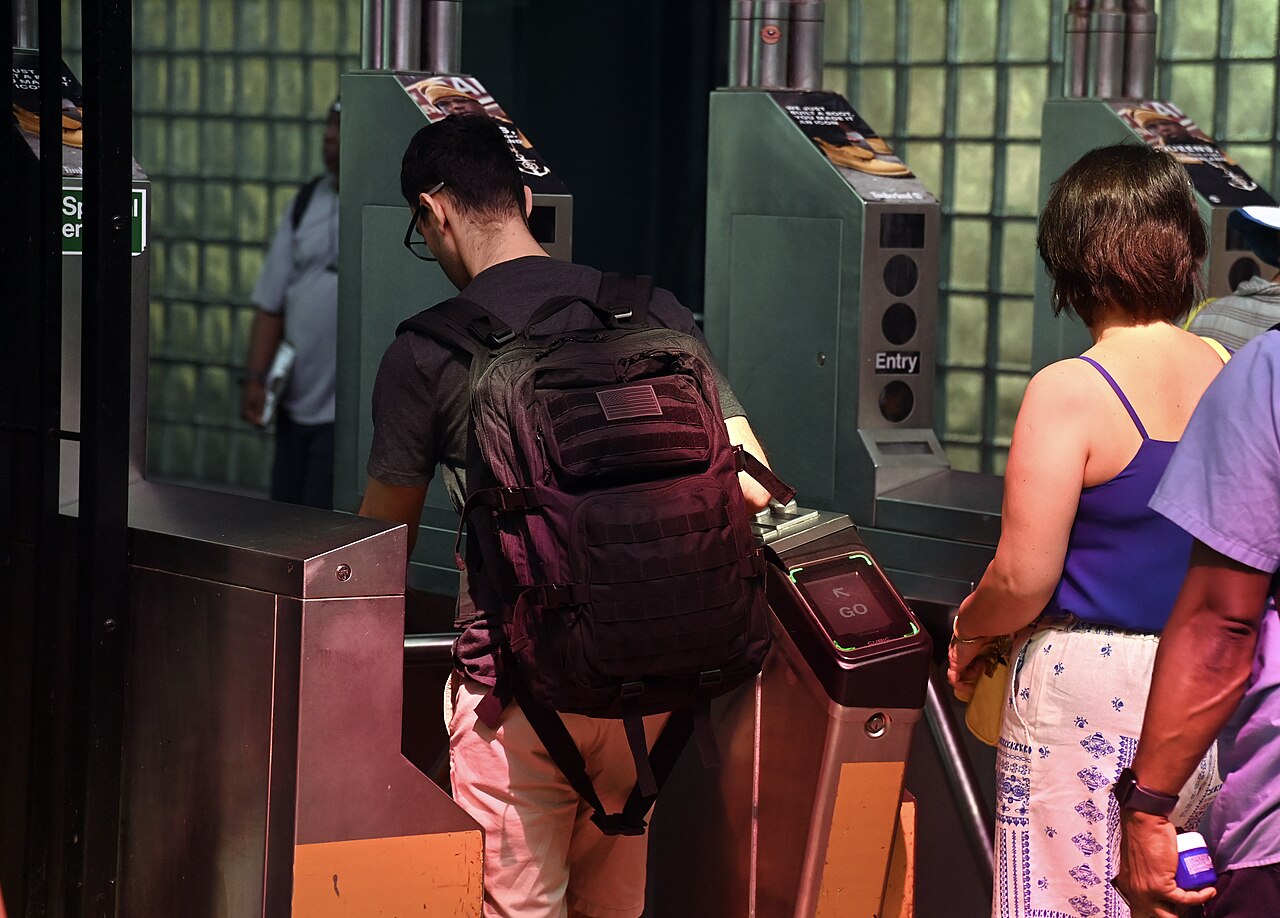
- OMNY tap-to-pay at subway turnstiles and on buses.
- Contactless credit or debit cards (Visa, Mastercard, American Express, etc.) with tap capability.
- Digital wallets on your phone or watch (Apple Pay, Google Pay, Samsung Pay) linked to a card.
- Cash or card at ticket machines where single ride options are offered.
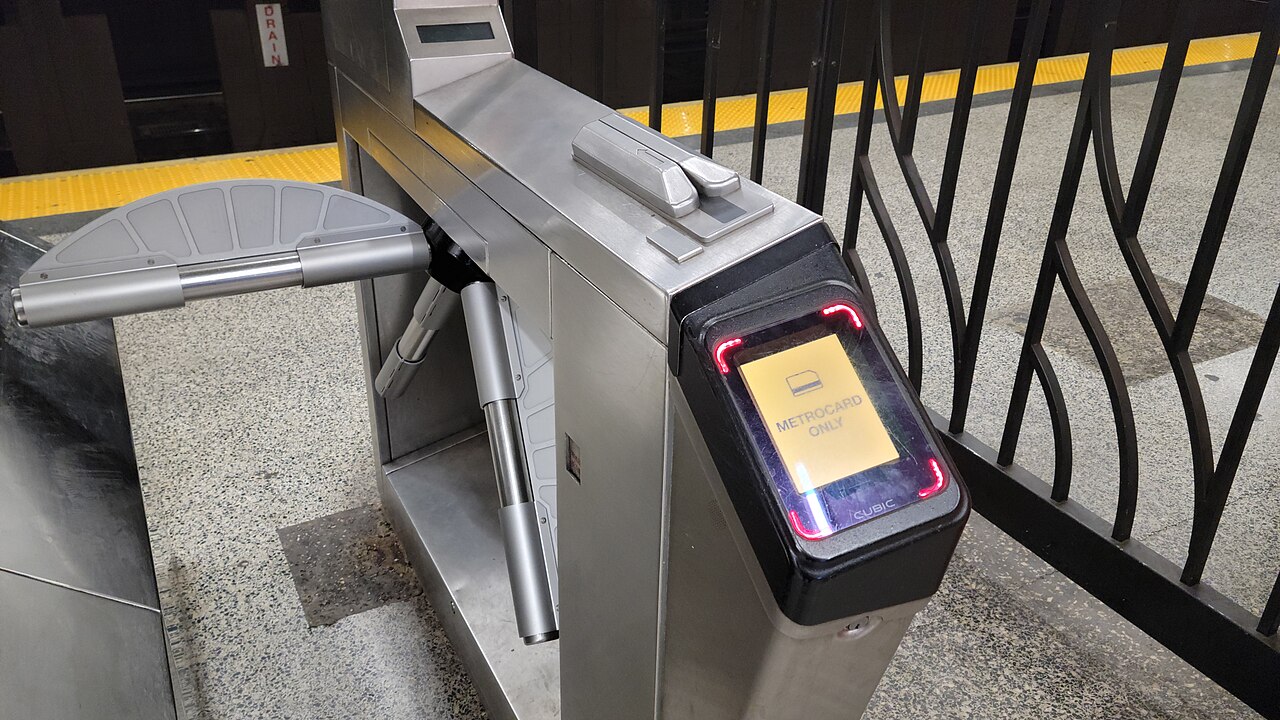
OMNY is now the primary system, and the MTA is phasing out the MetroCard by January 2026. For the most up-to-date information on where and how to pay, always confirm on the MTA’s official site or visit our detailed fares and passes guide.
Using OMNY for single rides
With OMNY, you simply:
- Tap your card, phone, or OMNY card once at the subway turnstile or bus reader.
- Wait for the green confirmation and proceed through the turnstile or onto the bus.
- Use the same payment method for any free transfers within the allowed time.
You do not need to pre-load value or buy a separate pass if you are only using single rides. OMNY calculates your charges automatically.
---
Transfers Included With a Single Ride Fare
How free transfers work
A major benefit of paying the $3.00 base fare is that you get one free transfer between subway and bus, or between two buses, within a set time window. This allows you to complete more complex trips without paying for each segment separately.
Typical transfer patterns include:
- Subway → local bus
- Local bus → subway
- Local bus → local bus
To qualify for the free transfer:
- Use the same OMNY payment method for both parts of your trip.
- Make your transfer within the allowed time window after your first tap.
- Tap in at the second vehicle or station and wait for confirmation that no additional fare was charged.
Because the exact transfer rules and time windows can change, always check the MTA’s official website or posted signage for current transfer policies.
Example transfer trips
Here are some common ways a single ride plus transfer can work in your favor:
- Ride the subway to Brooklyn Bridge, then transfer to a nearby bus line to reach a specific neighborhood, using your free transfer.
- Travel from Times Square to Grand Central Terminal by subway, then transfer to a bus that takes you closer to your hotel.
Always tap the same card or device for each leg of your trip. Mixing cards can cause you to be charged multiple single fares and lose your free transfer.
---
Single Ride Fares vs. Other Fare Options
When single rides make the most sense
Single ride fares are usually best if:
- You plan fewer than 4–5 rides over your entire stay.
- You are in town for a short business meeting and walk most places.
- You are taking a single airport-to-city or hotel-to-attraction trip and then leaving.
If your day looks like “hotel → meeting → dinner → hotel,” and everything is near one or two subway lines, paying $3.00 per ride can be cheaper than an unlimited pass.
When to switch from single rides to passes
Once you start making multiple trips per day—especially if you are sightseeing—you should compare the total you would pay in single rides to the cost of weekly or monthly passes or OMNY fare caps. The more you ride, the more likely an unlimited option becomes cheaper and more convenient.
Use an OMNY account to review your trip history. If you notice you are riding several times per day, consider whether a 7‑day or 30‑day option would have saved you money.
---
Daily Fare Options in NYC: Is There a 1‑Day Pass?
How daily travel works with OMNY
The MTA does not currently offer a traditional paper or card-based 1‑day unlimited pass. Instead, daily and multi-day savings are typically handled through fare caps and unlimited passes.
With OMNY:
- You pay $3.00 per ride as you go.
- OMNY can apply fare caps over a period (such as a week) so you never pay more than a set amount with the same card or device.
- For precise details on current caps and thresholds, always check the MTA’s official OMNY information.
This setup gives you much of the benefit of a daily pass without needing to buy a separate product in advance.
When daily-heavy travel matters
If you plan to visit several major attractions in one day—such as the Empire State Building, Central Park, and One World Observatory—you might take multiple subway and bus trips. In that case:
- Track how many times you tap in a day.
- Compare your total to what you would pay with a weekly pass if you are staying longer.
- Use OMNY so you can benefit from any automatic fare caps the MTA offers.
Check your OMNY trip history at the end of the day. If you find you are riding heavily every day of your stay, a weekly pass may be cheaper overall than repeated single rides.
---
Weekly Unlimited Pass: Best for Short Stays and Busy Itineraries
What the 7‑Day Unlimited Pass offers
For visitors staying several days or locals with a temporary commute, the 7‑Day Unlimited Pass can provide great value:
- Cost: $34.00
- Validity: Unlimited rides on subways and local buses for 7 consecutive days, until midnight on the seventh day.
- Where to buy: Available through OMNY-enabled options and at many MTA sales locations. For exact purchase methods, verify on the MTA’s official site.
Once activated, you can ride as often as you like. That means you can hop between neighborhoods, revisit attractions, or make unplanned side trips without worrying about each $3.00 charge.
Who benefits most from the weekly pass
The weekly pass is ideal if:
- You are staying in New York City four days or longer and expect frequent transit use.
- You plan to explore multiple boroughs, not just one neighborhood.
- You are a commuter with a short-term project or internship.
For example, a family visiting for a week might ride from Grand Central Terminal to Midtown in the morning, then head downtown to One World Observatory, and finish the day near the Brooklyn Bridge. With a weekly pass, all of these rides are covered for a fixed price.
If you expect to take 12 or more rides in seven days, compare the total cost of single rides ($3.00 each) to the $34.00 weekly pass. Once you pass that break-even point, the unlimited option usually saves money.
---
Monthly Unlimited Pass: Best for Residents and Long-Term Visitors
Why the 30‑Day Unlimited Pass is popular
For regular riders, the 30‑Day Unlimited Pass is often the most economical and convenient option:
- Cost: $127.00
- Benefits: Unlimited rides on subways and local buses for 30 consecutive days.
- Where to buy: Available through OMNY and selected MTA sales locations; confirm exact purchase options on the MTA website.
This pass is designed for:
- Daily commuters traveling to work or school.
- Long-term visitors staying several weeks.
- Anyone who uses the subway and buses as their primary mode of transportation.
With a monthly pass, you can ride across major lines such as the Line 1 and Line 7 as often as you like, without tracking each $3.00 fare.
Peace of mind and budgeting benefits
Beyond simple cost savings, the monthly pass offers:
- Predictable costs: One fixed price for an entire month of travel.
- No need to reload: You do not have to stop at machines to add value.
- Flexibility: Spontaneous trips—like an evening ride to see the skyline from near the Statue of Liberty—do not require extra planning.
If you ride to work five days a week and often ride on weekends, a 30‑day pass usually pays for itself quickly compared to repeated $3.00 single rides.
---
Practical Tips for Using Single Rides, Weekly, and Monthly Passes
Make the most of your fares
Insider Tips:
- Travel off‑peak: Avoid the busiest times—roughly 7–9 AM and 5–7 PM on weekdays—when trains and buses are most crowded.
- Create an OMNY account: Link your cards and devices to track trips, view charges, and manage fare caps.
- Check service changes: Before you ride, review service alerts to avoid delays or reroutes.
- Plan accessible routes: Many key stations, including those near major attractions, have elevators or ramps. Always confirm accessibility details in advance on the MTA site.
- Use major hubs for transfers: Stations like Grand Central Terminal often provide multiple subway connections, reducing walking and saving time.
Choosing the right option for your trip
To decide between single rides and passes:
- Estimate how many rides you will take per day.
- Multiply by the $3.00 base fare.
- Compare that total to $34.00 for a weekly or $127.00 for a monthly pass.
- Factor in your preference for flexibility and convenience.
If your total cost in single rides is close to the price of an unlimited option, the pass usually wins because it gives you extra flexibility for unplanned trips.
---
FAQ: Single Ride Fares and Passes in New York City
What is the cheapest way to travel in NYC for a day?
The cheapest option depends on how often you ride. If you only take one or two trips, paying the $3.00 single ride fare with OMNY is usually best. If you expect to ride many times over several days, using OMNY with fare caps or buying a 7‑Day Unlimited Pass can be more cost‑effective. Always compare your expected number of rides to current pass prices.
Is a single ride fare better than a weekly pass for tourists?
If you are in New York City for one or two days and only ride a few times, single rides are usually cheaper. However, if you are staying four days or more and plan to visit multiple neighborhoods and attractions each day, the 7‑Day Unlimited Pass often provides better value than paying $3.00 for every ride.
Can I still use a MetroCard, or do I have to use OMNY?
MetroCards are being phased out by January 2026. Depending on the current date, you may still see them in use, but the MTA encourages riders to switch to OMNY for tap‑and‑go payments and access to fare caps. For the latest status on MetroCard availability and any remaining machines, check the official MTA website.
Are there discounts for seniors or students?
Yes, the MTA offers reduced fare programs for eligible seniors and certain students. Seniors and people with qualifying disabilities may pay less than the full $3.00 base fare, and many students receive reduced or free transit through school-related programs. Because eligibility rules and application processes can change, review the current details on the MTA’s official reduced fare pages or through our fares section.
How do I replace a lost OMNY card or manage my account?
If you lose an OMNY card:
- Go to the OMNY section of the MTA’s website.
- Log into your OMNY account if you registered the card.
- Follow the instructions to report the card lost and request a replacement where available.
Registering your OMNY card or payment method in advance helps protect your balance and makes it easier to manage charges. For step‑by‑step guidance, refer to the official OMNY support pages.
---
Conclusion: Choosing the Right Single Ride or Pass for NYC Transit
Understanding single ride fares and how they compare to daily, weekly, and monthly options is key to traveling smart in New York City. If you only ride occasionally, paying the $3.00 base fare with OMNY for each trip is simple and flexible. As your number of rides increases—especially over several days—options like the 7‑Day Unlimited Pass or 30‑Day Unlimited Pass can offer significant savings and convenience.
Before you start exploring landmarks like Times Square, Central Park, or One World Observatory, take a few minutes to estimate how often you will ride. Then choose the fare option that matches your plans and budget. For more details on current prices, eligibility for reduced fares, and system-wide updates, visit our fares and passes page and the official MTA website.
For a deeper dive into planning your routes, transfers, and station choices, explore our full New York City Transit Guide and always check service alerts before you travel. With the right fare choice, your NYC transit experience can be both affordable and stress‑free.
Fare rules, discounts, and payment options can change. Always confirm the latest information directly with the MTA before you travel.