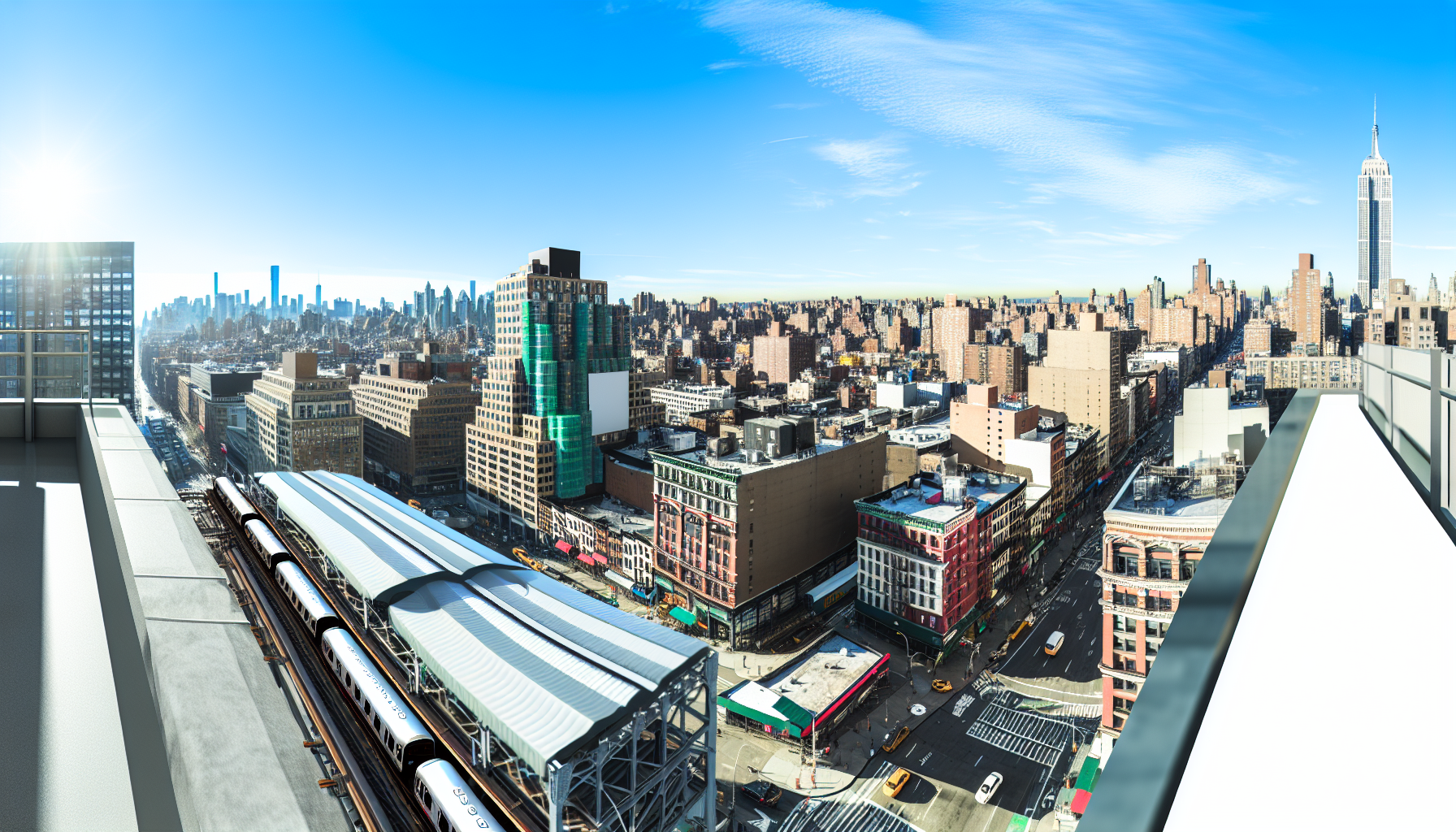
Transit vs Rideshare in New York City: Cost, Time, and Convenience Compared
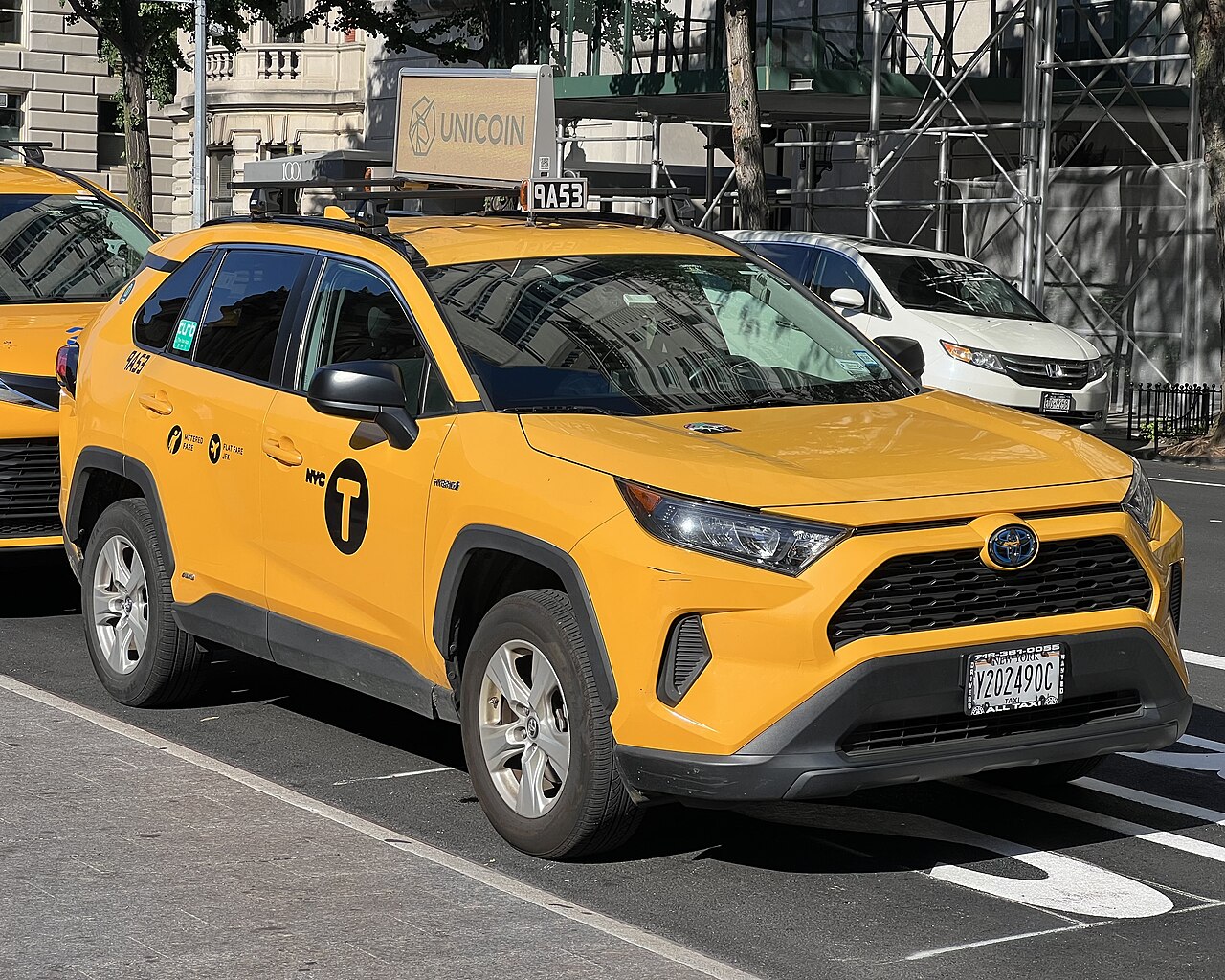
# Cost Comparison: MTA Transit vs Rideshare in New York City
Navigating New York City can be thrilling and overwhelming at the same time. Between the dense street grid, heavy traffic, and huge crowds, choosing how to get around matters a lot. The two most common options are the MTA transit system (subways and buses) and rideshare services like Uber and Lyft. Understanding the cost comparison between MTA transit and rideshare, plus how they differ in time, convenience, and comfort, can save you money and stress on every trip.
This guide breaks down fares, typical use cases, and practical strategies so you can decide when to tap your OMNY card and when to call a car.
---
Cost Comparison: Is MTA Transit Really Cheaper Than Rideshare?
When you compare MTA transit vs rideshare costs, the MTA almost always wins on price, especially for solo travelers and frequent riders.
MTA Transit Costs: What You’ll Actually Pay
The MTA uses a simple, flat-fare system for most local trips.
- Base fare: $3.00 per ride with OMNY on subways and local buses.
- Payment: Tap a contactless card, phone, or wearable at the OMNY reader. MetroCard is being phased out and is scheduled to be fully replaced by OMNY by January 2026.
- Free transfers: Within a set time window, you can usually transfer between subway and local bus without paying another full fare when using OMNY (check fares for current transfer rules).
- Express buses: These cost more per trip than local buses and the subway. Check the latest express bus pricing on the MTA’s official fares page.
- Reduced fares: Eligible riders, including many seniors and people with disabilities, may qualify for reduced-price rides. Details are listed on fares.
Example: Times Square to Central ParkIf you expect to ride multiple times a day, check the MTA’s current OMNY fare capping or unlimited-ride options on the fares page. These can dramatically lower your per-ride cost over a week or longer stay.
If you travel from Times Square to Central Park by subway:
- You tap once with OMNY.
- You pay $3.00.
- The price is the same whether it is rush hour or late at night.
If you make several such trips in a day, your total cost still stays predictable and based on a flat structure, not on traffic or demand.
Rideshare Costs: Why They Add Up Fast
Rideshare services use variable pricing that depends on distance, time, and demand.
Typical cost elements include:
- Base fare: A starting amount for each ride.
- Time and distance charges: The longer and farther the trip, the more you pay.
- Dynamic or “surge” pricing: Prices can rise significantly during:
- Bad weather
- Holidays and major events
- Late-night bar closing times
- Additional fees: You may see:
- Tolls, if your route uses tolled crossings
- Congestion or regulatory surcharges in certain zones
Example: Grand Central to Brooklyn BridgeA rideshare from Grand Central Terminal to the Brooklyn Bridge area can vary widely:
- In light traffic and low demand, you might see a lower fare.
- During busy times, the same ride can cost several times more due to demand and congestion.
Rideshare becomes more cost-effective when splitting fares with 2–4 people on the same trip, especially for cross-borough journeys or late-night travel when public transit feels less convenient.
---
Travel Time: When Is the Subway Faster Than a Car?
Time is money in New York, and choosing between transit and rideshare often comes down to which one gets you there more reliably.
MTA Transit Travel Time: Beating Traffic Underground
The subway runs 24/7 and avoids street traffic, which makes it very competitive during busy hours.
- Frequency: Trains generally run every few minutes during peak times and less frequently overnight. Exact intervals vary by line and time of day.
- Consistency: Travel times are less affected by street congestion but can be impacted by:
- Signal issues
- Service disruptions
You can check real-time updates on service alerts or via official MTA apps and tools.
Example: Times Square to Empire State BuildingFrom Times Square to the Empire State Building area:
- You access the subway at or near Times Square.
- You ride a train toward Midtown South.
- The in-train portion of the trip is typically short because the distance is small and the route is direct.
In many cases, this subway trip is faster than a rideshare stuck in Midtown traffic, especially on weekdays.
Always check alerts before leaving. A quick look can save you from delays due to planned work or unexpected disruptions.
Bus Travel Time: Slower but More Scenic
MTA buses:
- Travel on surface streets and share lanes with traffic.
- Can be slower during rush hour or in busy corridors.
- Offer more frequent stops and better coverage in some neighborhoods.
Buses can be a good option when:
- The subway does not run close to your destination.
- You prefer to stay at street level.
- You want a more scenic ride along avenues or across town.
Rideshare Travel Time: Direct but Traffic-Dependent
Rideshares offer door-to-door service, which can be a major time-saver in some situations.
They tend to be faster when:
- It is late at night or very early morning.
- You are traveling between areas with poor subway or bus coverage.
- You are carrying heavy luggage or traveling with small children.
However, rideshare times can grow quickly when:
- You travel during rush hour.
- You cross bridges or tunnels prone to backups.
- There is bad weather or a major event.
A rideshare from One World Observatory in Lower Manhattan to the Metropolitan Museum of Art on the Upper East Side:
- In low traffic, the car can move steadily up Manhattan.
- In heavy traffic, the same trip may slow to a crawl, especially through Midtown and Central Park-adjacent avenues.
In many daytime scenarios, the subway can offer a more predictable journey time, even if it requires a transfer.
For cross-Manhattan or crosstown trips during busy hours, compare an estimated rideshare time with a transit route in an app. The subway often wins during the day, while rideshare can shine overnight.
---
Convenience and Comfort: Which Option Feels Easier?
Cost and time are critical, but convenience often decides whether you tap in or hail a car.
MTA Transit Convenience: Coverage and Frequency
The MTA network covers most of the city’s major destinations and many residential neighborhoods.
- Extensive network: You can reach landmarks like:
- Key hubs: Stations such as Grand Central Terminal connect multiple lines and regional services.
- Predictable access: You always know where stations and major bus stops are, and you do not need to wait for a driver to arrive.
However, there are trade-offs:
- Crowding: Trains and buses can be very crowded during rush hours and busy weekends.
- Stairs and transfers: Not all stations are fully accessible. Some require stairs, long walks, or multiple transfers.
- Limited door-to-door coverage: You may still need to walk a few blocks from the station to your final destination.
If accessibility is a concern, use the MTA’s official resources to identify stations with elevators and accessible routes, and always confirm current elevator status before you travel.
Rideshare Convenience: Door-to-Door Flexibility
Rideshare services focus on point-to-point convenience:
- Pick-up at your location: Ideal when:
- You are traveling with children or older adults.
- You are leaving a location far from the nearest subway or bus stop.
- Drop-off at the exact address: Helpful late at night or in unfamiliar neighborhoods.
- Comfort and privacy: You can sit, adjust the temperature, and avoid crowds.
On the downside:
- You must wait for your car to arrive.
- You may need to walk to a nearby pickup spot if the street is congested.
- Surge pricing can make a “convenient” trip unexpectedly expensive.
Leaving the Statue of Liberty area (after returning by ferry to Manhattan), you may:
- Walk to the nearest subway station and pay $3.00 for your onward trip.
- Or request a rideshare from near the ferry terminal for a direct ride to your hotel.
In this case, rideshare wins on simplicity, while transit wins on cost.
If you are staying near a major hub like Grand Central Terminal, using transit for most trips and rideshare only at night or with luggage often strikes the best balance.
---
Environmental Impact: Transit vs Rideshare Sustainability
How you travel affects not just your wallet, but also the city’s air quality and congestion.
Transit Sustainability: Moving More People Per Vehicle
Public transit is generally more efficient per passenger than individual car trips.
- Subway: Moves large numbers of people with relatively low emissions per rider.
- Buses: Carry many passengers at once, and the fleet is gradually shifting toward lower-emission and electric vehicles.
- Reduced congestion: Every person who chooses transit over a car helps reduce traffic on crowded streets.
When you ride the subway or bus, you share the environmental cost with many others, lowering your individual impact.
Rideshare Environmental Impact: More Cars, More Congestion
Rideshares use standard vehicles on city streets:
- Increased traffic: More cars on the road mean more congestion, especially in dense areas like Midtown and Lower Manhattan.
- Idle time: Rideshare cars often circle or wait between trips, contributing to emissions even when they are not carrying passengers.
- Shared rides: Some services offer shared rides, which can reduce emissions per rider but may add time and detours.
If sustainability is a priority, use the subway or bus for most trips and reserve rideshare for situations where transit is impractical, such as very late-night travel or inaccessible locations.
---
Practical Strategies: When to Choose Transit vs Rideshare in NYC
You do not have to pick one mode for every trip. The smartest approach is to mix and match based on your situation.
When MTA Transit Makes the Most Sense
Transit is usually the better choice when:
- You are traveling solo or as a couple.
- You are visiting multiple attractions in one day, such as:
- You want predictable costs with the $3.00 base fare.
- You care about reducing your environmental impact.
- You are commuting at regular hours and want to avoid traffic.
Use OMNY for quick, tap-and-go entry. No need to reload cards or stand in line at vending machines.
When Rideshare Is Worth the Extra Cost
Rideshare can be the better option when:
- You are traveling late at night and want a direct, well-lit pickup and drop-off.
- You are in a group of three or more, splitting the fare.
- You have heavy bags, strollers, or bulky items.
- You are going somewhere with limited transit access or complicated transfers.
- You have tight timing, such as heading to a time-sensitive reservation or connection.
Before booking, compare the total rideshare estimate to the cost of multiple $3.00 transit fares for your group. In some cases, the difference is smaller than you expect; in others, transit is dramatically cheaper.
Tools and Resources to Use
To navigate both options efficiently:
- Check fares and policies on the MTA’s official fares page.
- Monitor real-time service changes via alerts.
- Use trip-planning apps that show both transit and rideshare options side by side.
- Stay flexible: If traffic looks heavy, lean toward the subway; if there is a major subway disruption, consider rideshare or bus alternatives.
---
FAQ: Common Questions About MTA Transit vs Rideshare in NYC
Is the subway usually faster than rideshare in New York City?
In many cases, yes. The subway avoids street traffic, so it often beats rideshare during rush hours and in busy areas like Midtown and Lower Manhattan. However, late at night or for short, direct trips in less congested neighborhoods, rideshare can be faster door to door. Always check current alerts for any subway disruptions that might affect your route.
How much does a typical rideshare cost compared to the $3.00 MTA fare?
MTA transit has a flat base fare of $3.00 per subway or local bus ride with OMNY. Rideshare prices vary based on distance, time, and demand, and they can increase during peak periods or bad weather. While a short ride might sometimes be reasonably priced, longer or high-demand trips can cost several times more than a single transit fare, especially for solo travelers.
Is it safe to use the subway at night, or should I take rideshare?
Many people use the subway at night, but comfort levels vary. Stations and trains are less crowded overnight, and service can be less frequent. Some riders prefer rideshare late at night for door-to-door travel and shorter walking distances. If you choose transit at night, stay in well-lit areas, be aware of your surroundings, and check alerts for any overnight service changes.
Can I reach all major NYC attractions using only MTA transit?
You can reach most major attractions by subway or bus, including Times Square, Central Park, Empire State Building, Brooklyn Bridge, One World Observatory, and the Metropolitan Museum of Art. Some locations may require a short walk from the station or a bus connection. In a few cases, especially after late-night events or from more remote areas, you might find rideshare more convenient for the final leg.
---
Conclusion: Choosing Between MTA Transit and Rideshare in NYC
When you compare MTA transit vs rideshare costs in New York City, transit almost always offers the lowest price, with a clear $3.00 base fare and wide coverage across the city. The subway often wins on time during busy hours and is the more sustainable choice. Rideshare, on the other hand, delivers door-to-door convenience, comfort, and flexibility, especially late at night, with luggage, or when traveling in groups.
The best strategy is not to pick one mode forever, but to combine both:
- Use the MTA for everyday trips, sightseeing, and most cross-city travel.
- Reserve rideshare for special situations where convenience or timing matters more than cost.
Before you head out, check current fares and alerts, plan your route, and choose the option that fits your budget, schedule, and comfort level. With a little planning, you can move around New York City confidently, efficiently, and on your own terms.