Subway vs Bus vs Ferry: Choosing the Best Transit in New York City
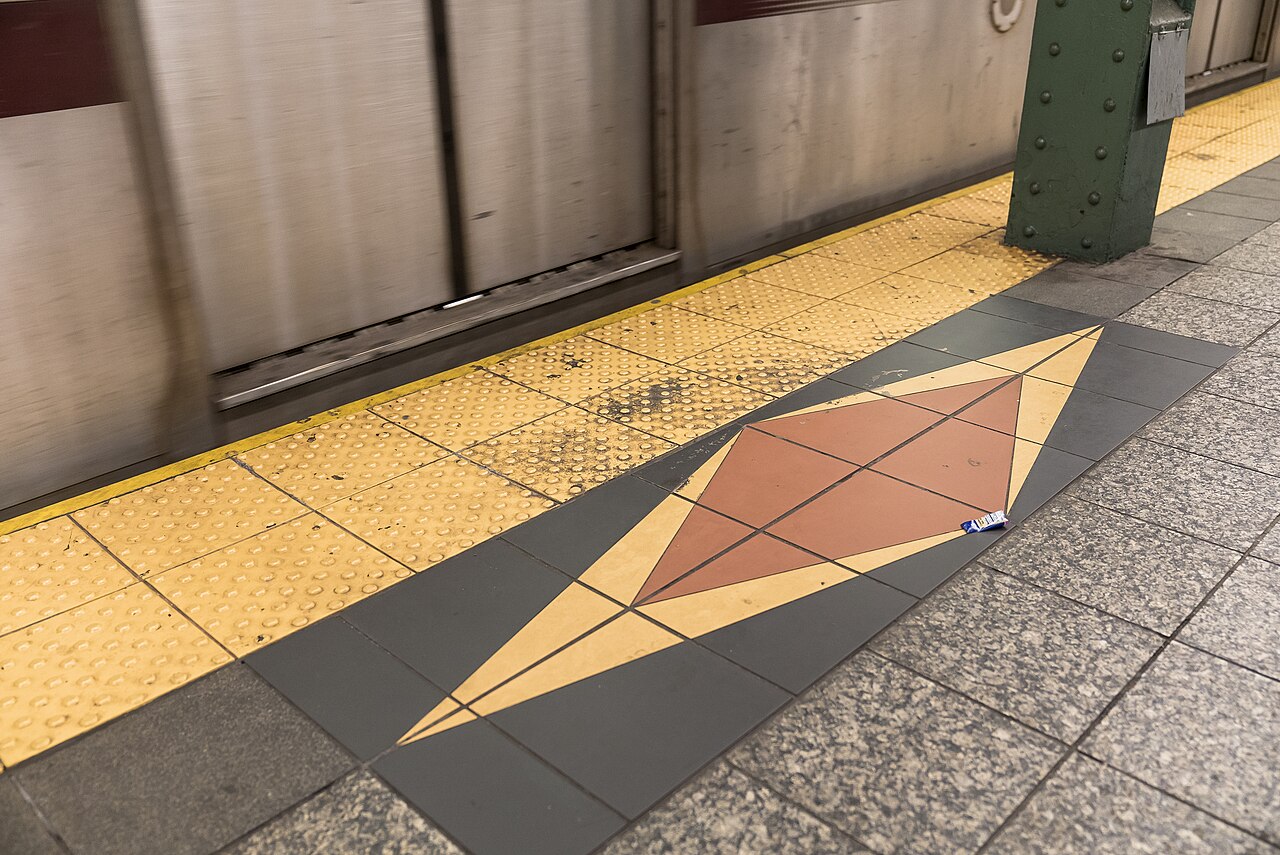
# Subway: The Backbone of NYC Transit
Navigating New York City's public transit can feel overwhelming at first, but once you understand your options, it becomes the easiest way to move around. The subway is the backbone of NYC transit, supported by an extensive bus network and growing ferry service. Each mode has strengths depending on your route, schedule, and comfort level.
Whether you are heading to Times Square, catching a train at Grand Central Terminal, or planning a day near Central Park, this guide breaks down when to choose subway, bus, or ferry—and how to use them efficiently.
---
Why the Subway Is the Backbone of NYC Transit
The New York City subway is the fastest and most reliable way to cross long distances in the city. It runs 24/7, serves all five boroughs, and connects major landmarks like the Empire State Building, Brooklyn Bridge, and One World Observatory. With a base fare of $3.00 paid via OMNY, it is also cost-effective for both residents and visitors.
Advantages of Taking the Subway
The subway is usually your best option when you need to get somewhere quickly or cover a lot of ground.
- Speed and frequency
- Extensive coverage
- Cost-effective travel
Tap the same OMNY card or device for all your trips to benefit from fare capping if available—check the MTA’s official fares page for current details.
How to Use the Subway Step by Step
Using the subway becomes much easier when you follow a simple routine:
- Plan your route
- Note your origin station, transfer points, and final station.
- Enter the system with OMNY
- Tap a contactless bank card, smartphone, or wearable once.
- Wait for the green check and proceed through.
- Follow signs and platforms
- Confirm the line (for example, the 4/5/6 or A/C/E) on platform signs.
- Transfer between lines
- Follow color-coded signs and line symbols to your next platform.
If you are visiting multiple attractions in one day—like the Metropolitan Museum of Art and One World Observatory—plan all subway legs in advance to minimize backtracking.
Considerations When Using the Subway
The subway is powerful, but not perfect. Keep these points in mind:
- Crowded during peak hours
- Maintenance and delays
- Accessibility limitations
If you see “Planned Work” notices in stations, scan the QR codes or visit alerts to see how your line is affected before you swipe in.
---
Bus: A Scenic and Flexible Option Above Ground
While the subway dominates long-distance travel, NYC buses fill important gaps—especially for short trips, crosstown routes, and neighborhoods farther from subway stations. Buses also let you stay above ground, which is helpful if you prefer visible landmarks or get uncomfortable underground.
Advantages of Taking the Bus
Buses are especially useful when you want a slower, more scenic ride or need door-to-door convenience.
- Accessibility for all riders
- Neighborhood coverage
- Easy OMNY payment
Use the MTA’s real-time tools or the “MTA Bus Time” service to see live bus locations and reduce time waiting at stops.
When Buses Are Better Than the Subway
There are specific situations where a bus can beat the subway:
- Crosstown trips
- Short distances
- Night travel in certain areas
Considerations When Taking the Bus
Buses are convenient but more affected by street conditions:
- Traffic delays
- Slower overall travel
- Frequent stops
If you are heading to a major destination like Central Park and are already near a subway station, the train will almost always be faster than a local bus.
---
Ferry: A Relaxing Way to Travel with Skyline Views
For a more relaxed experience, NYC ferries offer a scenic alternative along the waterfront. They link parts of Manhattan, Brooklyn, Queens, and the Bronx, and can be a memorable way to see the city from the water.
Advantages of Taking the Ferry
Ferries are ideal when you value the journey as much as the destination.
- Scenic skyline and landmark views
- Comfortable and less crowded
- Competitive fare
If you want photos of the skyline or the harbor near One World Observatory, time your ferry ride for sunset or early evening.
When Ferries Make Sense—and When They Don’t
Ferries are not designed to replace the subway or bus for every trip, but they shine in certain cases:
- Waterfront-to-waterfront trips
- Combining transit and sightseeing
- Avoiding crowded trains
However, there are important limitations:
- Limited routes and coverage
- Fixed schedules
Use the official ferry app or website to confirm departure times and last boats of the day, especially if you are far from your hotel or home.
---
How to Choose: Subway vs Bus vs Ferry in NYC
With three main options—subway, bus, and ferry—your best choice depends on time, comfort, and destination. Here is how to decide quickly.
Match the Mode to Your Trip
- Time-sensitive or long-distance travel
- It is usually the quickest way between major hubs like Grand Central Terminal, Times Square, and downtown Manhattan.
- Short, local, or crosstown trips
- Buses are especially useful in areas where subway coverage is sparse.
- Leisurely, scenic journeys
For a full-day itinerary—say, Central Park in the morning, the Metropolitan Museum of Art, then downtown to the Brooklyn Bridge—use the subway for the long legs and buses for short local hops.
Payment, Transfers, and Real-Time Info
No matter which mode you choose, a few habits will make your trip smoother:
- Use OMNY everywhere
- Check fares for transfer rules and any fare caps that may apply.
- Take advantage of transfers
- This makes it easy to combine modes without paying a full fare for each leg.
- Check service changes before you go
- This is especially important on weekends, late nights, and during major events.
Bookmark both the MTA alerts page and your favorite trip-planning app so you can quickly compare suggested routes with real-time conditions.
---
FAQ: Subway as the Backbone of NYC Transit
What is the most cost-effective way to travel in NYC?
For most longer trips, the subway is the most cost-effective option. The base fare is $3.00 per ride, and you pay with OMNY by tapping a contactless card or device. Buses and many ferries charge similar fares, but the subway usually covers more distance in less time. If you ride often, review the MTA’s fares page for any unlimited options or fare caps that may reduce your overall cost.
Are there areas in NYC not covered by the subway?
Yes. While the subway reaches much of Manhattan, Brooklyn, Queens, and the Bronx, some neighborhoods—especially in outer parts of Queens, Brooklyn, and the Bronx—do not have nearby stations. In those areas, buses are often the primary transit option, sometimes combined with ferries along the waterfront. To see exact coverage, use the official MTA system map or trip planner.
Can I transfer between subway and bus with OMNY?
You can generally transfer between the subway and local buses within a set time window using OMNY, without paying a second full fare. The transfer is automatic as long as you tap the same card or device. For the latest rules, including which transfers are allowed and any exceptions, check the MTA’s fares information.
How can I stay updated on subway, bus, and ferry changes?
To stay informed about service changes, delays, and planned work:
- Check the MTA’s official alerts page before each trip.
- Use the official MTA app or Trip Planner for real-time updates.
- Look for digital screens and posters in stations and at bus stops that describe planned work.
Combining these tools helps you adjust your route quickly if something changes.
---
Conclusion: Making the Most of the Subway, the Backbone of NYC Transit
The subway truly is the backbone of NYC transit, connecting you efficiently to major hubs, neighborhoods, and iconic landmarks like Times Square, Central Park, and One World Observatory. Use it for fast, long-distance travel, then rely on buses for local connections and ferries when you want a scenic ride along the water.
Plan ahead, pay with OMNY, and always check current alerts and fares so you can move confidently through New York City—whether you are commuting, sightseeing, or exploring a new neighborhood.