Late Night Transit in New York City: Your Complete Guide to Getting Home After Midnight
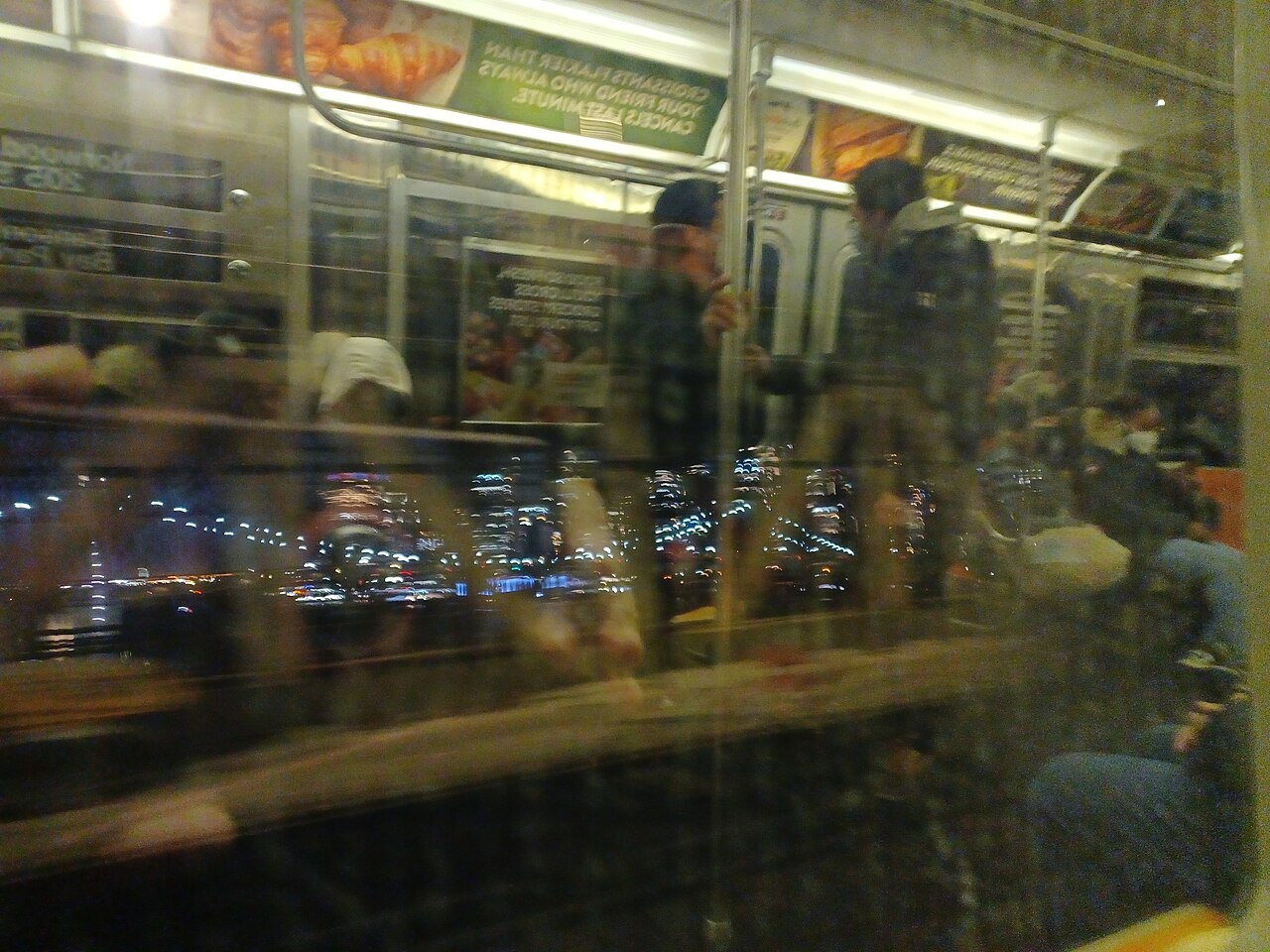
# Late Night Transit in New York City: Your Complete Guide to Getting Home After Midnight
Navigating New York City's transit system after midnight can feel intimidating, but it doesn’t need to be. Late night subway service still runs 24/7 across much of the system, and buses fill in the gaps when trains are less frequent or diverted for maintenance. With a bit of planning, you can get home safely and efficiently at almost any hour.
This guide explains how late night subway and bus service works, how to read service changes, and how to use OMNY and MTA tools to your advantage. You’ll also find safety tips, example late-night trips, and answers to common questions about getting around New York City after midnight.
---
How Late Night Subway Service Works in NYC
The New York City subway operates 24 hours a day, 7 days a week, but service patterns change overnight. After roughly midnight, trains generally come less often and some lines are rerouted for maintenance. Understanding these patterns helps you avoid long waits and surprise detours.
During late night hours, you should expect:
- Longer waits between trains than during the day
- More planned maintenance that can change your route
- Heavier reliance on key transfer hubs like Times Square and Grand Central Terminal
Always check current service alerts before you leave. Overnight work is common and can significantly change your trip.
Key Lines and Night Service Patterns You Should Know
Several core lines, including the Line 1, Line 2, and Line 3, typically provide continuous service overnight and connect many major neighborhoods. While exact schedules can change, there are some consistent late-night patterns to keep in mind:
- Frequency:
- Local vs. express:
- Planned maintenance:
- Trains running on different tracks
- Trains skipping certain stations
- Replacement shuttle buses on some segments
- Transfer hubs:
When possible, plan your route so that your transfer happens at a major hub rather than a small local station. Larger hubs usually have better signage, more frequent trains, and more staff on duty.
Practical Examples of Late Night Trips
Here are a few common late-night scenarios to show how late night subway service might work in practice:
- From Times Square to the Brooklyn Bridge area:
- At night, allow extra time in case your usual express service is running local.
- From Midtown to the One World Observatory area:
- Check alerts for any overnight changes affecting Lower Manhattan service.
- From near Central Park back to outer neighborhoods:
- Expect fewer trains and give yourself a buffer if you’re catching a connection.
Because exact routes and travel times vary by night and by line, always confirm your options on the MTA’s official tools before you go.
---
Best Ways to Navigate Late Night Subway Service
Once you understand that trains are less frequent and more subject to change, you can adjust your habits to make late-night travel smoother.
Essential Tips for Late-Night Subway Travel
Use these strategies whenever you ride the subway after midnight:
- Check service before you swipe:
- Use OMNY for contactless payment:
- Stand where you can see staff:
- Allow extra time for transfers:
If you arrive at a station and see a long wait on the countdown clock, check whether walking to a nearby hub station could give you more options.
Using Key Stations to Your Advantage at Night
Some stations are especially useful for late-night riders because they connect multiple lines and bus routes, and they’re close to major landmarks:
- Times Square:
- Grand Central Terminal:
- Downtown Manhattan stations:
These hubs often have better signage, more lighting, and more staff presence than smaller stations, which can make late-night travel feel more comfortable.
---
Late Night Bus Routes When the Subway Isn’t Ideal
When the subway is diverted for overnight work, or when you’re traveling between neighborhoods without direct train service, buses are a crucial part of late-night transit in New York City.
How Night Buses Complement Late Night Subway Service
Many bus routes run 24/7 or have extended late-night hours, providing coverage in areas where trains are limited or undergoing maintenance. While specific routes and schedules can change, here are some general patterns:
- Night-focused routes:
- Key connections:
- Frequency and timing:
If your subway line is partially suspended overnight, look for posted signs directing you to free shuttle buses or nearby bus routes that cover part of your trip.
Tips for Riding Buses Late at Night
Late-night bus travel can be straightforward if you prepare:
- Know your stops in advance:
- Use OMNY on buses:
- Watch the bus front sign:
- Plan for longer headways:
---
Safety and Security on Late Night Transit
Safety is a key concern for many riders traveling after midnight. The MTA and local authorities maintain several measures to help keep passengers safe on late-night subway and bus services.
How the MTA Supports Safe Late Night Subway Service
While conditions can vary by station and time, you’ll find several consistent safety features across the system:
- MTA Police and other law enforcement:
- Help Points and intercoms:
- CCTV and lighting:
- Public announcements and signage:
If a station feels too empty or isolated, consider waiting closer to the station booth or near other riders in a well-lit area.
Personal Safety Tips for Late-Night Riders
In addition to official security measures, your own habits can make late-night travel more comfortable:
- Stay aware of your surroundings:
- Choose your car and seat wisely:
- Plan your walking route:
- Travel with others when possible:
---
Using MTA Tools to Plan Late Night Trips
Digital tools are especially helpful at night, when late night subway service is more variable and bus headways are longer.
Making the Most of the MTA Trip Planner
The MTA provides trip-planning tools that help you find the best route based on current conditions. While interfaces can change, you can typically:
- Enter start and end points:
- View real-time changes:
- Filter for accessibility:
Take a screenshot or save your itinerary before you lose cell service in tunnels, so you can refer to it during your trip.
Additional Planning Tips and Resources
Beyond the main Trip Planner, consider these habits:
- Check alerts directly:
- Monitor fares information:
- Use station and line pages:
- Explore broader guides:
---
Paying for Late Night Transit with OMNY
Whether you ride the subway or bus, late at night or midday, fares work the same way across the system.
OMNY Basics for Late Night Riders
- Base fare:
- How to pay:
- MetroCard phase-out:
Make sure you tap the same device every time to keep your rides together for any fare benefits that may apply.
---
FAQ: Late Night Subway Service in New York City
What are the most reliable late-night subway lines in NYC?
Lines such as the Line 1, Line 2, and Line 3 typically provide overnight service and connect many central areas of the city. However, reliability can vary night to night due to maintenance. Always confirm current conditions on the MTA’s official alerts page before you travel.
How do I pay for late-night subway and bus rides?
You pay the same way you do during the day: with OMNY. Tap your contactless card, phone, or wearable on the OMNY reader at the subway turnstile or on the bus. The base fare is $3.00. For the latest details on pricing and any available discounts, visit the official fares page.
Is the NYC subway safe at night?
Many people use the subway overnight, and the system has safety measures such as police presence, cameras, lighting, and Help Points. That said, conditions can vary by station and time. Stay aware of your surroundings, keep valuables secure, and consider waiting near the conductor’s car or in more populated areas of the platform.
Can I transfer between subway and bus at night with OMNY?
Yes. With OMNY, you can transfer between subways and buses within the allowed transfer window, just as you would during the day. Tap the same card or device each time. For current rules on transfers and any caps or discounts, check the official fares information.
How often do trains run during late night hours?
Overnight, many lines run less frequently, often in the 20–30 minute range, though exact times vary by route and night. Some lines may have even longer gaps during maintenance. Check real-time information on official MTA tools and allow extra time for your trip.
What should I do if my usual line is closed for overnight work?
If your regular route is affected by planned maintenance, the MTA may provide alternate routes or shuttle buses. Check alerts and trip-planning tools for suggested alternatives. In many cases, you can reroute through major hubs like Times Square or Grand Central Terminal or use a combination of subway and bus.
---
Conclusion: Making the Most of Late Night Subway Service
With a bit of planning, late night subway service in New York City can be a reliable way to get home after midnight. Trains run 24/7 on many lines, buses fill in the gaps, and OMNY makes paying your $3.00 fare simple and contactless. The key is to check alerts, use official trip-planning tools, and allow extra time for less frequent trains and possible maintenance.
Whether you’re leaving a show near Times Square, finishing a late shift by Central Park, or returning from a night view at One World Observatory, NYC’s transit network can get you where you need to go. Stay informed, stay aware, and use the system’s hubs and tools to your advantage. For more help planning your trips and exploring the city, browse our other transit guide resources and travel the city with confidence—day or night.