Exploring New York City's Top Neighborhoods by Transit
# Discovering Brooklyn Heights: A Transit-Friendly Exploration
Exploring New York City's vibrant neighborhoods is a must for locals and visitors alike, and the MTA makes it easy. Whether you're stepping out in SoHo or strolling through the historic streets of Harlem, NYC's transit system is your best friend. With a base fare of $3.00 and convenient payment through OMNY, navigating the city's top spots has never been easier. This guide focuses on discovering Brooklyn Heights, then branches out to other classic neighborhoods you can reach on the subway, with insider tips and essential transit insights.
Discovering Brooklyn Heights
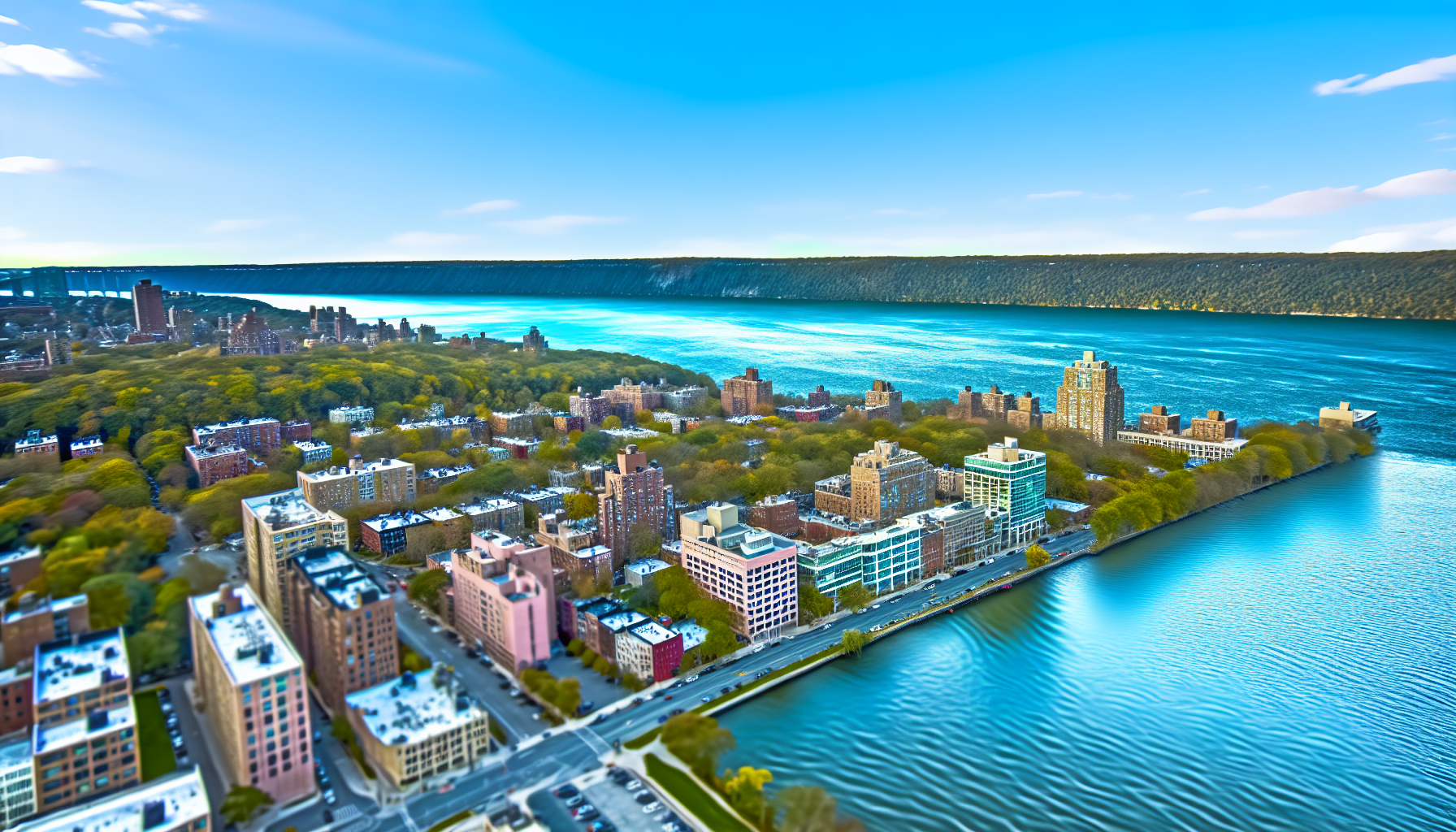
Brooklyn Heights is a charming waterfront neighborhood known for its tree-lined streets, historic brownstones, and sweeping views of Lower Manhattan. It sits just across the East River from the Financial District, making it an easy escape from the bustle of Downtown. When visiting, the Brooklyn Bridge–City Hall station on the 2, 3, 4, 5, J, and Z lines is a key gateway on the Manhattan side, where you can walk across the Brooklyn Bridge into Brooklyn Heights and the nearby waterfront.
Once you reach the Brooklyn side of the bridge, you can follow the paths that lead toward the residential streets and the famous promenade. The area feels distinctly different from Midtown’s skyscrapers, with low-rise buildings, quiet blocks, and a neighborhood pace. It’s a great first stop if you want to see a historic New York neighborhood that’s still very residential but easy to reach by subway.
Plan Brooklyn Heights as part of a loop with the Brooklyn Bridge and Lower Manhattan. Walk over from Manhattan, explore the neighborhood, then return by subway.
Scenic Views and Historic Sites
- Scenic Views: Walk along the Brooklyn Heights Promenade for breathtaking views of the Manhattan skyline, the Statue of Liberty in the distance, and the Brooklyn Bridge. This elevated walkway sits above the Brooklyn-Queens Expressway, giving you unobstructed panoramas perfect for photography or a relaxing stroll. Benches line the promenade, so you can sit and watch ferries, helicopters, and harbor traffic glide by.
- Historic Streets: Wander through streets like Montague Street and the surrounding blocks to see classic brownstones and historic row houses. Brooklyn Heights was one of the first neighborhoods in New York City to receive historic district status, and many buildings date back to the 19th century. The low-rise streets and leafy trees give the area a distinctly village-like feel.
- Plymouth Church: Visit Plymouth Church, a landmark known for its role in the abolitionist movement. The church has long been associated with anti-slavery activism and notable historical figures. When available, guided tours and public programs offer more context on the building’s history and the neighborhood’s role in 19th-century New York.
Visit the promenade close to sunset for the most picturesque views of the skyline as lights come on across Lower Manhattan and the bridges.
Dining and Entertainment in Brooklyn Heights
Brooklyn Heights has a mix of neighborhood staples, casual cafés, and destination spots that draw visitors from around the city.
- Dining Options: Enjoy a meal at the iconic Grimaldi’s Pizzeria near the Brooklyn Bridge area, known for its coal-fired pizzas. It’s a popular stop after walking the bridge, so try to arrive early or at off-peak hours to avoid the longest waits. The surrounding streets also offer bakeries, coffee shops, and casual restaurants where you can refuel between sightseeing stops.
- Montague Street: This main commercial strip in Brooklyn Heights offers a range of eateries and shops. You’ll find everything from quick bites to sit-down dining, plus grocery stores and pharmacies if you need essentials during your visit.
- Brooklyn Historical Society: For a cultural experience, check out the Brooklyn Historical Society (now part of the Brooklyn Public Library system). This institution focuses on Brooklyn’s history and diverse communities, with exhibitions, archives, and public events. It’s a good stop if you want to understand how Brooklyn developed into the borough it is today.
- Nearby Waterfront Parks: Just a short walk downhill from Brooklyn Heights, you can reach the Brooklyn Bridge Park waterfront area. This park stretches along the East River and offers green spaces, sports courts, and more city views, making it easy to combine neighborhood strolling with park time.
Many Brooklyn Heights spots are popular on weekends. If you prefer quieter streets and shorter waits, visit on a weekday morning or early afternoon.
Getting to Brooklyn Heights by Subway
Reaching Brooklyn Heights is straightforward using the MTA subway system. You can approach from Manhattan or from elsewhere in Brooklyn, depending on your starting point.
- Key Subway Lines Nearby:
- Additional nearby Brooklyn stations (not listed here) also serve the area; check the MTA map for the closest stop to your specific destination.
- From Times Square: Travel time is approximately 25 minutes from Times Square on the 2 or 3 lines toward Brooklyn and Downtown. Exact travel times can vary with service and time of day, so always allow extra time.
- Transfers and Downtown Access: You can transfer at Fulton Street in Lower Manhattan to reach other lines and explore more of Downtown, including the One World Observatory area and the Financial District. From there, you can either walk to the Brooklyn Bridge or connect to additional lines that serve Brooklyn.
Before you go, check current service alerts for any planned work that might affect the 2, 3, 4, 5, J, or Z lines.
---
How to Get from Brooklyn Heights to Other NYC Neighborhoods
Once you’ve finished discovering Brooklyn Heights, you can use the subway to connect easily to other iconic neighborhoods. With a $3.00 base fare paid with OMNY, you can tap in at any station and explore more of the city in a single day.
Brooklyn Heights to SoHo
From the Brooklyn Bridge area, you can head back into Manhattan and reach SoHo with a quick ride and short walk. Take a 4, 5, or 6 train toward Uptown and connect to Spring Street on the 6 line to start your SoHo visit.
If you’re planning multiple neighborhood stops in one day, group them by proximity (Brooklyn Heights + Lower Manhattan + SoHo) to cut down on backtracking.
---
Exploring SoHo's Art Scene by Subway
SoHo, short for “South of Houston Street,” is famed for its cast-iron buildings, trendy boutiques, and dense cluster of galleries. The Spring Street station on the 6 line is the perfect starting point if you’re arriving from Midtown, Uptown, or the Brooklyn Bridge area.
Shopping and Art in SoHo
- Shopping: Browse high-end boutiques and flagship stores along Broadway, Prince Street, and nearby blocks. You’ll find a mix of international brands, designer labels, and smaller concept shops. Weekends can be crowded, so consider visiting on weekday mornings for a more relaxed experience.
- Art Galleries: Discover contemporary art at the many galleries scattered throughout the neighborhood. SoHo has long been a hub for artists and creative spaces, and while many galleries have moved to other areas over time, you can still find a strong art presence. Many galleries offer free admission, making it easy to pop in and out as you walk the streets.
- Architecture: Look up as you walk — SoHo’s cast-iron facades and large loft windows are part of what makes the area so distinctive. Many buildings once housed factories and warehouses and now contain lofts, offices, and retail spaces.
Cafés and Dining in SoHo
- Cafés and Bistros: Relax at chic cafés like Balthazar, known for its French-inspired menu and classic brasserie atmosphere. It’s a popular spot for brunch, lunch, or a pre-shopping coffee. Reservations are recommended at busy times.
- Quick Bites: Scattered throughout SoHo, you’ll find bakeries, coffee chains, and grab-and-go spots. These are handy if you’re on a tight schedule and want to maximize time in galleries and shops.
Many SoHo restaurants fill up quickly in the evening. If you want to avoid long waits, aim for an earlier dinner or a late lunch.
Getting to SoHo by Subway
- Subway Lines:
- Additional nearby stations on other lines serve the broader SoHo area; check the MTA map for alternatives.
- Travel Time: It takes roughly 15 minutes from Grand Central Terminal on the 6 line, depending on time of day and service conditions.
- Connections: From SoHo, you have quick access to NoLIta and Chinatown on foot. You can also head back toward Downtown to connect with lines serving Brooklyn Heights or Uptown neighborhoods.
---
Immersing in Harlem's Culture
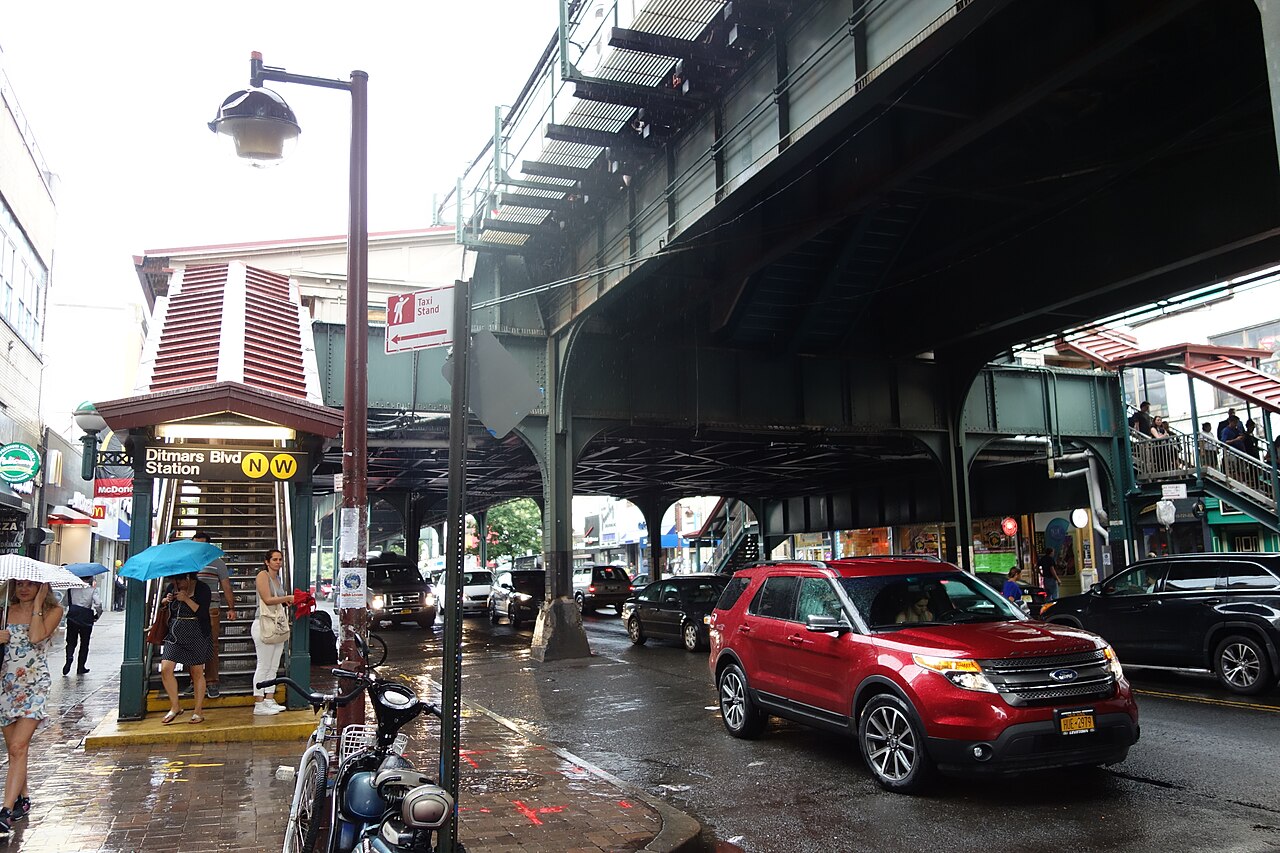
Harlem is a cultural hub renowned for its music, history, and community institutions. The 125th Street station on the A, B, C, and D lines is a major entry point, especially if you’re coming from Midtown or Brooklyn.
Music and History in Harlem
- Apollo Theater: Catch a live show or simply admire the marquee of the legendary Apollo Theater, a cornerstone of Harlem’s cultural identity. The venue is known for its historic Amateur Night and for hosting many influential performers over the decades.
- Schomburg Center: Visit the Schomburg Center for Research in Black Culture, a leading institution dedicated to the global Black experience. The center offers exhibitions, research collections, and public programs. It’s a powerful stop if you’re interested in history, literature, and cultural studies.
- Neighborhood Walks: Stroll along 125th Street and nearby blocks to see murals, local shops, and historic churches. Harlem’s streetscape reflects its long-standing role in New York’s cultural life.
Culinary Delights in Harlem
- Soul Food: Taste Harlem cuisine at Sylvia’s Restaurant, famous for its soul food dishes. Classics like fried chicken, collard greens, and chicken and waffles are staples on the menu.
- Local Spots: Beyond the most famous names, Harlem has a wide range of cafés, bakeries, and casual restaurants. Exploring side streets can lead you to smaller neighborhood favorites.
Getting to Harlem by Subway
- Subway Lines: A, B, C, D to 125th Street.
- Travel Time: Travel is about 20 minutes from Central Park on the B or C lines, depending on where you enter the park area and current service.
- Connections: From Harlem, you have direct access to the A line for further uptown travel, and easy transfers to reach Midtown and Downtown. You can plan a day that starts in Harlem and ends in Brooklyn Heights or the Upper East Side using these connections.
Check service alerts before heading to Harlem in the evening if you’re catching a show, so you can allow extra time for any planned service changes.
---
Strolling Through the West Village
The West Village is known for its charming streets, historic townhouses, and bohemian legacy. The Christopher Street–Sheridan Square station on the 1 line is a convenient stop that puts you in the heart of the neighborhood.
Historic Streets and Nightlife
- Historic Streets: Wander through the West Village’s winding streets, which don’t follow the typical Manhattan grid. You’ll see cobblestone blocks, classic brick townhouses, and small neighborhood parks. The area’s irregular street layout makes it fun to explore on foot.
- Stonewall Inn: Enjoy a drink at the Stonewall Inn, a historic LGBTQ+ landmark that played a pivotal role in the modern gay rights movement. The surrounding streets and nearby park often host events, especially during Pride-related celebrations.
- Nightlife: The West Village offers an array of bars, small music venues, and late-night cafés. It’s a good choice if you want a more intimate nightlife experience than you’d find in larger entertainment districts.
Shopping and Dining in the West Village
- Boutiques: Explore unique shops and bookstores along Bleecker Street and nearby blocks. Many independent boutiques, record stores, and specialty shops are tucked into side streets, rewarding those who wander a bit off the main routes.
- Dining: The neighborhood has everything from casual pizza spots to acclaimed restaurants. Reservations are often recommended for popular dinner spots, especially on weekends.
Getting to the West Village by Subway
- Subway Lines: 1 to Christopher Street–Sheridan Square.
- Travel Time: It’s approximately 10 minutes from the Empire State Building area on the 1 line, depending on your exact starting station and time of day.
- Transfers: Once in the West Village, you can walk to nearby stations on other lines, or use bus routes to reach adjacent neighborhoods like Chelsea, SoHo, or the East Village.
Combine a West Village visit with a walk along the Hudson River waterfront for sunset, then head back to Brooklyn Heights or Midtown by subway.
---
Visiting Upper East Side Museums by Subway
The Upper East Side is home to some of New York City’s most prestigious museums and is easy to reach by subway. The 86th Street station on the 4, 5, and 6 lines is a key access point for the neighborhood and nearby Central Park.
Museums and Parks on the Upper East Side
- Metropolitan Museum of Art: Spend a day at the Metropolitan Museum of Art, one of the world’s largest and most comprehensive art museums. Its collections span thousands of years and many cultures, offering something for almost every interest.
- Guggenheim Museum: Marvel at the Guggenheim Museum, known for its distinctive spiral architecture and focus on modern and contemporary art. The building itself is an architectural landmark.
- Central Park: Enjoy a walk, bike ride, or picnic in Central Park, which borders the Upper East Side. The park offers lawns, wooded areas, playgrounds, and iconic sights, making it a perfect complement to a museum day.
Getting to the Upper East Side by Subway
- Subway Lines: 4, 5, 6 to 86th Street.
- Travel Time: Travel is around 15 minutes from One World Observatory on the 4 line, depending on time of day and exact routing.
- Connections: From the Upper East Side, you can easily access Central Park, head across town by bus, or connect back to Midtown and Downtown by subway. It’s straightforward to plan a route that includes the Upper East Side, Midtown landmarks, and an evening visit to Brooklyn Heights or the West Village.
Museums can be busiest on weekends and holidays. If possible, visit on weekday mornings for shorter lines and quieter galleries.
---
Practical Tips for NYC Transit (Including Brooklyn Heights)
Navigating New York City by subway is manageable once you understand a few basics. These tips apply whether you’re discovering Brooklyn Heights or hopping between multiple neighborhoods in a day.
Efficient Travel with OMNY
- Base Fare: The standard subway fare is $3.00 per ride.
- OMNY Payment: Use OMNY, the MTA’s contactless payment system, to tap in with a bank card, smartphone, or wearable. OMNY has replaced the MetroCard as of January 2026.
- Peak Hours: Avoid traveling during peak hours (roughly 7–9 AM and 5–7 PM) for a more comfortable ride, especially if you’re carrying bags or traveling with a group.
- Service Alerts: Always check service alerts before starting your journey. Planned maintenance, weekend changes, or unplanned disruptions can affect travel times and routes.
- Accessibility: Look for the elevator symbol on station maps and signage to identify accessible stations. If accessibility is a priority, plan your route using stations that are clearly marked as accessible on official MTA resources.
- Transfer Points: Use major hubs like Times Square and Fulton Street for easy transfers between lines when planning trips between Brooklyn Heights, Midtown, and Uptown.
For detailed maps, real-time arrival information, and trip planning tools, use the official MTA app or website before you head out.
---
FAQ: Discovering Brooklyn Heights and Getting Around by Subway
How do I get to Brooklyn Heights from Midtown Manhattan?From Midtown, you can take the 2 or 3 line from stations near Times Square toward Downtown Brooklyn and Lower Manhattan. Get off near the Brooklyn Bridge–City Hall area, then walk across the Brooklyn Bridge and into Brooklyn Heights. Check the MTA map for the exact station closest to your starting point.
Can I visit Brooklyn Heights, SoHo, and the West Village in one day?Yes, it’s possible to see all three in one day using the subway. Many travelers start in Brooklyn Heights, walk the Brooklyn Bridge, then use Downtown connections to reach SoHo and the West Village. Plan your route using major transfer points and allow extra time for walking and exploring.
What is the best way to pay for transit in NYC now?The best way to pay is via OMNY, the MTA’s contactless payment system. You tap once at the turnstile with a compatible card or device, and the system deducts the $3.00 base fare. OMNY has replaced the MetroCard as of January 2026.
How do I check for subway delays or service changes before visiting Brooklyn Heights?Visit the MTA’s service alerts page or use the official app for real-time information on delays, planned work, and reroutes. This is especially important on evenings and weekends, when more maintenance work tends to occur.
---
Conclusion: Discovering Brooklyn Heights with NYC Transit
Discovering Brooklyn Heights is easy and rewarding when you use New York City’s subway system as your backbone. With a $3.00 base fare and OMNY payment, you can tap into a network that connects Brooklyn Heights to SoHo, Harlem, the West Village, the Upper East Side, and beyond. Whether you’re standing on the Brooklyn Heights Promenade at sunset, exploring galleries in SoHo, or walking through Central Park after a museum visit, the MTA makes it possible to link these experiences in a single day. For more transit tips, neighborhood ideas, and planning help, explore our complete NYC resources, including our fares page, current alerts, and neighborhood guide.