Complete Accessibility Guide to New York City Public Transit
# Complete Accessibility Guide to New York City Public Transit
Navigating New York City's sprawling public transit system can be daunting, especially for those with accessibility needs. The MTA operates one of the world’s largest subway systems, and understanding the accessibility features is crucial for a smooth journey. With a shift to OMNY for payments, a base fare of $3.00, and ongoing station upgrades, this accessibility guide will help you explore NYC’s public transport confidently. Whether you are visiting iconic landmarks like the Statue of Liberty or commuting to work, this comprehensive guide to MTA accessibility features will help make your journey as smooth and predictable as possible.
Understanding MTA Accessibility Features
The MTA is committed to making the New York City transit system accessible to as many riders as possible. Whether you’re using the subway, buses, or commuter rails, there are specific features and policies designed to support riders with mobility, visual, hearing, or cognitive disabilities.
Before you travel, check the MTA’s official accessibility resources and service alerts so you know which features are available on your route that day.
Subway Accessibility
Navigating the subway with mobility or sensory needs is increasingly possible, thanks to the MTA's efforts to enhance accessibility across the system.
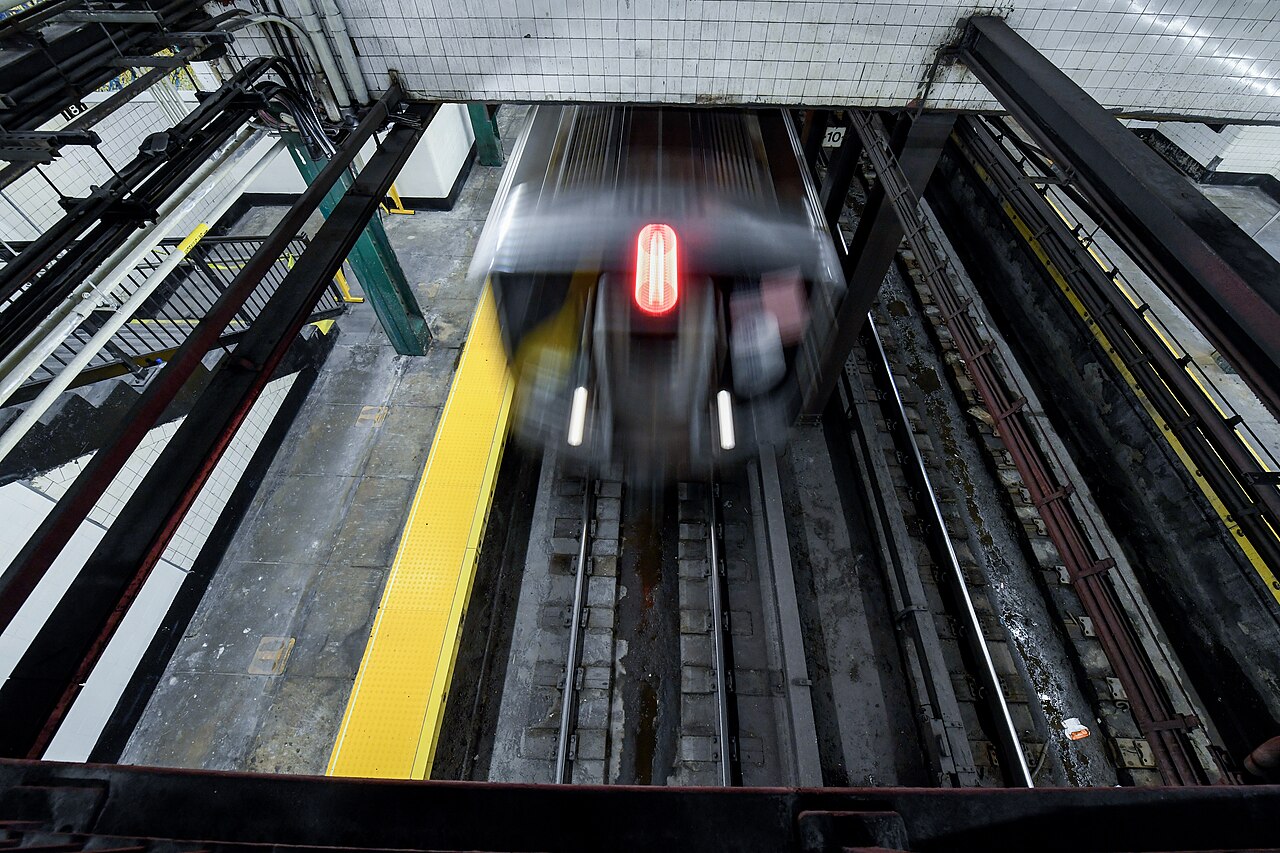
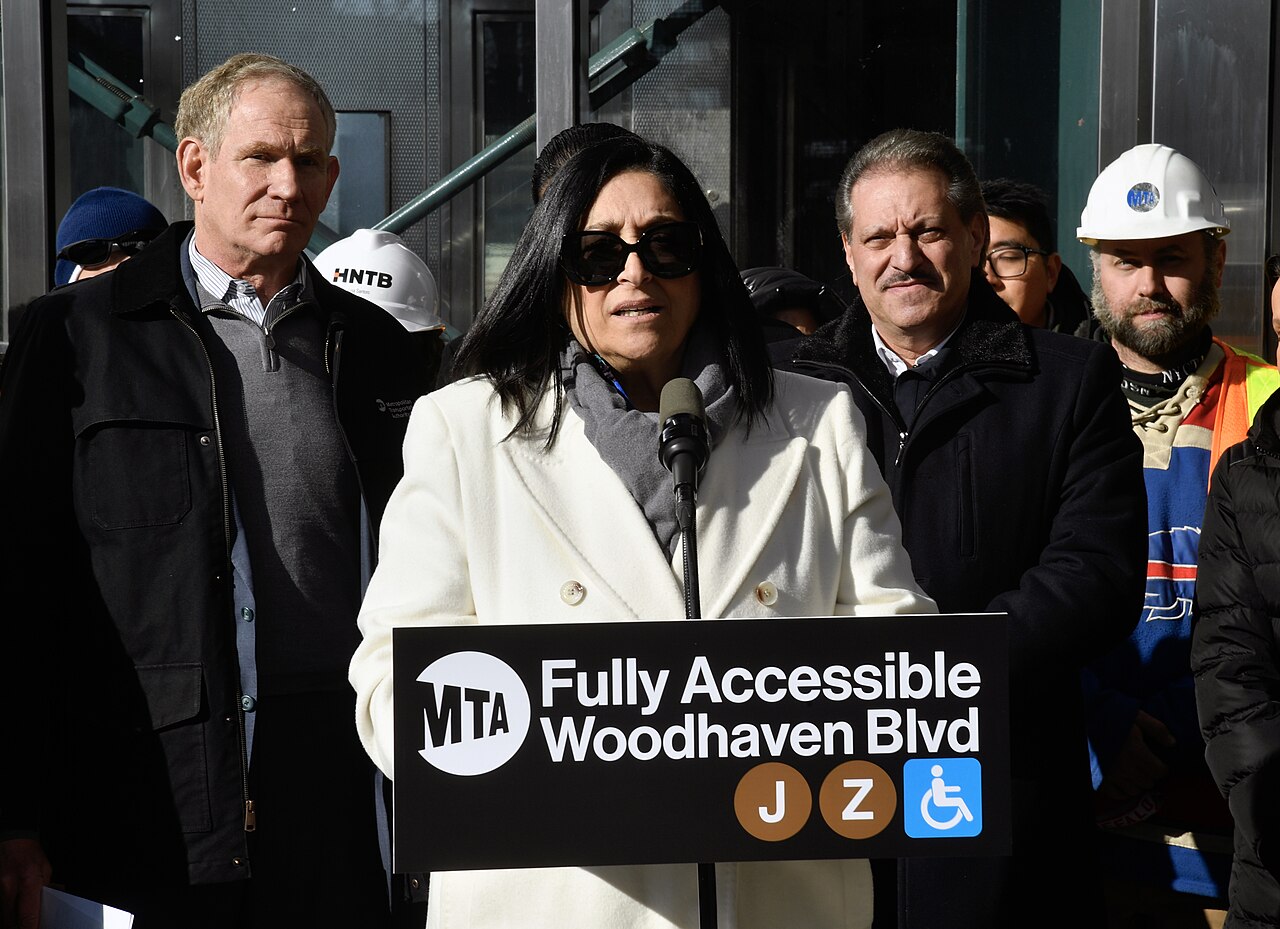
- Elevators and ramps: Many key stations, such as Times Square and Grand Central Terminal, are equipped with elevators and ramps. These features are essential for wheelchair users, riders with walkers, or travelers with strollers and luggage. Elevators typically connect the street, mezzanine, and platform levels, allowing step-free access from sidewalk to train.
- Audible announcements: Trains and stations feature audible announcements that identify approaching trains, current stops, and upcoming stations. These announcements are critical for visually impaired riders and anyone unfamiliar with the system. They also provide information about reroutes or skipped stops when service changes occur.
- Visual information displays: Many stations and train cars include electronic signs that show the next stops, final destination, and service changes. These help riders who are deaf or hard of hearing follow along with their trip.
- Braille and tactile signs: Stations, including those near Central Park, incorporate Braille and tactile signs at stairways, platforms, and elevators. Tactile warning strips at platform edges help visually impaired riders detect the boundary between safe areas and the track bed.
- Wide turnstiles and gates: Accessible stations usually have wider entry gates or AutoGates that can accommodate wheelchairs, mobility scooters, and other devices. These are often located near station booths or elevator landings.
When using elevators, allow extra time. Check service alerts for any elevator outages at your origin, transfer, and destination stations.
Bus Accessibility
The MTA bus system is designed with accessibility in mind, offering several features that support riders with diverse needs. For many, buses are the most reliable fully accessible option because all regular MTA buses are designed to be wheelchair accessible.
- Kneeling buses and ramps: Every MTA local and Select Bus Service route uses buses with a ramp or lift. Drivers can “kneel” the bus to lower the front door and then deploy a ramp, making boarding easier for wheelchair users, people with walkers, and anyone who has difficulty with steps.
- Priority seating and securement areas: Buses have clearly marked priority seating near the front for seniors and riders with disabilities. There are also designated spaces with securement straps for wheelchairs and mobility devices to ensure a safe ride.
- Audible and visual stop announcements: Onboard systems announce major stops and transfer points and display them on digital screens. This helps riders who are blind, have low vision, or are hard of hearing know when to request a stop.
- Real-time bus tracking: Use the MTA’s Bus Time feature through official tools or third-party apps to track buses in real time. This can reduce waiting in bad weather or standing for long periods at stops, which is especially important for riders with limited stamina or chronic pain.
If you need extra time to board or exit, tell the driver when the doors open. Drivers are required to deploy the ramp when requested.
Commuter Rail Accessibility
For longer trips, the MTA’s commuter rails—the Long Island Rail Road and Metro-North Railroad—include accessibility features that make regional travel more manageable.
- Accessible platforms and cars: Many stations on both railroads have high-level platforms that allow level boarding to most train doors. Where platforms are lower, accessible boarding areas or bridge plates may be available. Trains typically include designated accessible cars with priority seating and space for wheelchairs.
- Assistance services at major hubs: Major hubs like Grand Central Terminal and Penn Station have staff who can assist with boarding, exiting, and finding elevators. Look for customer service offices or information booths if you need help.
- Onboard announcements and signage: Commuter rail trains provide audible announcements for upcoming stops and connections, as well as visual displays in many cars. This helps riders follow their route and prepare to exit at the right station.
By understanding these MTA accessibility features, you can better plan your trips and choose the mode of transit that best matches your needs.
Planning Your Accessible Route in NYC
Efficiently planning your route with accessibility in mind can save time, reduce stress, and help you avoid inaccessible stations. A few minutes of preparation can make a big difference, especially if you rely on elevators or step-free access.
Using Digital Tools for Accessible Navigation
Digital tools are invaluable for planning accessible routes in NYC, particularly when you need to avoid stairs or stay updated on elevator outages.
- MTA accessibility resources: The MTA’s official accessibility information includes maps highlighting accessible subway stations and details on accessible bus and rail services. You can also find information about elevator and escalator status and suggested alternatives when a key elevator is out of service.
- Trip-planning apps: Apps like Google Maps, Transit, and other journey planners often include options to “avoid stairs” or show wheelchair-accessible routes. When you enter your starting point and destination, look for route options that specify “wheelchair accessible” or “step-free.”
- Real-time alerts: Always cross-check trip-planner results with current service alerts. An accessible station on the map may not be fully accessible that day if an elevator is temporarily out of service.
Save frequently used accessible stations, like Times Square or Grand Central Terminal, as favorites in your transit app for quick reference.
Major Accessible Transfer Points
Knowing where major accessible transfer points are located can simplify complex trips and reduce the number of staircases you encounter.
- Times Square–42 St: This major hub connects multiple lines, including the 1, 2, 3, N, Q, R, and S Shuttle. Elevators and clear signage help riders move between lines and reach street level near theaters, offices, and attractions.
- Atlantic Av–Barclays Center: This busy Brooklyn complex connects the B, D, N, Q, R, 2, 3, 4, and 5 lines. Elevators and wide passageways make it a useful transfer point for reaching different parts of Brooklyn and Manhattan.
- Grand Central and nearby stations: Grand Central Terminal connects commuter rail, subways, and nearby bus routes. Elevators and ramps inside the terminal support step-free transfers between rail and subway lines, and the station area has multiple accessible street exits.
When planning a route, try to anchor your transfers at these larger hubs, which tend to have more robust accessibility features and staff available to assist.
Scheduling and Timing for Accessible Travel
Timing is everything when it comes to smooth travel, especially if you use mobility aids or need extra time to board.
- Peak vs. off-peak: Travel during off-peak hours—typically midday, late evenings, and weekends—to avoid the most crowded trains and buses. Less crowding means more space for wheelchairs, walkers, and service animals, and less pressure when boarding or exiting.
- Extra time for transfers: Build in additional time for elevator use, especially at large complexes where elevators may be busy or located at the far end of platforms.
- Check for planned work: Before you leave, review alerts for planned maintenance that may affect elevators, escalators, or station access. Service changes are common, and accessible alternatives are sometimes provided.
If your trip depends on a specific elevator, have a backup nearby station in mind in case that elevator is unexpectedly out of service.
Payment Methods and Accessibility
Understanding payment options is essential for a hassle-free journey, particularly as the system transitions away from MetroCard to OMNY.
OMNY System and Accessible Fare Payment
The OMNY system modernizes fare payments across NYC transit and is designed to be straightforward for most riders.
- Contactless payments: OMNY readers are installed at subway turnstiles and on buses. You can tap a contactless bank card, smartphone, or wearable device to pay the standard base fare of $3.00. This reduces the need to handle cash or use vending machines.
- OMNY cards: For riders who prefer a reloadable transit card, OMNY cards are available at retail locations and vending machines in many stations. These cards can be tapped at OMNY readers just like a contactless bank card.
- Reduced fares: Eligible riders, including many seniors and people with qualifying disabilities, can apply for reduced fares. Once enrolled, the reduced fare is applied through your eligible OMNY payment method or Reduced-Fare MetroCard during the transition period. This makes frequent travel more affordable.
- Fare capping and budgeting: OMNY supports fare capping on many services, which limits how much you pay over a set period if you tap the same device. This can help riders who travel often but cannot purchase long-term passes upfront.
Register your OMNY card or device on the official OMNY website so you can review trip history and manage payment methods in one place.
MetroCard Transition and Support
The MetroCard is being phased out as OMNY expands, but some riders still use it during the transition.
- Phase-out timeline: MetroCard is scheduled to be fully phased out by January 2026. Until then, many stations still support MetroCard swipes at turnstiles and vending machines, especially for riders who have not yet switched to OMNY.
- Assistance at stations: MTA staff at major hubs like Times Square and Grand Central Terminal can help you understand OMNY readers, purchase or refill cards, and troubleshoot issues. Look for station agents near accessible gates or booths.
- Transition for reduced-fare riders: If you currently use a Reduced-Fare MetroCard, check official MTA information for how to transition to using OMNY with your discount. During the overlap period, both systems may be available, but policies can change, so always verify on the fares page.
Key Accessible Stations and Attractions in NYC
New York City is home to many iconic landmarks, and reaching them is easier when you know which nearby stations offer accessible features. Always confirm current accessibility details before you travel, as elevator availability can change.
Central Park and Nearby Attractions
- Station: 59 St–Columbus Circle
- Features: Elevators, tactile signage, and wide passageways provide step-free access between street and platforms. From here, you can reach the southwest corner of Central Park and nearby cultural sites.
The area around Central Park includes museums, performance venues, and accessible paths into the park itself. Many visitors use this station as a gateway to the Central Park area because of its multiple lines and accessibility features.
Statue of Liberty and Ellis Island
- Station: South Ferry
- Accessibility: Elevators provide access between street level and the subway platform. From the station, you can reach the nearby ferry terminal that offers service to the Statue of Liberty and Ellis Island.
The approach to the ferry area includes pedestrian paths and facilities that support visitors with mobility needs. Always confirm ferry accessibility through official sources, as policies and boarding procedures may vary.
Empire State Building
- Station: 34 St–Herald Square
- Features: Multiple entrances and elevators help riders reach street level near Midtown attractions, including the Empire State Building.
From this station, you can follow accessible sidewalks to the building’s entrance. The Empire State Building itself offers elevators and other accessibility features; check its official site for the most current details.
One World Observatory and Lower Manhattan
- Station: World Trade Center
- Accessibility: Elevators connect platforms with concourses and street level. The area also links to PATH services and other Lower Manhattan transit, providing multiple accessible paths to One World Observatory and nearby memorials.
The surrounding neighborhood features modern sidewalks, ramps, and building access points, making it a strong base for exploring Lower Manhattan if you rely on step-free routes.
For other major attractions like the Brooklyn Bridge, Metropolitan Museum of Art, or Grand Central Terminal, use an NYC-specific guide and confirm which nearby stations currently offer elevator access.
Practical Tips for Accessible Travel on the MTA
Here are additional strategies to help ensure a smoother, safer trip on New York City’s transit system.
- Check elevators before you leave: Always verify the operational status of elevators using MTA service alerts. Check both your starting station and any transfers or destination stations.
- Plan transfers carefully: Minimize transfers when possible, especially during peak hours. A single direct line, even if slightly longer, can be easier than multiple transfers with elevators and crowds.
- Use station and bus staff: Do not hesitate to ask MTA staff for help with directions, boarding, or elevator locations. Staff are trained to assist riders with accessibility needs and can often suggest alternative routes if something is out of service.
- Avoid rush hours when possible: Traveling outside the busiest times can make a big difference in comfort and safety. You will have more room to maneuver mobility devices and less pressure when entering or exiting vehicles.
- Carry a backup map or screenshot: Keep a physical map or saved screenshots of your route in case your phone battery dies or you lose signal. Mark accessible stations and key transfer points in advance.
Build a short list of “go-to” accessible stations near places you visit often—home, work, school, or medical offices—so you always know your best options if service changes.
FAQ: Common Questions About MTA Accessibility Features
Are all MTA buses wheelchair accessible?
Yes. All standard MTA buses are equipped with either a ramp or a lift to accommodate wheelchairs and other mobility devices. Buses also have designated securement areas and priority seating for people with disabilities and seniors.
How can I find out if a station's elevator is working?
You can check the MTA’s service alerts webpage or use official apps and tools that show real-time elevator and escalator status. Always check close to your departure time, as elevator status can change during the day.
Is there a discount for disabled riders on the MTA?
Yes. The MTA offers reduced fares for eligible riders, including many people with disabilities and seniors. You must apply through the official process to receive a Reduced-Fare MetroCard or access reduced fares through OMNY, depending on current program details.
Can I take a service animal on the subway and buses?
Service animals are allowed on all MTA services, including subways, buses, and commuter rail. They must be harnessed or leashed and under the control of their handler at all times, in accordance with applicable laws and MTA policies.
Which MTA payment method is best for riders with disabilities?
Many riders with disabilities find OMNY convenient because it supports quick contactless taps and can be used with phones or wearables. However, the best option depends on your eligibility for reduced fares, how often you travel, and whether you prefer a physical card or digital device. Review current options on official MTA resources before choosing.
Conclusion: Making the Most of MTA Accessibility Features
Navigating New York City’s public transit system with accessibility needs is entirely feasible with preparation and awareness of MTA accessibility features. From elevators, ramps, and accessible buses to OMNY payment and reduced fares, the system offers many tools to support riders with disabilities. To enhance your travel experience, always keep an eye on service alerts, plan your route with accessible stations in mind, and use digital tools to stay informed in real time. Whether you are visiting world-famous attractions or commuting every day, NYC’s transit network can be a practical, accessible way to move around the city when you plan ahead and know your options.